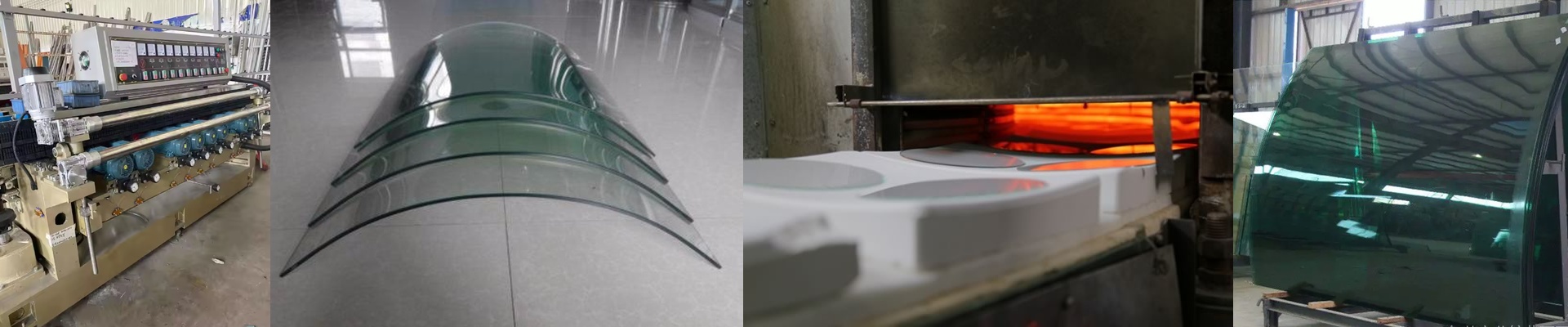
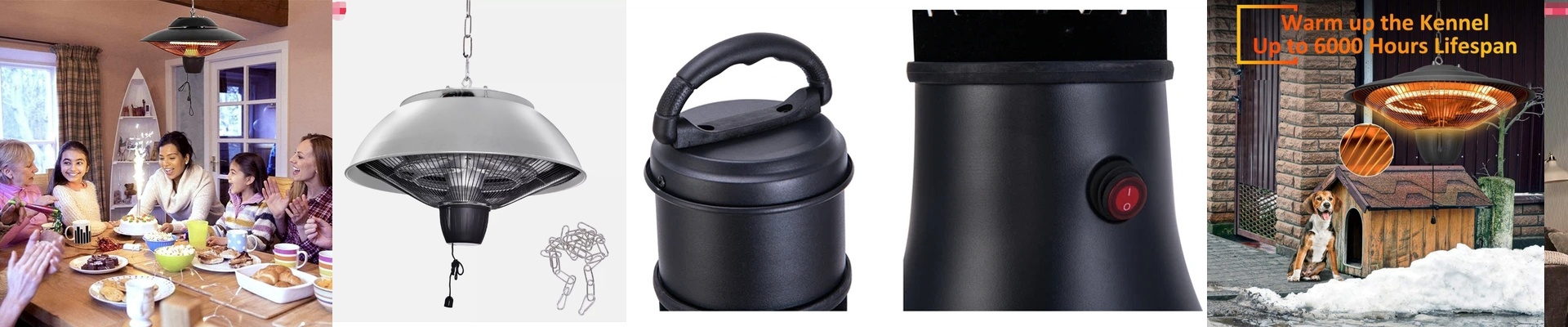
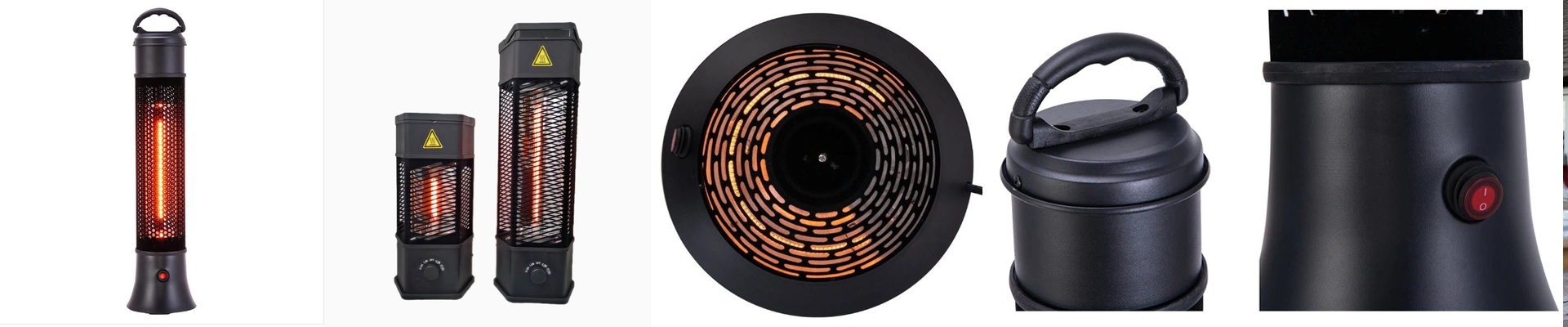
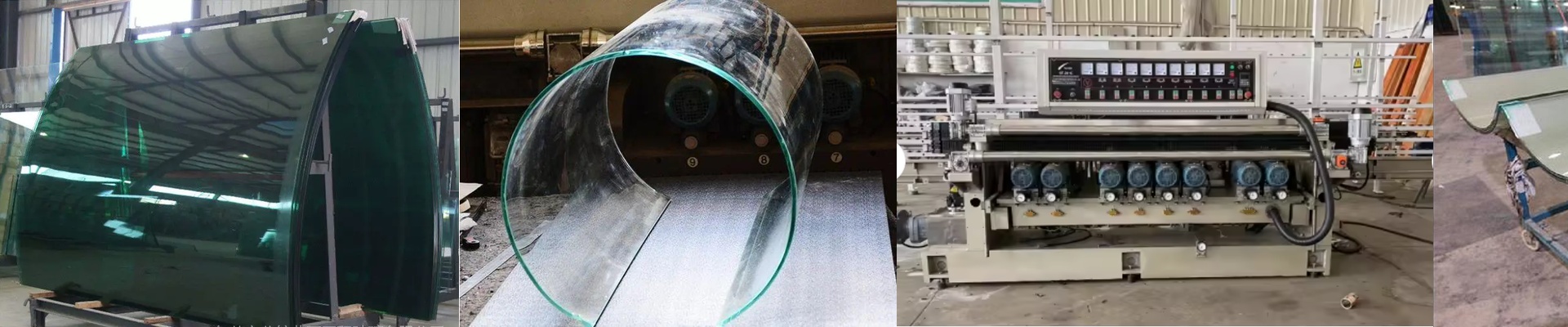

On the glass line, heat is more than temperature. It’s timing, uniformity, and repeatability. Get the heating profile off, and you’ll see it fast—optical distortion in bent windshields, roller wave in tempered glass, weak edges in laminated parts. That’s why we built our 230V infrared quartz lamps to give process engineers control where it matters most: inside the thermal window that decides yield. What matters on the machine is matching the lamp to the job. These quartz infrared emitters put heat where you want it—direct radiation, fast response, tight control. You drive energy into the glass surface efficiently instead of wasting it on air and fixtures. The 230V supply drops into standard industrial circuits, and the compact footprint lets you pack in dense arrays for even irradiance. In practice, that means less lag between setpoint and work, and a more stable heat profile across the width. Here’s why it plays out the way it does, process by process. Tempering needs a soak that hits temperature quickly and evenly. If the heat isn’t uniform, you’re buying thermal stress—and breakage shows up right at quench. Bending is all about controllable, localized heat. With these lamps, you can manage sag and keep optical quality without chasing hot and cold spots. Coating drying? Infrared hits the film directly. You shorten cure time and avoid the headache of edge dry-out. For lamination—EVA, SGP, PVB—the lamps give you uniform preheat before pressure and heat, so the bond line comes out consistent instead of guessing. And on insulating glass sealing, they can back up hot-melt or secondary seal curing with predictable thermal input, helping you keep the line moving without overshooting. One practical heads-up: infrared is line-of-sight. Set reflectors and lamp position to avoid shadows, and bake emissivity differences from coated or tinted glass into the initial recipe. If you plan the mounting and cooling path up front, the lamps will run reliably with minimal downtime.
গ্লাস লাইনে, তাপমাত্রার চেয়ে তাপ বেশি গুরুত্বপূর্ণ। এটি সময় নির্ধারণ, সমতা, এবং পুনরাবৃত্তি। হিটিং প্রোফাইল ঠিক না হলে দ্রুত বোঝা যায়—বাঁকা উইন্ডশিল্ডে অপটিক্যাল বিকৃতি, টেম্পার্ড গ্লাসে রোলার ওয়েভ, ল্যামিনেটেড অংশে দুর্বল প্রান্ত। এজন্য আমরা আমাদের 230V ইনফ্রারেড কোয়ার্টজ ল্যাম্প তৈরি করেছি যাতে প্রক্রিয়া প্রকৌশলীরা সর্বোচ্চ গুরুত্বপূর্ণ স্থানে নিয়ন্ত্রণ পেতে পারেন: সেই তাপীয় উইন্ডোর ভিতরে যা আউটপুট নির্ধারণ করে।
মেশিনে যা গুরুত্বপূর্ণ তা হল ল্যাম্পকে কাজের সঙ্গে মেলানো। এই কোয়ার্টজ ইনফ্রারেড ইমিটারগুলি তাপ সরবরাহ করে যেখানে দরকার—সরাসরি বিকিরণ, দ্রুত প্রতিক্রিয়া, কঠোর নিয়ন্ত্রণ। আপনি গ্লাসের পৃষ্ঠে শক্তি দক্ষতার সাথে সরবরাহ করেন, বাতাস ও ফিক্সচারে অপচয় না করে। 230V সাপ্লাই স্ট্যান্ডার্ড ইন্ডাস্ট্রিয়াল সার্কিটে যুক্ত হয়, এবং কমপ্যাক্ট আকার ঘন ঘন অ্যারে তৈরি করে সমান বিকিরণের সুযোগ দেয়। ব্যবহারিক দিক থেকে, এর মানে সেটপয়েন্ট এবং কাজের মধ্যে কম বিলম্ব এবং প্রস্থ জুড়ে একটি স্থিতিশীল তাপ প্রোফাইল।
প্রক্রিয়া অনুযায়ী এ কারণেই এর ফলাফল হয়।
টেম্পারিং-এর জন্য দ্রুত এবং সমান তাপমাত্রায় সাঁতার দেওয়া প্রয়োজন। তাপ যদি সমান না হয়, তবে আপনি থার্মাল স্ট্রেস ক্রয় করছেন—এবং ভাঙ্গন কুইঞ্চিংয়ের সময়ই দেখা দেয়।
বেণ্ডিং সম্পূর্ণরূপে নিয়ন্ত্রিত, স্থানীয় তাপের উপর নির্ভরশীল। এই ল্যাম্পগুলির মাধ্যমে আপনি স্যাগ নিয়ন্ত্রণ করতে পারেন এবং গরম ও ঠান্ডা স্পট অনুসরণ না করেই অপটিক্যাল গুণমান বজায় রাখতে পারেন।
কোটিং শুকানো? ইনফ্রারেড সরাসরি ফিল্মে আঘাত করে। আপনি নিরাময় সময় কমিয়ে আনেন এবং প্রান্ত শুকিয়ে যাওয়ার সমস্যা এড়াতে পারেন।
ল্যামিনেশন-এর জন্য—EVA, SGP, PVB—ল্যাম্পগুলি চাপ ও উত্তাপ দেওয়ার আগে সমান প্রিহিট প্রদান করে, ফলে বন্ড লাইন অনুমানের পরিবর্তে ধারাবাহিক হয়।
এবং ইনসুলেটিং গ্লাস সিলিংয়ে, তারা হট-মেল্ট বা সেকেন্ডারি সিল নিরাময়কে পূর্বানুমানযোগ্য তাপ ইনপুট দিয়ে সমর্থন করে, যা লাইনকে অতিরিক্ত উত্তাপ ছাড়াই চলমান রাখতে সাহায্য করে।
একটি বাস্তব পরামর্শ: ইনফ্রারেড হচ্ছে সোজাসুজি লাইন-অফ-সাইট। ছায়া এড়াতে রিফ্লেক্টর এবং ল্যাম্পের অবস্থান ঠিক করুন, এবং কোটেড বা টিন্টেড গ্লাস থেকে উদ্ভূত এমিসিভিটি পার্থক্য প্রাথমিক রেসিপিতে অন্তর্ভুক্ত করুন। যদি আপনি আগেভাগে মাউন্টিং এবং কুলিং পথ পরিকল্পনা করেন, তবে ল্যাম্পগুলি কম ডাউনটাইম নিয়ে নির্ভরযোগ্যভাবে চলবে।