



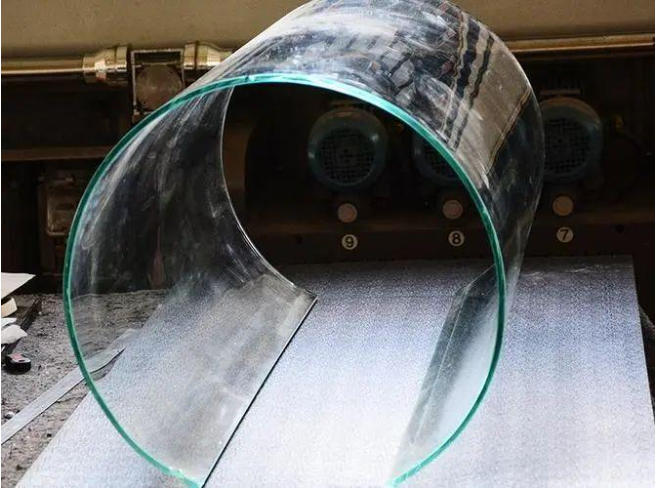
Getting Your Marine Glass Tempering Right (No Matter Your Voltage)
Tempering glass for marine use is a different beast. You’re dealing with thicker panels and environments that want to destroy everything they touch. To get that glass to its softening point without wasting time, you need shortwave infrared heaters that actually play nice with your power grid.
The Voltage Headache
Here’s the thing: most heaters you find on a shelf are stuck at 220V or 380V. That’s fine for some, but not for everyone. We don’t believe in “one size fits all.” We build lamps for 110V, 480V, and 575V because that’s what’s actually running on your shop floor or your ship. It’s not just about making it plug in. It’s about safety. If you try to push a high-wattage lamp through a voltage that’s too low, your amperage spikes. That’s a great way to melt your wiring or spend your afternoon resetting tripped breakers. By matching the voltage to your specific grid, the current stays steady. Your lamps last longer. Your stress levels stay lower.
Quartz and Heat
We house the tungsten filaments in high-purity quartz tubing. Why? Because we need that IR radiation to soak deep into the glass, not just sizzle the surface. You’ve got a choice here: clear or coated. Coated lamps push the heat forward, which makes the process faster and gets more glass out the door. But a word of warning: more heat means you need better airflow. If you skimp on your cooling fans or ventilation, you’re basically oven-baking your own electronics. Don’t let that happen.
Making it Fit
Nobody wants to spend three days rewiring a furnace just to get a new heater to work. We handle the connectors and dimensions so these are simple drop-in replacements. Whether you’re updating an old, clunky legacy furnace or putting together a brand-new line, we follow your blueprints. You wire it up, set your timers, and get back to work. Simple as that.