


Introduction
Let’s talk about a problem you know too well: trying to heat an attic sunroom or a space with walls of glass. Traditional heaters just throw warm air around, and you know what happens—heat rises and vanishes through the glass. Frustrating. So we built infrared heaters to fix that. They don’t chase the air. They go straight to what matters: the people, the floors, the furniture. You feel the warmth where you need it, and it stays steady instead of disappearing.
How It Actually Works
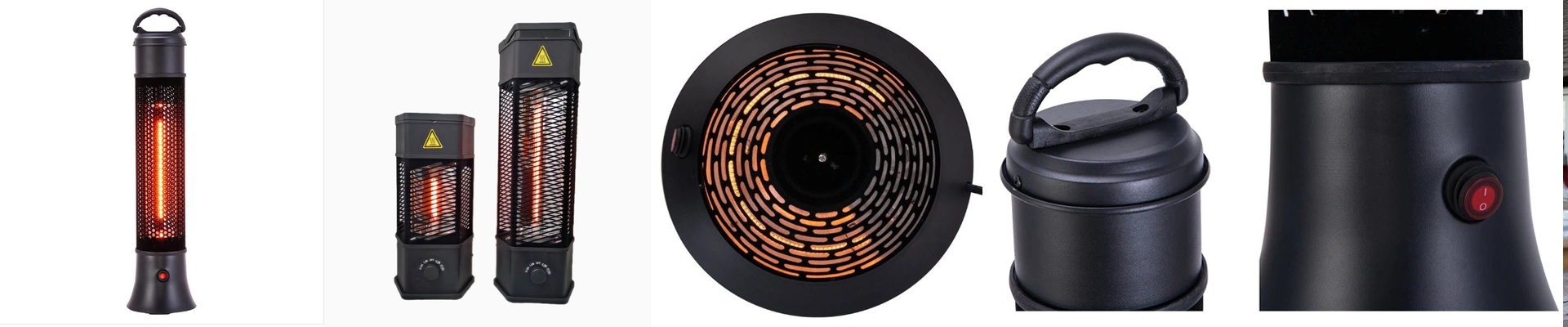
Infrared is all about line-of-sight and raw power. Our heaters pack a lot of wattage into a small footprint because those big glass areas drain heat fast. The physics are simple—and honestly, kind of elegant. The radiation passes through the air without heating it, hits the floor and furnishings, and then those surfaces gently radiate warmth back into the room. That’s how you get a stable feel underfoot, even when the glass is doing its best to make the room feel cold. We also match the electrical realities of commercial and industrial spaces. High-voltage options let you run longer circuits with lower amperage, which means smaller wire gauge and lower installation cost. And the tube length is chosen to spread the heat evenly, so you get broad coverage without hot spots.
The Build—Why It Holds Up
We use quartz tubes because they handle rapid heating and cooling without complaining. Inside, a halogen element comes up to temperature quickly and keeps output steady. The tube has a gold coating that reflects infrared forward. That matters when you’re mounting near glass—because you want the heat going into the room, not wasted on warming the glass. Then there’s the connector. The R7s two-pin base is proven in the field. It can take high temperatures, and replacement is straightforward—no tools needed. It locks in securely, so vibration and thermal expansion don’t shake the connection loose. You wire it, it fires, and it just works.
What It Feels Like In Real Life
For attic sunrooms, the win is control. The heater holds the temperature steady by warming the thermal mass in the room, not the air. So you get fewer on/off cycles, and comfort stays consistent even when the weather decides to change its mind. Installation is clean: mount it where it has line-of-sight, run the wiring, and set the controls. Now, there is one thing to keep in mind: infrared warms surfaces on contact. That means placement matters—clearances to combustibles and to people are non-negotiable. But when you size and position it right, it’s a straightforward upgrade that cuts energy use and keeps the space usable all year.