


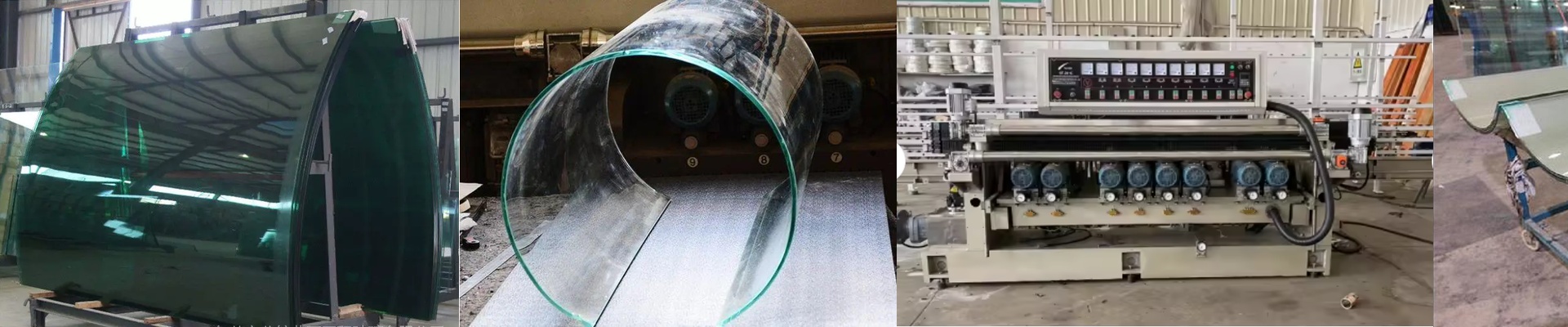
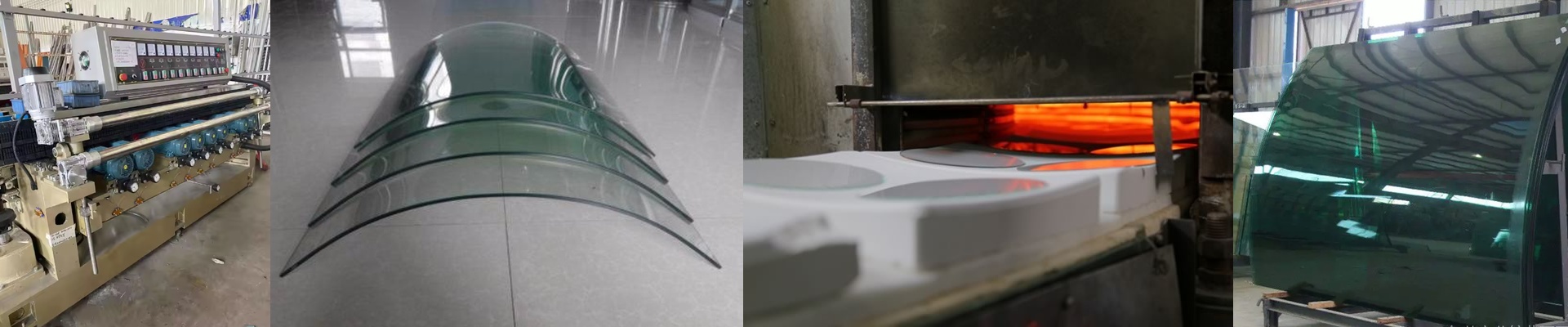
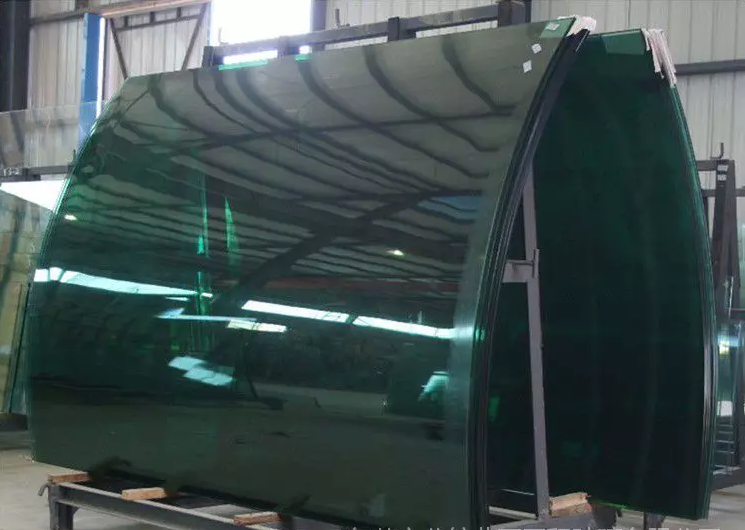
Out on the plant floor, glass heat-treatment issues don’t usually scream. They show up as off-angle bends, temper arc that wanders, or coating blisters after what looked like a clean run. In radiant-heat furnaces, the root often comes down to the reflector plate. If it can’t hold a uniform thermal field, you pay for it in scrap, rework, and wasted energy. What matters, technically We spec our gold reflector plate for industrial radiant heat transfer in glass processing furnaces. The high-emissivity gold coating is chosen to reflect infrared cleanly and stay stable through repeated thermal cycling. The plate geometry is laid out to keep radiant distribution even across the heating zone, cutting down the hot spots and cold edges that drive thermal stress in the glass. It’s built as a drop-in module, with standardized mounting and terminals that match up to common furnace fixtures. In practice, that translates to temperature profiles that repeat cycle after cycle, and less drift when you’re in the middle of a long run. Why it fits the work we do Glass processing—bending, tempering, coating drying, lamination (EVA/SGP/PVB) curing, and insulating glass sealing—lives in a tight thermal window. The gold reflector plate helps stabilize that window by improving heat uniformity, so the glass heats more consistently across the surface. For tempering, that means a more even quench and fewer stress fractures. For bending, it keeps sag control repeatable. For coating and lamination, it holds cure profiles tight, so you see less haze, fewer bubbles, and less edge roll-off. The payoff is higher first-pass yield and fewer temperature-related line stops. What you need to know Installation is straightforward, but alignment is the make-or-break detail. A small gap or a slight misorientation changes the radiant distribution and can push the heating profile right at the glass edge. These plates are meant for radiant-heat furnaces; they aren’t a replacement for under-glass or convection heating when the process requires it. Plan replacements around scheduled maintenance, and keep spare mounting hardware on hand so you don’t get held up waiting for a part.