

Why Workshops Are Quietly Switching to Electric Infrared: Cleaner Air, Fewer Headaches
You know that scene in a remote workshop: the kerosene heater keeps the space warm, sure, but the air feels heavy. There’s that fuel smell, the constant maintenance, and you’re always wiping down grime. Switching to electric infrared isn’t about being “green” for show. It’s about choosing a heat source that’s cleaner, easier to control, and simply better for the people working there—and for the tools and equipment too.
Power, voltage, and the real-world details
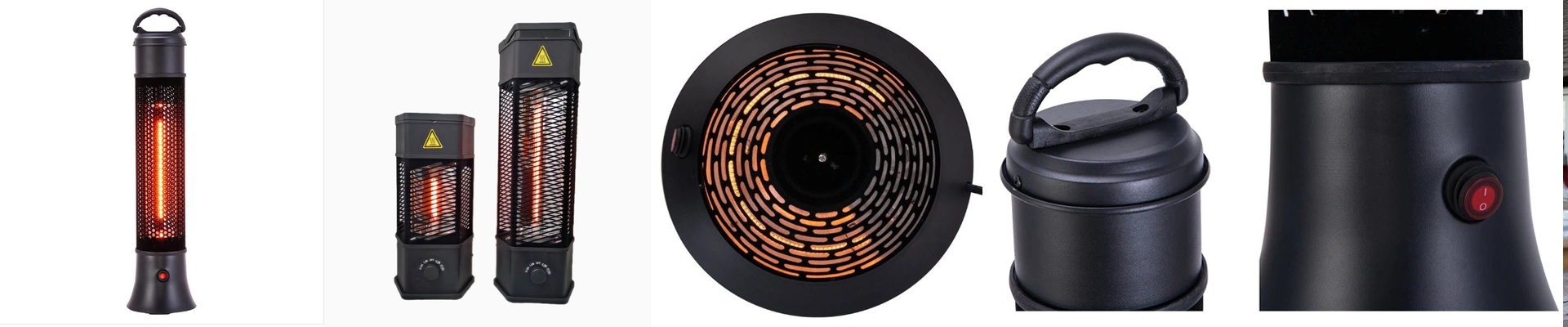
At the heart of an electric infrared heater are high-intensity lamps that turn electricity into radiant heat. The wattage rating tells you how much heat the unit can put out over time. Match the wattage to your shop size and how quickly heat escapes. If you don’t, you’ll push the system too hard, and the components will wear out faster. Voltage matters because it changes the wiring and protection you need. In industrial settings, 400V is common because it lowers the current for the same power. That means smaller cables and less voltage drop over distance. But here’s the catch: it’s not plug-and-play unless the circuit is already set up for it. You have to get the supply, contactors, and overcurrent protection right. And tube length? It’s not just looks. A longer tube spreads the heat load over more surface area, which helps manage peak temperatures and can improve coverage across wider work zones. Still, a longer element takes up more space and changes how you mount it. Plan your layout before you buy.
The materials that make the difference
These heaters use halogen infrared technology. The lamp has a halogen gas fill that keeps the element stable at high temperatures, so output stays consistent over time. The envelope is quartz because it handles rapid heating and cooling without cracking, and it stays clear through repeated heating cycles. The coating isn’t for looks. A reflective coating on the lamp pushes more radiant energy forward, so more heat goes where you aim it and less is wasted sideways. That makes spot heating more effective and can reduce the energy needed to warm a specific area. Then there are the connectors, which are a quiet hero in reliability. R7s and SK15 are standardized, two-ended fittings that lock the lamp in place and keep the electrical contact solid. In a shop with vibration and dust, a secure mechanical connection means fewer flickers, fewer hot spots, and a lamp that lasts longer.
What this means in a real workshop
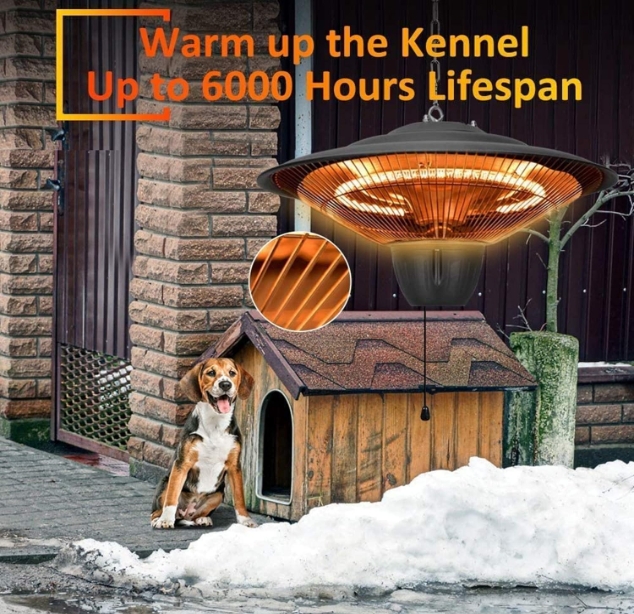
For remote indoor workshops, the biggest pain point is air quality. Kerosene heaters produce combustion byproducts and odors that build up fast in enclosed spaces. Electric infrared heaters don’t burn fuel, so there’s no exhaust gas inside the workspace and no fuel smell hanging in the air. The heat is directional, warming people, tools, and workpieces directly instead of heating the air first. That can mean a faster warm-up and less heat loss when doors open and close. When it’s time for maintenance or you need heat back on fast, you just switch it on. No fuel handling. No wicks to clean. There is a trade-off, though. Electric infrared gives you intense, localized heat, but it doesn’t heat the air evenly. If your work depends on a steady ambient temperature everywhere, you’ll want to pair it with proper air circulation or another system. But if you need clean air and dependable spot heating, electric infrared is a straightforward upgrade you can feel the moment you flip it on.