




Keeping Your Bathroom Heaters Safe and Dry
Let’s be honest: bathrooms are a nightmare for electronics. You’ve got steam everywhere, constant humidity, and water splashing around. Since water and electricity are a dangerous mix, getting your insulation right isn’t just a technical detail—it’s the only thing stopping a short circuit or a nasty shock. Here is how we actually handle it.
The Secret is in the Materials
To keep the electricity where it belongs, we lean heavily on high-grade quartz glass and ceramic insulators. Quartz is great because it handles the scorching heat without flinching, and it keeps that internal tungsten filament totally isolated. But the real trick is in the seals. We use glass-to-metal seals at the ends to lock everything tight. This stops moisture from sneaking its way inside the lamp. We also keep a close eye on the insulation resistance. We make sure these units hold a high Megohm rating, even when the outside of the heater is dripping with condensation.
Plugging the Leaks
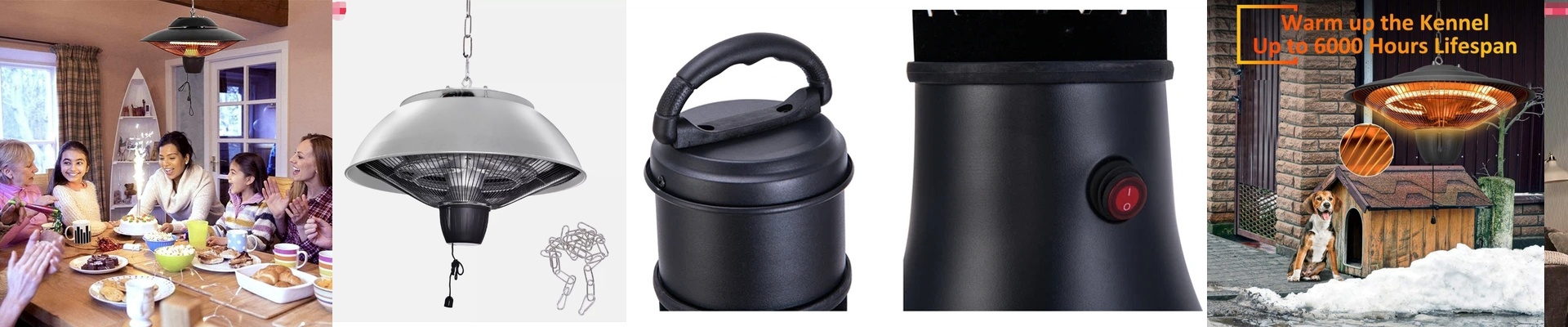
Usually, the “danger zone” is right where the wire connects to the lamp. That’s where things tend to fail. To fix that, we use sealed connectors—think R7s or specialized plug-in bases—that are potted in silicone or epoxy. It basically creates a waterproof cocoon around the live terminals so steam can’t get in. But the lamp is only half the battle. The whole ceiling fixture needs to be up to the task. We look for IP44 or IP65 ratings. In plain English? It means the housing is tight enough that a stray splash of water won’t bridge the gap between the live circuit and the grounded frame.
The Trade-offs
Now, there’s a catch. Total insulation makes things bulkier. When you use thick ceramics and sealed housings, the heater takes up more space. Plus, all that protection traps some heat around the wiring. If you use cheap wires, the insulation will eventually bake, crack, and fail. That’s why we use silicone-insulated leads. They can take a beating from the heat and the damp without breaking down. It’s a small detail, but it’s the difference between a heater that lasts years and one that dies in six months.