


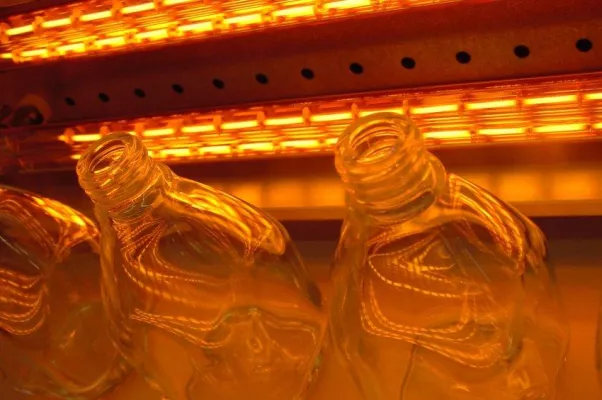
Stop Just Replacing Your IR Lamps
It’s tempting to just grab a replacement infrared lamp based on a part number and call it a day. That’s the easy part. The hard part? Actually getting that heat to land where it’s supposed to. I see this all the time: a shop drops in a high-wattage lamp, but the heat just vanishes into the machine frame. They think they need a more powerful bulb, but the lamp isn’t the problem. It’s the reflector.
Where the heat actually goes
Think of an IR lamp like a lightbulb that shines in every direction. Without a reflector, half your power is just wasting away. A gold-coated or polished aluminum reflector pushes that wasted energy back toward your workpiece. But here’s the catch: the curve has to be perfect. If it’s off by even a few millimeters, you’ll get those annoying hot spots. That’s how you end up with warped parts and a lot of frustration.
Picking your materials
Depending on the wavelength, we usually go with gold-coated quartz or high-grade aluminum. Gold is the heavy hitter for shortwave IR and doesn’t freak out when things get scorching hot. Aluminum is a bit easier on the wallet, but it can pit and wear down if your environment is corrosive. One thing to keep in mind: a better reflector means more concentrated heat. If you swap in a high-reflectivity mirror but don’t tweak your conveyor speed or cooling fans, you’re probably going to burn your material.
Look past the spec sheet
A datasheet is a great start, but it doesn’t tell me what’s actually happening on your floor. That’s why we prefer to come see it in person. We look for the things a PDF can’t show—like carbon buildup on the glass or a housing that’s shifted just a bit out of alignment. And if your lamps are burning out way too fast, it’s usually a sign that the reflector is shot. The lamp has to work twice as hard (and run way hotter) just to keep the process moving. We’re not just here to sell you a mirror. We want to clean up the thermal path so you stop wasting energy and your lamps actually last.