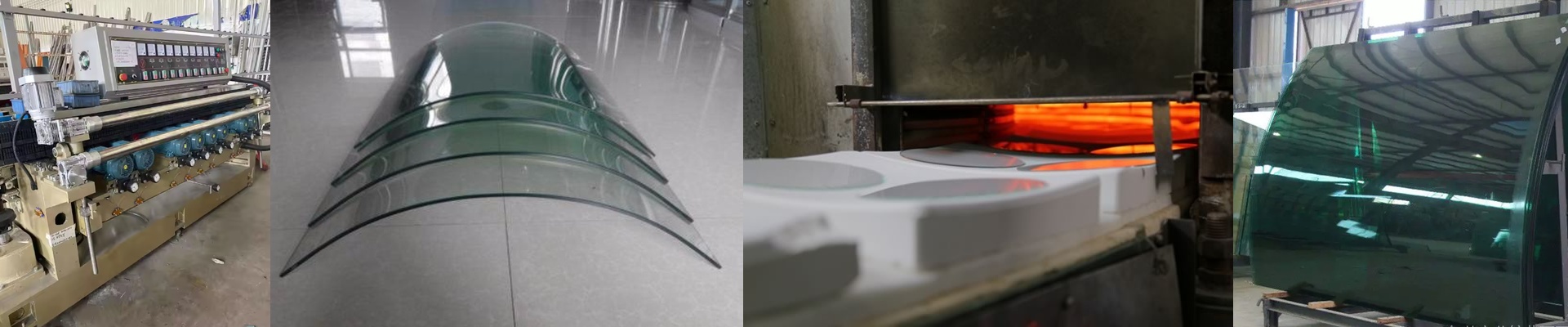

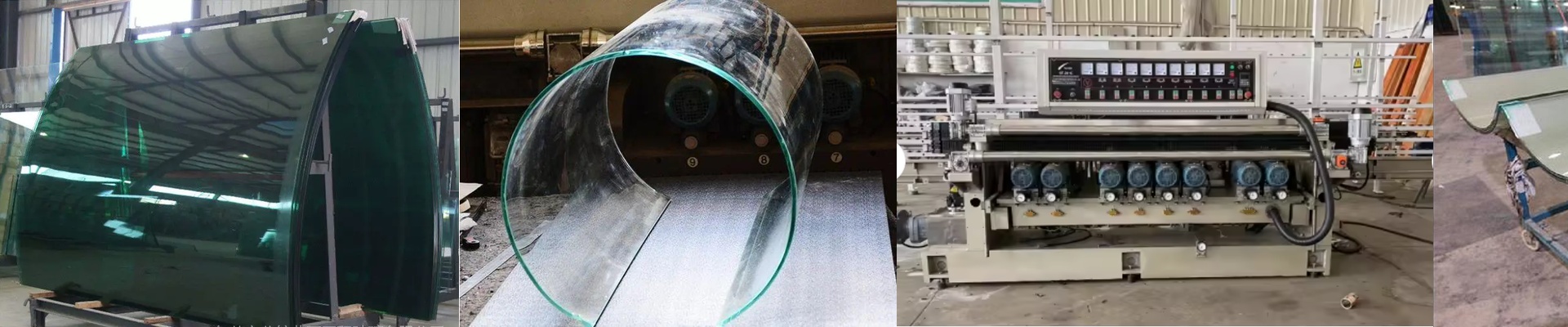

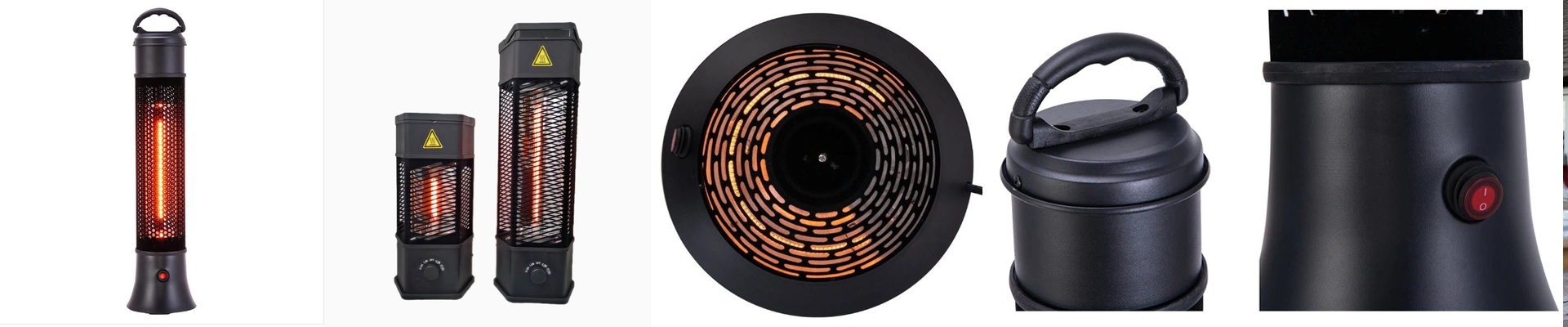
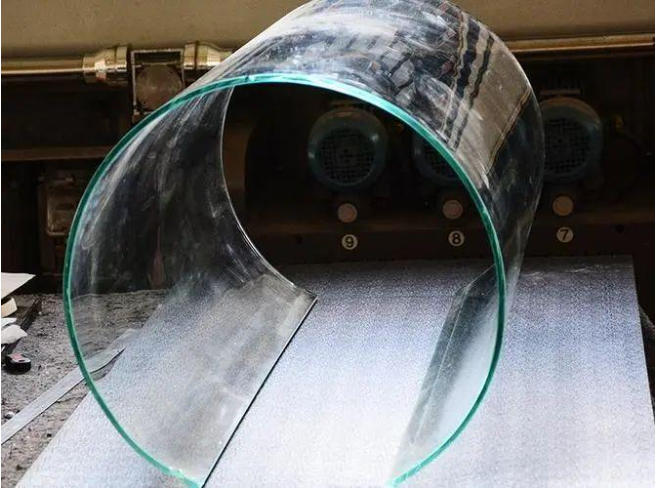
Out on the line, glass doesn’t wait for a slow ramp-up or a drifting heat profile. In the bending oven, the lamination press, or the coating line, that hesitation doesn’t just cost minutes — it shows up as optical distortion, thermal stress, and scrap. We built the 1000W quartz infrared bulb to hit repeatable setpoints quickly and hold them steady, cycle after cycle. What’s actually different under the hood It’s short-wave infrared, delivered through a quartz envelope chosen for fast response and high emissivity. The 1000W rating gives you the power density needed to push past thermal inertia in production equipment, so you cut heat-up time and still keep tight control during the soak. The wavelength is tuned to put energy where glass and thin films need it, so you rely less on convection and avoid air movement that can disturb fresh coatings. Expect rapid thermal response, stable output over thousands of hours, and consistent performance when you run multiple lamps in the same zone. In glass processing, uniform heat is the line between yield and scrap. In tempering, even heating keeps stress fractures and edge defects down. In bending, it keeps waviness and optical distortion from creeping in. On lamination and coating lines, it helps polymer flow and drying without scorching the substrate. The 1000W quartz infrared bulb gives you the thermal punch high-throughput lines demand, shortens cycle time, and lowers energy draw per part. And it drops straight into existing OEM heating modules with minimal rework, so changeover stays fast and your process window stays predictable. Here’s what matters when you run it Installation is straightforward, but alignment is everything. Focus the irradiance where the glass actually sees it, and verify reflector geometry to avoid hot spots. Manage inrush current at startup so your controls don’t get hammered. Peak output comes in a narrow band — great for speed, but plan controlled cooling to keep thermal shock off the glass. Keep the environment clean and dry to stretch lamp life; it cuts down on quartz devitrification and prevents coating degradation on the envelope. Match voltage and connector spec to your machine, and confirm clearances before you refit.