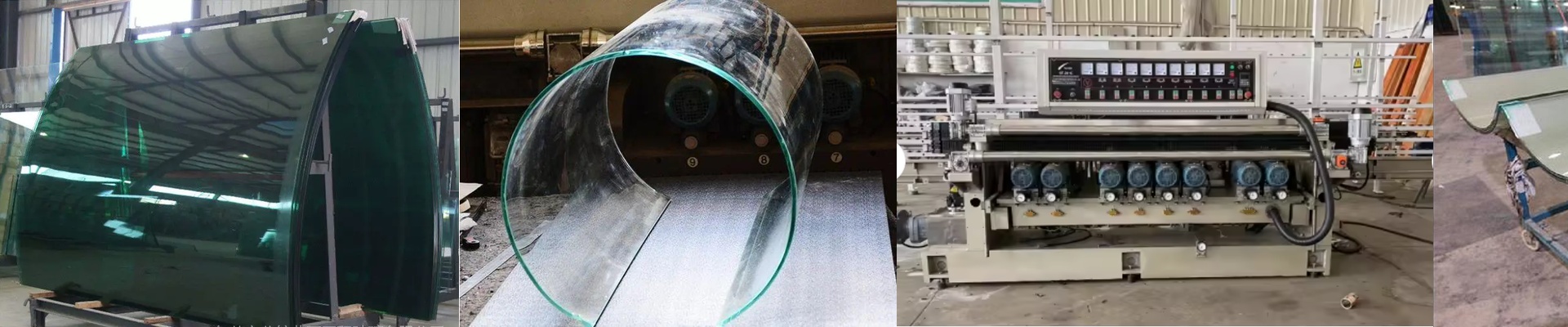
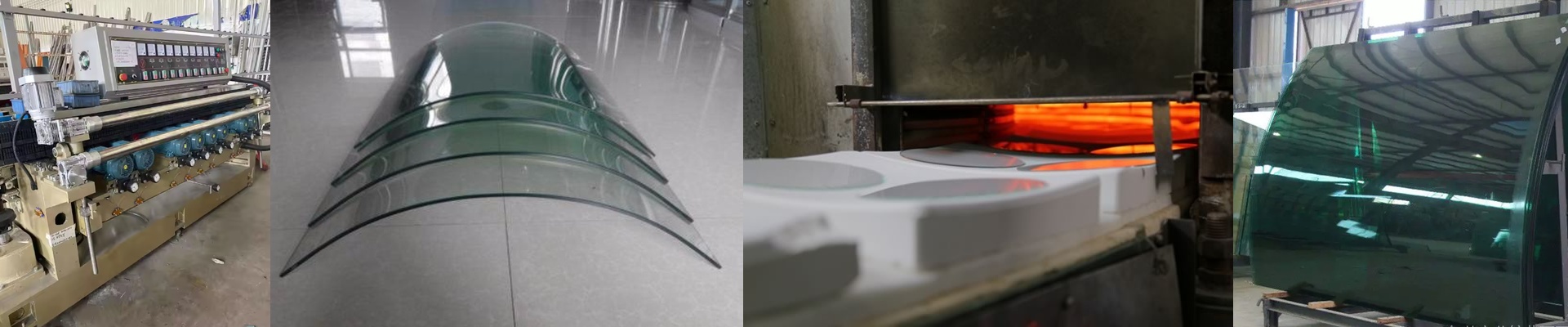
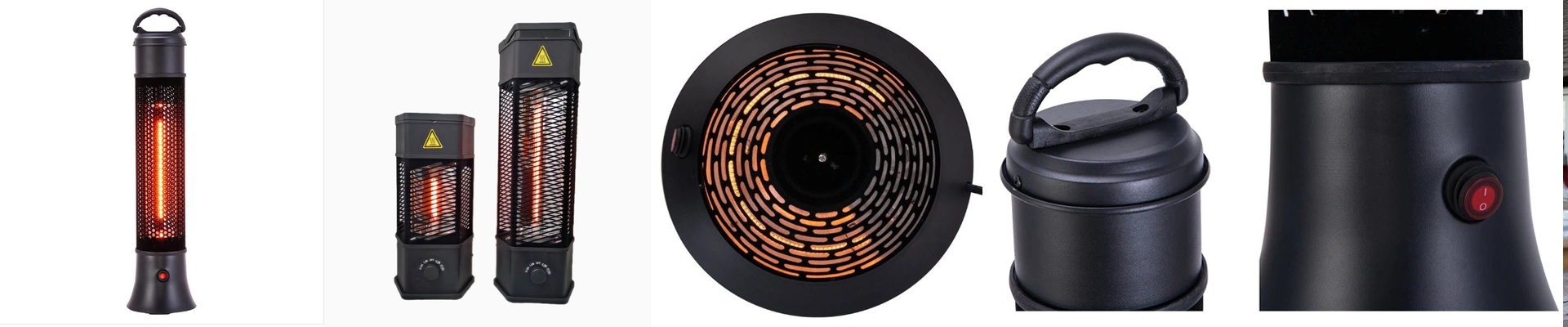
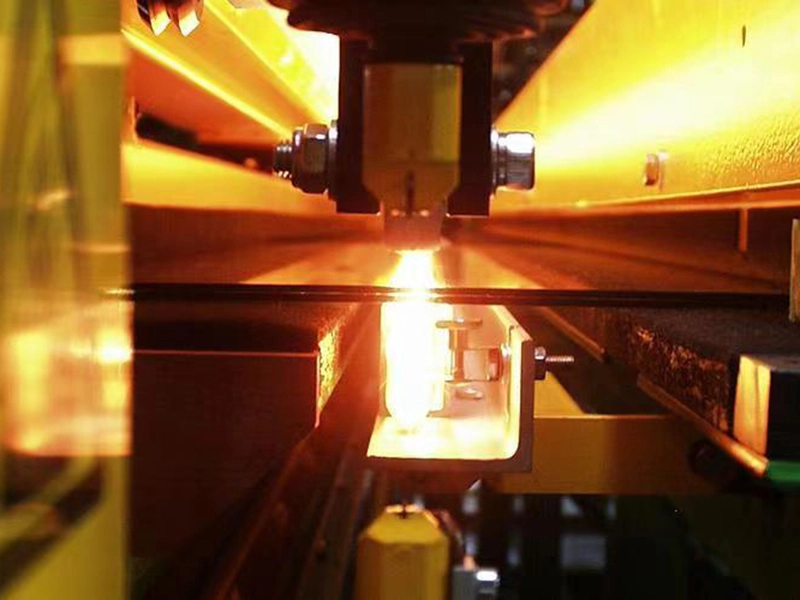
On the line, heat isn’t a perk—it’s the hard limit that decides your yield. In tempering and lamination, a lazy ramp, a cold spot, or uneven emissivity shows up as bow, optical distortion, or a bad edge. Far infrared (FIR) heaters put control back in your hands. What actually matters, technically FIR heaters put energy right into the 3–5 μm band, tuned to glass emissivity, so you’re heating the surface directly instead of leaning on convection. The response is quick: full output in seconds, and you can reshape power fast when the recipe jumps from 4 mm to 12 mm. That gives you a repeatable thermal profile across the whole width—no guessing. We build the elements for real plant duty: high-purity quartz tubes, dense coil geometry, and terminations that stay stable through repeated thermal cycling. Output holds steady instead of drifting when the line heats up and cools down. Why this works in practice In tempering, more uniform heating cuts thermal stress and keeps bow within tolerance, so you spend less time chasing rejects. In EVA/SGP/PVB lamination, FIR delivers controlled surface heat that supports consistent adhesion—without the overshoot that can fog or degrade the interlayer. Energy use drops because the heater runs on demand, not on a constant high-idle. And when downtime is expensive, the module is built as a direct, compatible swap for common OEM heating assemblies. The details that bite you if you ignore them Installation is straightforward, but alignment is where people get careless. The heater has to sit parallel to the glass path so irradiance stays even; if it’s off, you’ll see hot and cold bands printed right into the glass. Expect lead-wire temperatures near the element. Plan clearances and use the supplied heat-resistant sleeving. Match the mounting pattern and electrical interface to your machine. We include adapter plates and wiring options for major glass machinery brands, so you can swap the module in without cutting frames or re-engineering the oven.