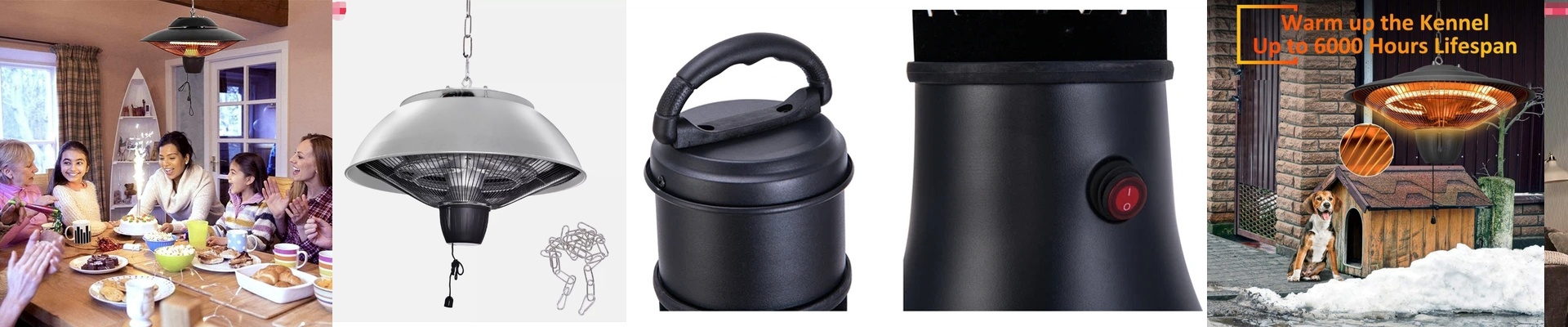
You’ve got the armchair pulled up to the window, book open, and the room is quiet—except for that creeping chill that shows up the moment dusk settles in. Whole-room heat feels like swinging a sledgehammer at a nail in this situation, and a bulky heater just ends up in the way. What you want is direct, personal warmth that wraps around you—no noise, no glare, no fuss.
What actually matters, technically
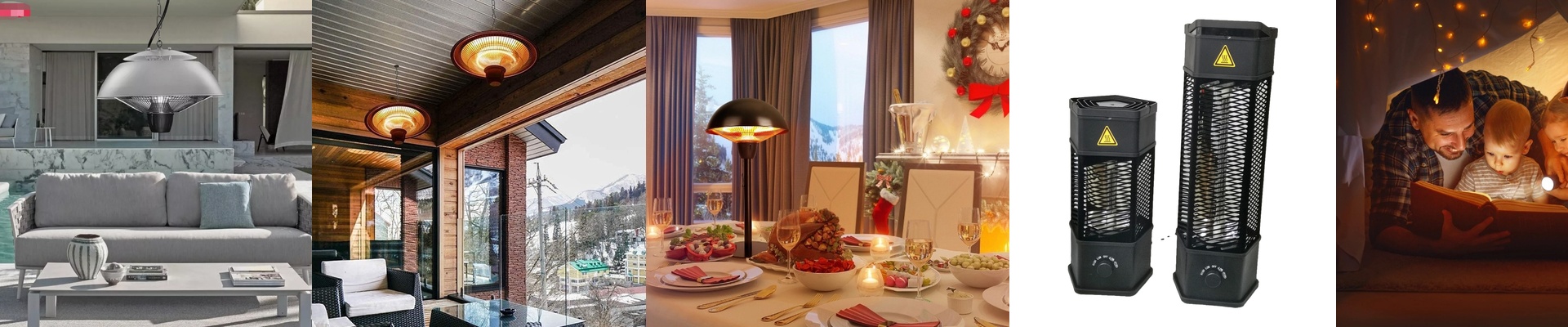
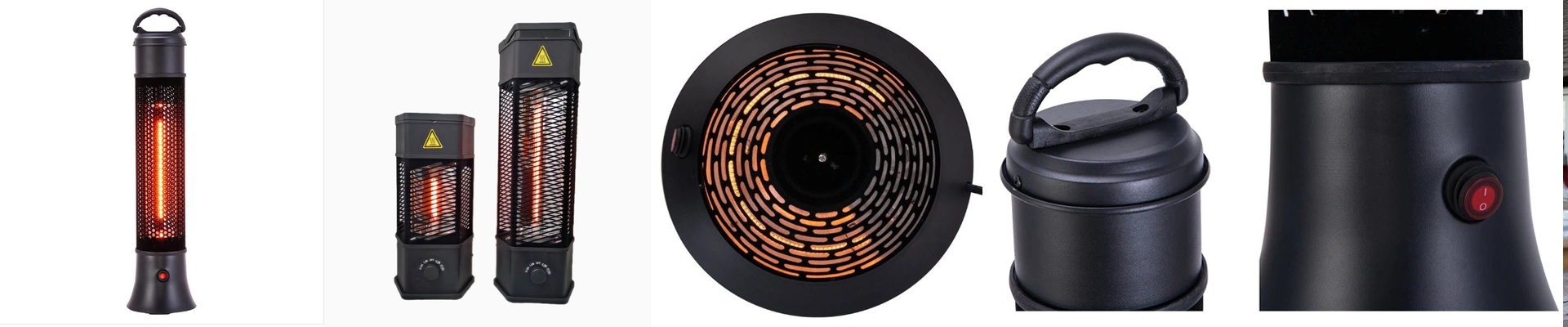
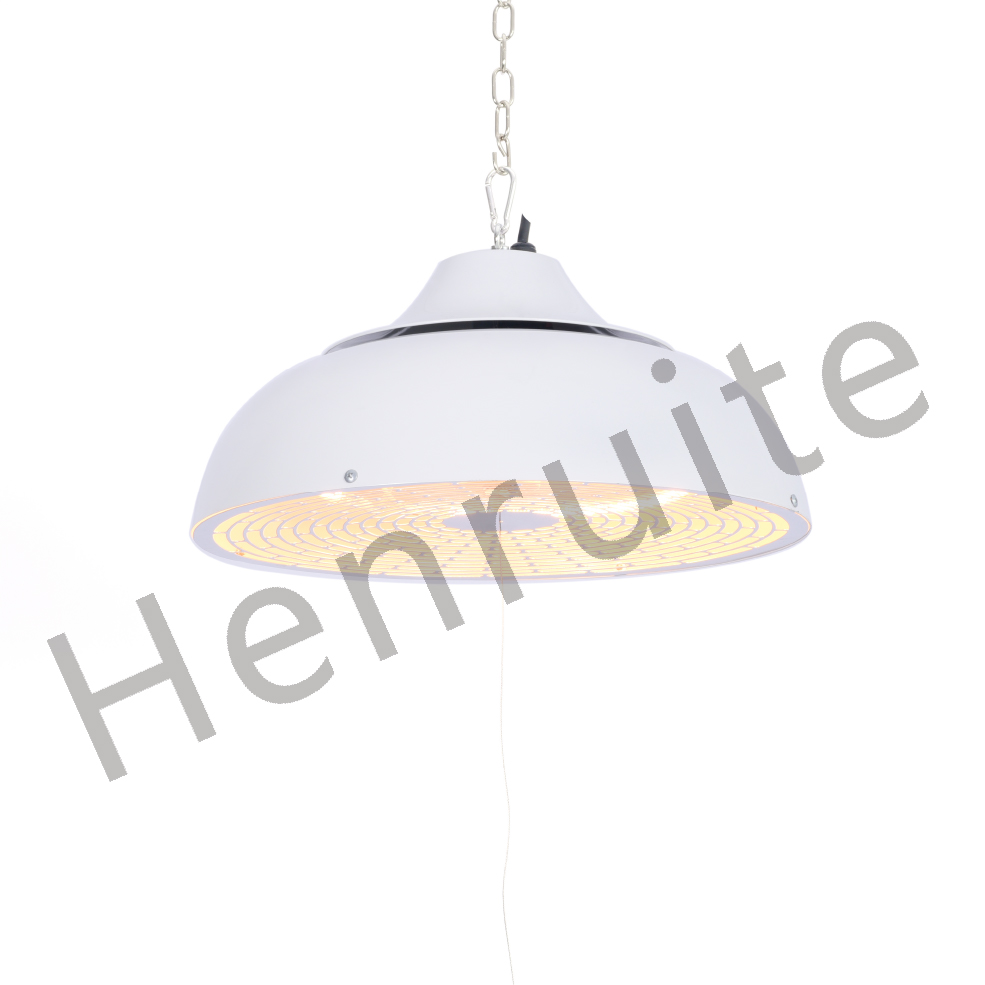
A personal infrared electric heater works by radiating heat outward from a compact element. It warms people and nearby surfaces directly, instead of trying to heat the air. In practice, that means you feel warmth within seconds of flipping it on—no waiting around for a fan to push heat around the room. The heating element is usually a quartz tube housing a high-efficiency filament. That choice isn’t random: it heats quickly, holds temperature steady, and keeps the unit small enough to move from room to room without a second trip. Most models run on standard household power and are designed for low current draw, so you can plug in without hunting for special outlets. Safety is built in as standard. Tip-over protection shuts the heater off if it gets knocked over, and a protective grill keeps contact heat at a safe level.
Why it fits this moment
When you’re reading alone, the payoff is focused comfort. The heater creates a small “warm zone” around your chair—hands, feet, shoulders warm up while the rest of the room stays quiet and undisturbed. Because it’s portable, you can put it where you actually sit, not where the furniture dictates. There’s no fan noise to pull you out of the story, and no blasts of hot air that dry you out or make you fidget. You get steady radiant warmth that helps you settle in longer, with fewer distractions.
What you need to keep in mind
Keep the heater at a safe distance from curtains, blankets, and paper. Radiant heat is effective, and clearance matters. This is designed for personal use, so it won’t replace whole-room heating when a space is very cold. For the best results, place it slightly to the side and slightly below your seated height, aiming toward your torso and legs—not straight at your face.