
Introduction
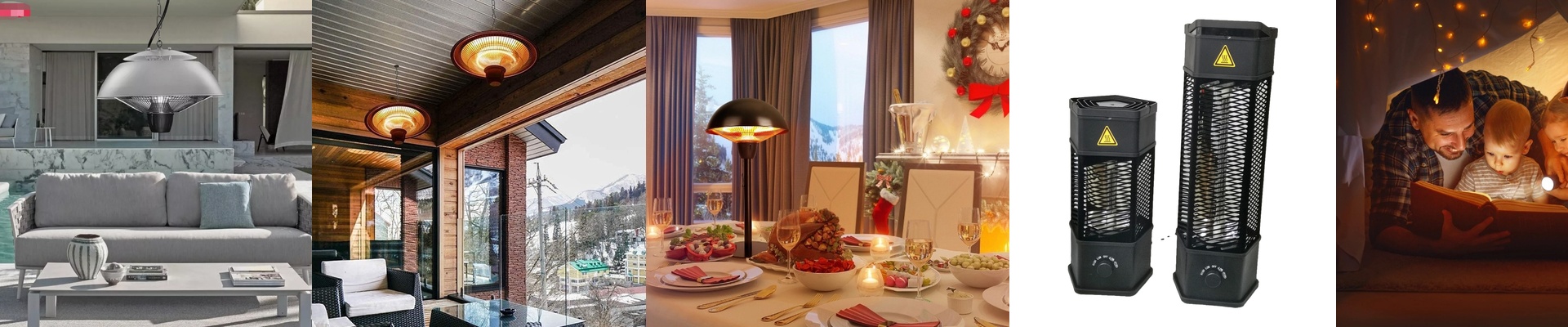
We built this wall-mounted infrared heater for the exact place most heaters fail: damp basements. You know the feeling—cold that seeps in, moisture that hangs in the air, and a space that just won’t feel usable. So we went a different route. Instead of blowing air around (which just stirs up humidity), this heater uses radiant warmth to directly heat people, surfaces, and gear. The whole design is focused on one goal: heating without making the dampness worse. It’s meant to heat and help reduce condensation in one practical package.
Technical Deep-Dive
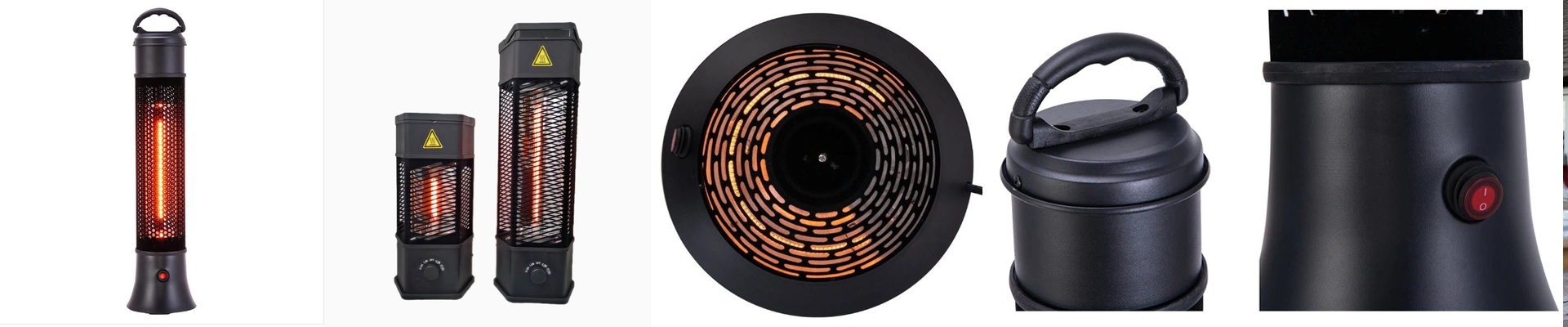
Here’s the nice part: it runs on low power, so it pulls less current than typical convection heaters, yet still delivers focused warmth. And because it mounts on the wall, you keep your floor space clear—perfect when you’re working in tight areas. The tube is compact, so it fits in low ceilings and narrow spots without giving up output. And you don’t have to wait around. The heat shows up fast, which matters when you just want a basement to feel functional again.
Material & Design
We use a halogen-filled quartz tube to produce shortwave infrared radiation. Quartz is tough—it handles sudden temperature shifts and resists moisture, which is essential in a damp environment. Inside, the halogen gas helps keep the filament temperature steady, so the heater stays consistent even during long stretches of use. The R7s connector keeps things simple. It’s an industry-standard fit, which makes the lamp a straightforward drop-in replacement and wiring a lot less stressful. A reflector coating pushes the energy forward, so less heat goes to waste and you get better control over where the warmth goes.
Application & Benefits
In a basement, the real payoff is the two-in-one effect. The radiant heat warms you (and your equipment) directly, while the localized warmth cuts down on surface condensation and helps lower relative humidity. That means fewer musty smells and less worry about corrosion—without having to overhaul your entire HVAC setup. Just keep this in mind: the heater does get hot at the surface, so follow the clearance requirements. But if you need fast, low-power heat in a humid space, this is a practical, install-friendly way to get the job done.