
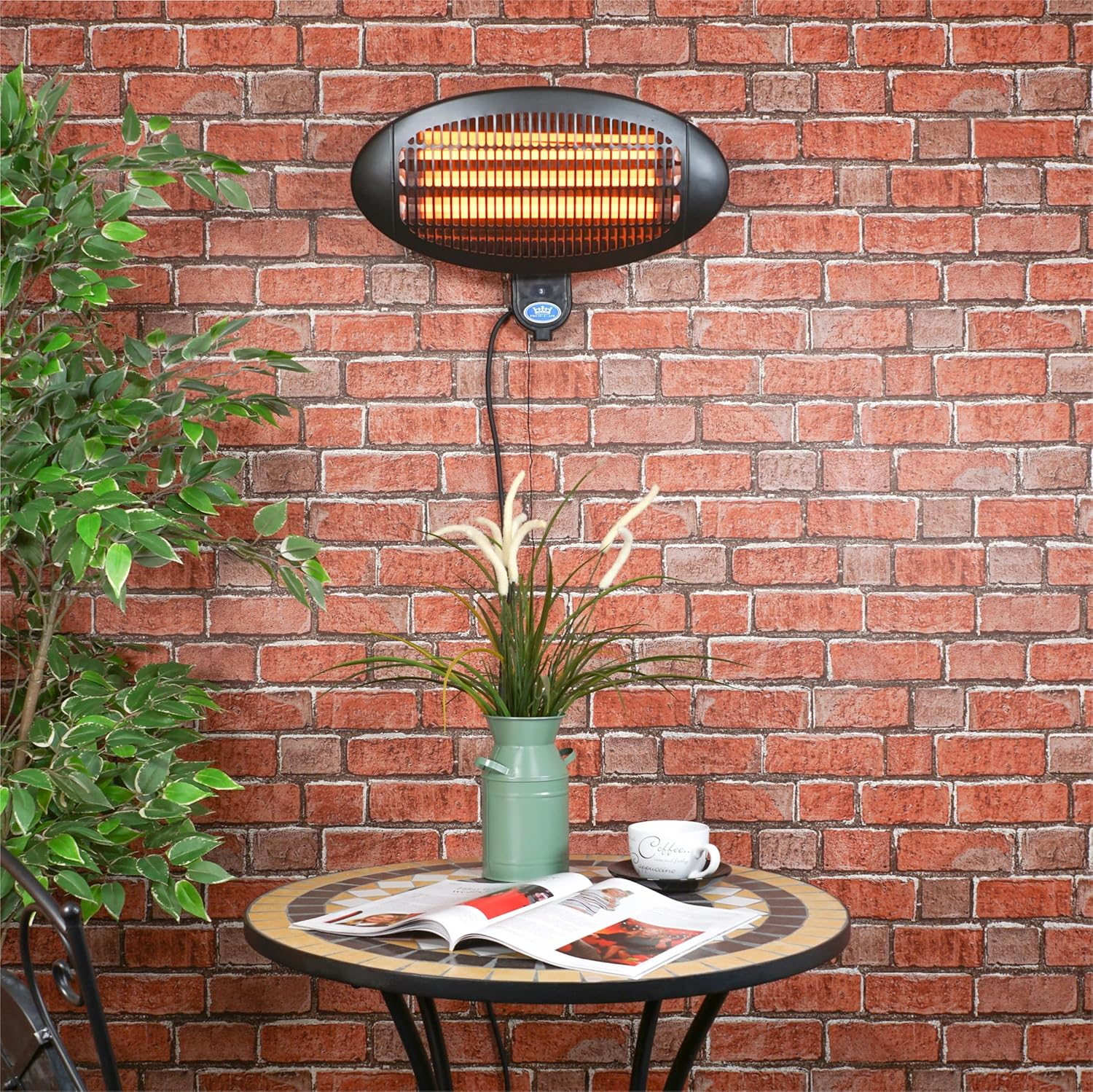
How Electric Infrared Heaters Bring Warmth Back to Hands and Feet in Cold-Weather Caravans
Let’s talk about staying warm in a Caravan when the temperature drops. We built our electric infrared heaters specifically for the realities of life on the road: tight spaces and low-voltage systems. The whole point is simple—give you warmth that lands where you need it most, directly on you, not just floating around in the air. In winter, caravan interiors can feel like they’re actively pulling heat from your body. And you know the drill—hands and feet go first. Our heaters cut through that with radiant warmth that’s tuned for comfort and responds fast.
Power, voltage, and Size: Made to Fit the Real World
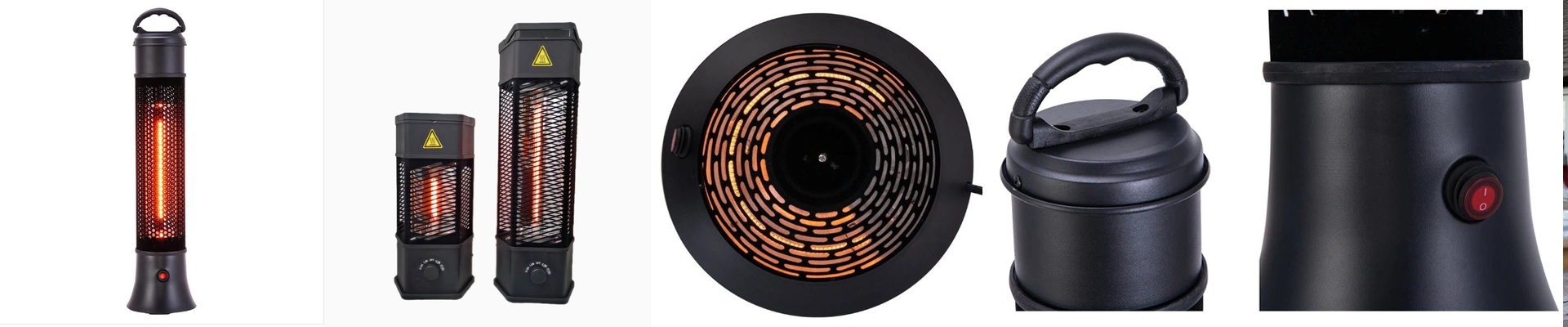
Caravan electric systems usually run on 12V or 24V DC, so we design the heater element to work with what you have—without demanding more current than your setup can comfortably handle. The heating lamp is specced to deliver high surface temperature and strong infrared output, all in a form that fits into wall or ceiling spots. We keep it compact, often a short tube shape, so it tucks in without jutting out into walkways. This is a heat-density device, so clearance matters. Keep it away from anything combustible, and make sure the wiring, fuse, and switch are rated for the full load. If you run it on a marginal circuit, voltage drop will rob output and can cause flicker or instability. That’s just how it is.
The Core: Halogen, Quartz, and a No-Fuss Connection
Inside, you’ve got a halogen-filled quartz tube. Quartz can handle high filament temperatures and doesn’t crack under the shock of repeated on/off cycles. The halogen gas helps slow filament evaporation, which keeps output steady over time and reduces blackening. So you get consistent infrared, not a lamp that fades fast. We use an R7s base because it’s a standard two-pin, straight-fit connector. Installation is quick—no adapters, no wrangling. Line up the pins, seat the lamp, and you’re done. Maintenance is straightforward, too. Swap the tube and get back to what matters. Fewer parts means fewer things to fail, and that matters when you’re on the road.
The Payoff: Warming Hands and Feet When It Counts
Infrared heats your body directly, kind of like standing in a patch of sunlight. Your skin absorbs the radiant energy, which raises tissue temperature and supports circulation at the extremities. In practice, you feel warmth on exposed skin almost immediately—no waiting for the whole caravan air to warm up. That’s huge for hands and feet, because they lose heat fast in cold environments. With the heater placed right, you get relief right where you need it, so your hands can hold a mug, turn a knob, or work on something small without feeling numb. Here’s the catch: radiant heat is directional. Placement matters. Mount it to cover the seating area, and you’ll feel the targeted warmth. Mount it poorly, and you’ll just end up heating a wall. So aim it where you sit, and let the warmth do its job.