


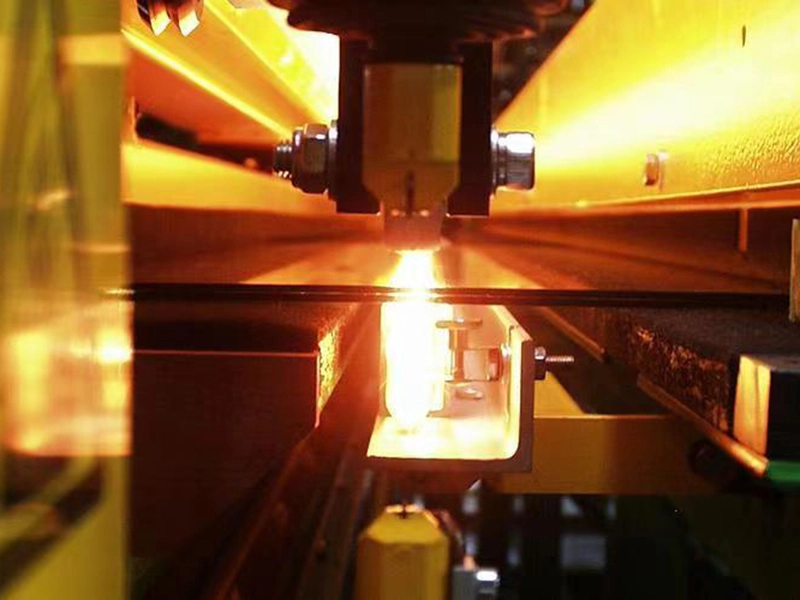
Getting Your Voltage Right for Glass Stress Removal
If you’ve ever managed a global production line, you know that getting rid of internal stress in tempered glass is a balancing act. You need intense, precise infrared heat. But for most engineers, the real nightmare isn’t the heat itself—it’s the power grid. Think about it. If you take a lamp built for a standard 110V US line and plug it into a 480V or 575V industrial circuit (the kind you see in heavy plants across North America or Canada), it won’t just fail. It’ll pop instantly. It’s a mess you don’t want to clean up. Here is how we handle that. We don’t just slap a different label on a lamp to make it “fit” your shop floor. When we move from 110V to 480V, we actually rebuild the thing. We tweak the length and diameter of the filament so the wattage and heat density stay exactly where they need to be. If you need 2000W of output, the resistance has to be spot on for your specific voltage. If the specs are off, you’re in trouble. Too little voltage? Your lamp never hits the glass transition temperature, and you’re left with residual stress in the pane. Too much? The filament snaps. Simple as that. To make your life easier, we make drop-in replacements for 110V, 480V, and 575V systems. This means you can ditch those bulky step-down transformers. They take up way too much floor space and they’re usually the first thing to break. Instead, you just wire our lamps directly into your existing control panels. Plus, there’s a bit of a silver lining with higher voltage (480V+). You can pull less current to get the same amount of heat. That lets you use thinner wiring across those long oven runs, which saves a lot of hassle. But keep an eye on your connections. High-voltage systems can arc if your connectors get worn out or loose. Just make sure your contact points are clean and tight so you don’t end up pitting your terminals. At the end of the day, we just want your lamps to hit the exact thermal profile your glass needs, no matter where in the world your factory happens to be.