


Night falls quick on the patio. One minute you’re settled in, the next you’re watching your infrared heater dim, flicker, or just die—often with no warning. More times than not, the failure doesn’t start at the heating element. It starts at the lead entry, where heat, moisture, and constant movement quietly chew through the electrical seal until a short is practically guaranteed.
What actually matters under the hood
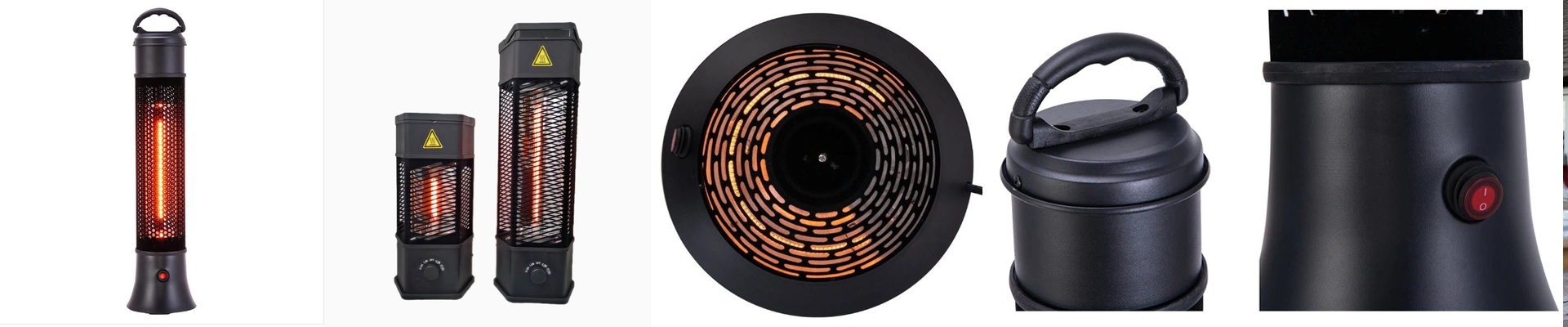
We build our digital thermostat infrared heaters around one idea: keep the electronics out of the weather. The lead seal isn’t a basic grommet. It’s a multi-layer, high-temp potting process that locks the power lead, strain relief, and internal conductors into one solid block. That gives you a transition that resists vibration and can sit close to the radiant heat source without hardening, cracking, or letting moisture creep in. Add in the digital thermostat, and the heater holds a steady comfort level instead of cycling hard. Less cycling means less thermal stress on the whole assembly—especially right at that seal.
Why this holds up outdoors
Outdoor heating is exposure—dew, rain, wind, and materials expanding and contracting as the temperature swings. A weak lead entry invites moisture infiltration and carbon tracking. Over time, that shows up as erratic behavior, nuisance trips, or sudden failure. With a factory-sealed lead interface, the infrared warmth stays consistent, the control stays responsive, and the heater survives season after season without the early “why did it shut down?” moments. For you, that translates to fewer replacements, fewer service calls, and more evenings spent comfortable instead of troubleshooting.
Practical stuff you’ll thank yourself for later
For best performance, give the heater adequate airflow and keep it shielded from direct rain. The sealed lead design is built for outdoor duty, but no electric heater is truly submersible. And remember, the digital thermostat reads ambient conditions, so placement matters. Don’t point the sensor straight at the heated surface—otherwise it reads a false high and cuts the run time short.