
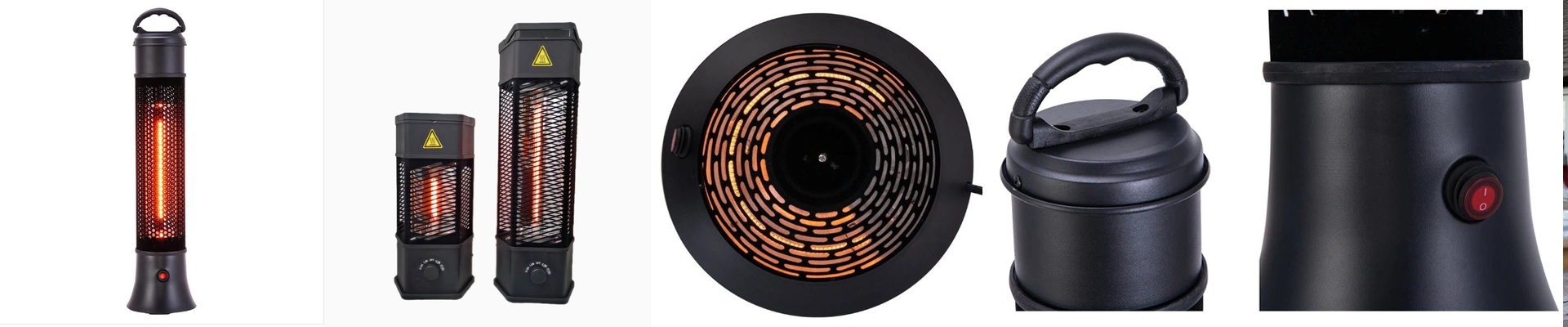

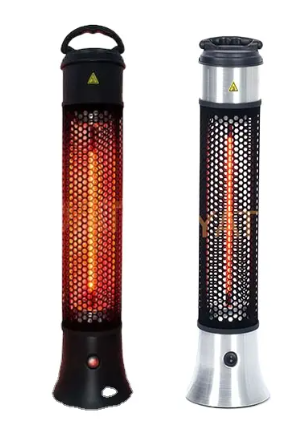
On the coldest mornings, you know the drill: layered up, waiting on the room to give up the ghost. That lag between flipping the switch and feeling warm is the worst. An infrared heater cuts straight through that wait. It doesn’t chase air around the room—it puts warmth where you feel it, right now. What’s actually going on under the hood Infrared heaters run on radiant warmth, same as the sun—just without the UV. Inside, a quartz tube or a carbon fiber element heats up and throws off short-wave infrared energy. That energy travels in a straight line and heats people and surfaces directly. In practice, you get heat within seconds of turning it on. Most models plug into standard 120V outlets, pull between 1,500W and 1,800W, and focus output over a specific area. You’ll also find a built-in thermostat and tip-over protection on many, which keeps things steady and keeps your head in the game. Here is why it fits the way a morning actually moves. You need warmth that keeps up, not something that plays catch-up. Infrared hits fast, so your hands stop shaking while you’re getting coffee, your shoulders loosen as you get dressed, and the room starts to feel welcoming without you having to wait around. That quick response turns a chilly start into a routine—one where comfort sets the tone. Because the heat is directional, it warms the people in the space first, so the room feels cozy sooner, even if the air hasn’t fully come around. A few practical notes. Infrared works best in line-of-sight. Put the heater where you actually spend time—near a reading chair, at the kitchen counter, or by the patio door. Keep it at least three feet from anything combustible, and if you’re near moisture, use a model rated for damp locations. For whole-room comfort, pair it with a gentle convection heater. For close-up comfort, the infrared does the job clean and simple.