
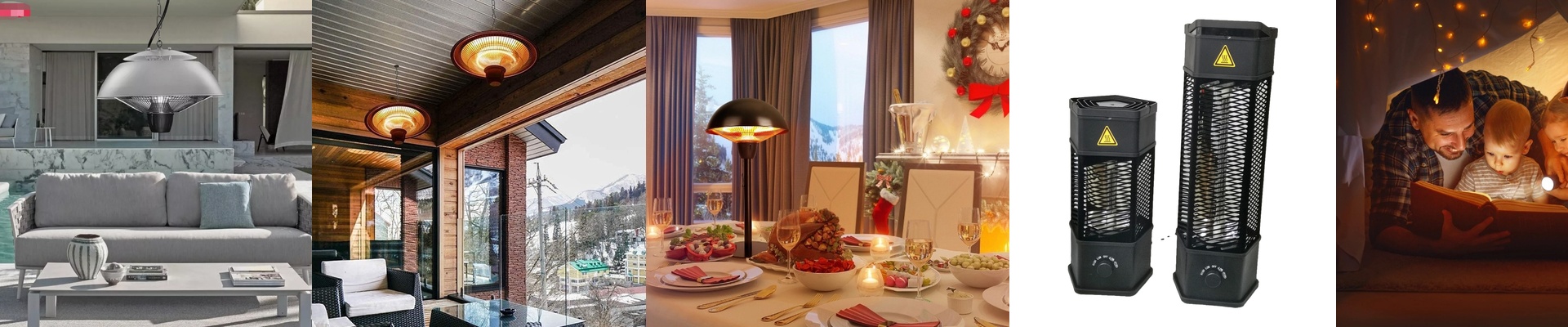
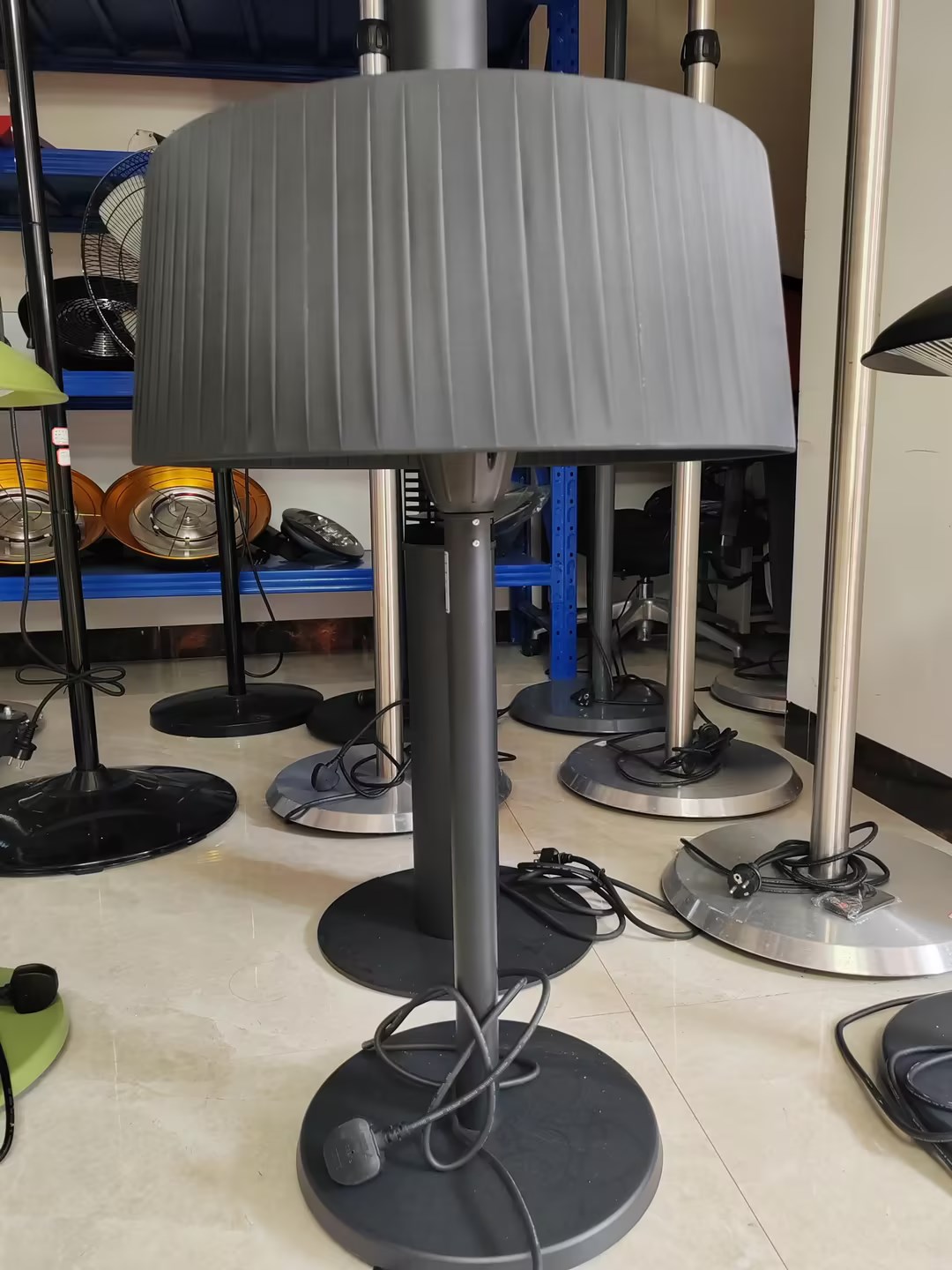
Bathroom steam gets everywhere—and that moisture will find its way into places you can’t see, including the wiring behind a heater. In a damp room, comfort doesn’t mean a thing if the unit’s electrical insulation is compromised. That’s why a bathroom infrared heater has to be engineered from the ground up as an electric heater you can trust, not just an outdoor heater slapped into an indoor application.
What matters, technically
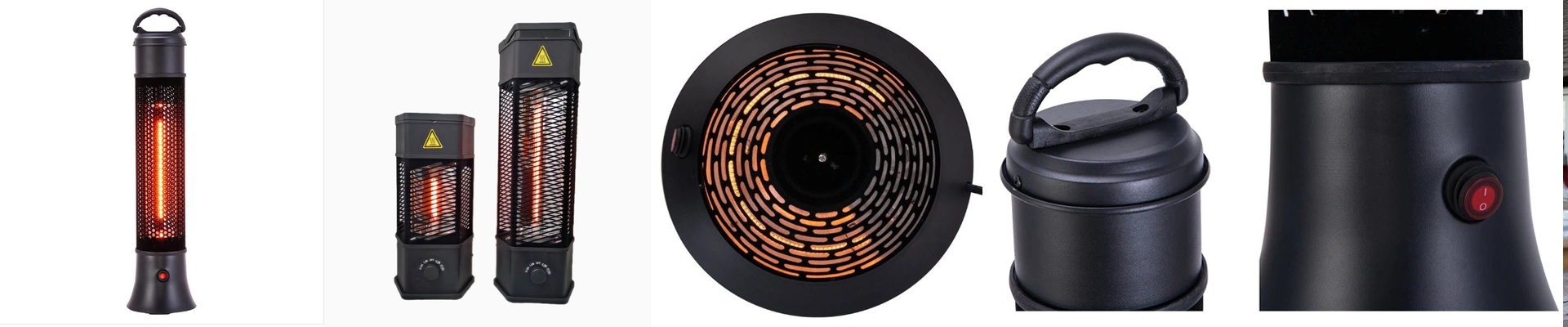
We build our bathroom infrared heater around a sealed quartz heating element and a double-walled housing that keeps the internal electrical bits isolated from humidity. The power circuitry stays fully enclosed, with reinforced insulation between live components and the outer shell. For wet environments, the unit carries an IP rating that speaks to protection against water ingress, and the front glass is sealed against condensation. It runs on standard household voltage, draws a specific wattage so you can plan the electrical load, and comes with a grounded plug and a built-in thermostat for steady, controlled warmth.
Why it works in a bathroom
In a bathroom, infrared warmth makes sense because it heats people and surfaces directly instead of trying to warm the entire air. You feel the heat almost instantly, and the air stays less stuffy—especially important when towels are damp and floors are cold. Because the core system is sealed and insulated, the heater delivers that radiant comfort without letting moisture migrate into electrical joints or connections. The payoff is a more dependable routine: fast warm-up, fewer drafts, and consistent comfort during early mornings and late evenings.
What you need to know
Even with solid sealing, the bathroom install still comes down to the wiring and where you mount it. Keep the unit out of direct shower spray and on a circuit that can safely handle the heater’s load. If you’re swapping out an older fixture, verify that the junction box and wiring method match the heater’s requirements. For long-term reliability, power the unit off before cleaning, and keep it in its intended environment—this is a bathroom electric heater, not a general outdoor heater.