Introduction
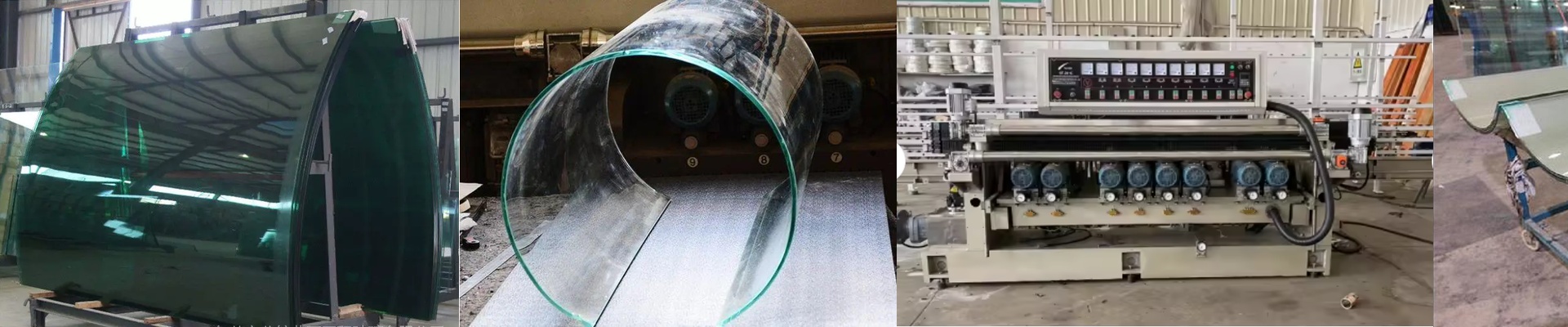
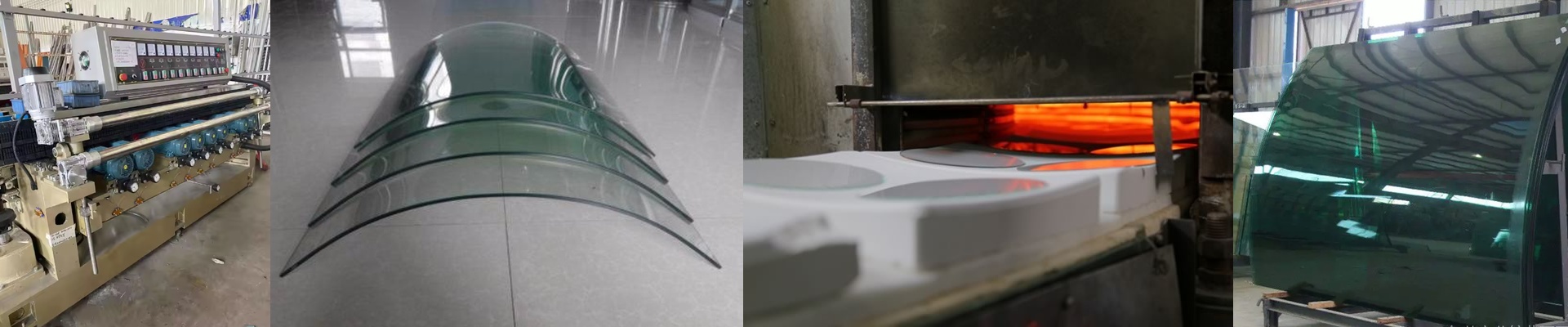
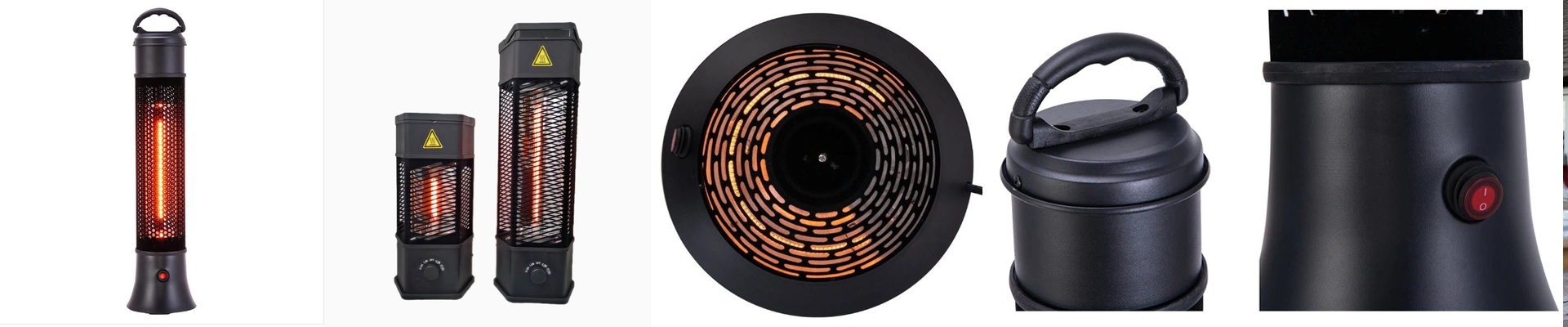
We built this infrared lamp for one very specific reason: to make annealing glass tubes and pre-softening thick glass sheets a whole lot easier. It’s a high-penetration, shortwave halogen unit, designed to hit the exact spot you need with fast, focused heat—without messing up the material around it. The whole point? Give you a clean, controlled heat profile so the cutter can do its job cleanly. Less chipping. Less wear on your tools. Just smooth, predictable cuts.
What’s Under the Hood: Power, Voltage, and Size
At the heart of this thing is a high-wattage, shortwave halogen emitter—built to handle the kind of nonstop work you see on a factory floor. It runs on 400V, which means it plays nice with standard factory power setups. Less strain on the wiring. Less voltage drop, even when the lamp is mounted a good distance away. The lamp is 300mm long, with a slim tube diameter. That size wasn’t chosen by accident—it matches up perfectly with common glass tubes and cut lanes. So the heat lands exactly where you need it, right along the scoring line. This setup packs a ton of heat into a small area, which is exactly what you want when you need to soften a cut path fast. Here’s the thing, though—that kind of power does generate noticeable ambient heat. So make sure your fixture and cooling setup are ready for it.
The Details: Halogen, Coating, and Connection
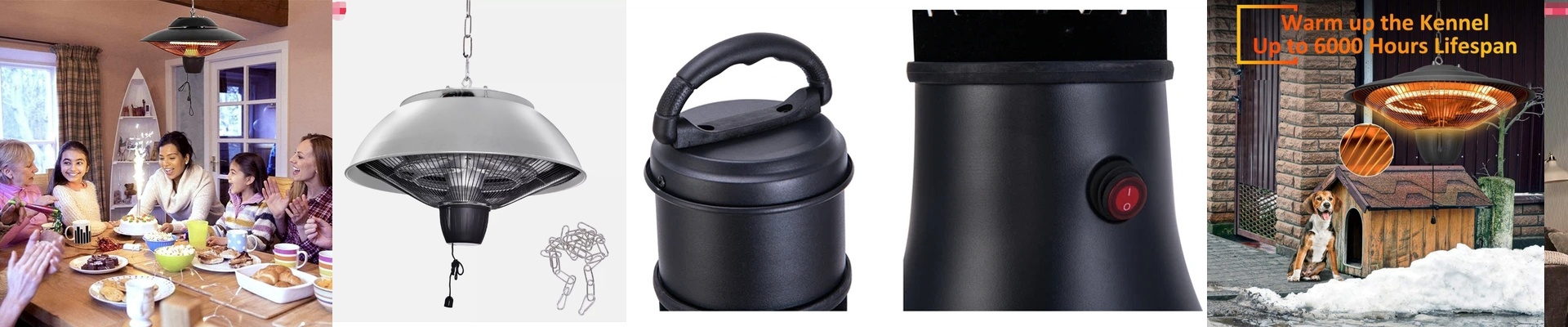
Inside, you’ve got a halogen capsule that runs hot to produce shortwave infrared energy. The quartz envelope around it can take the heat shock—no worries there. And the reflective coating? It pushes more energy forward, so more of that intensity actually lands on the workpiece. The connector is an R7s two-pin ceramic terminal—tough enough for high temperatures, and gives you a solid, reliable connection every time. And if you’re swapping burners, it drops right into many existing fixtures. No need to rewire the whole station.
Why It Matters: Cleaner Cuts, Happier Tools
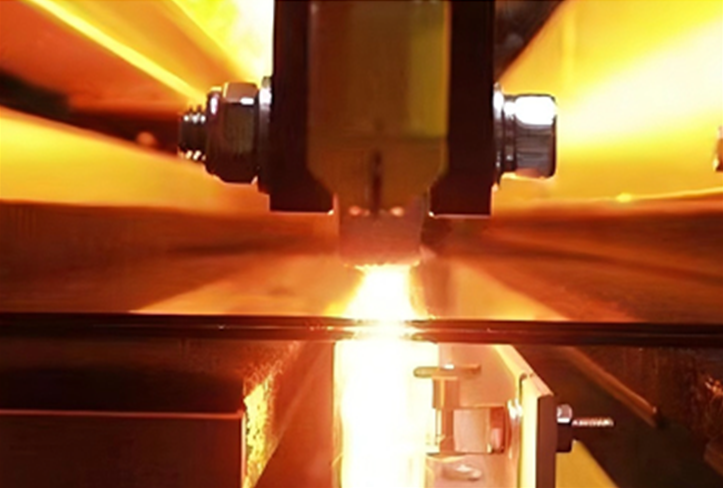
Cutting ultra-thick glass can be brutal. You’re dealing with chipped edges, tiny cracks, and cutting wheels that wear out way too soon. This lamp changes that by preheating the score path with a tight infrared beam. It raises the surface temperature just enough to ease the stress during scoring. The payoff? The cut starts smoother, the wheel doesn’t have to fight as hard, and the fracture spreads the way it should. You get full control over the heat, so you can soften the glass just right—without scorching the surface. If you’re running a high-volume cutting line, that means fewer tool changes, fewer rejects, and results you can count on, shift after shift.