
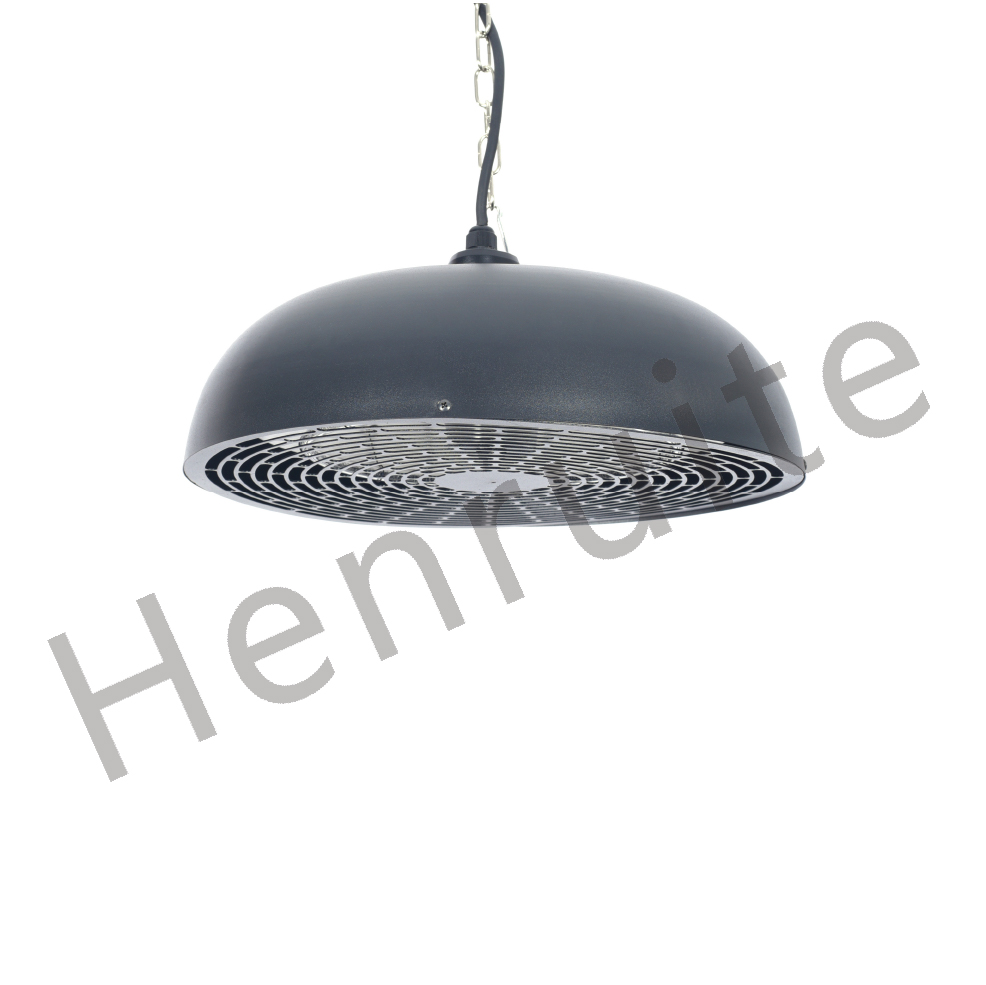
On a cold evening, the last thing you need is your outdoor heater dying mid-conversation. Not with a flicker—just a dead element and night biting back. With infrared heaters, that failure usually starts where you can’t see it: right at the lead-wire entry.
What matters under the hood
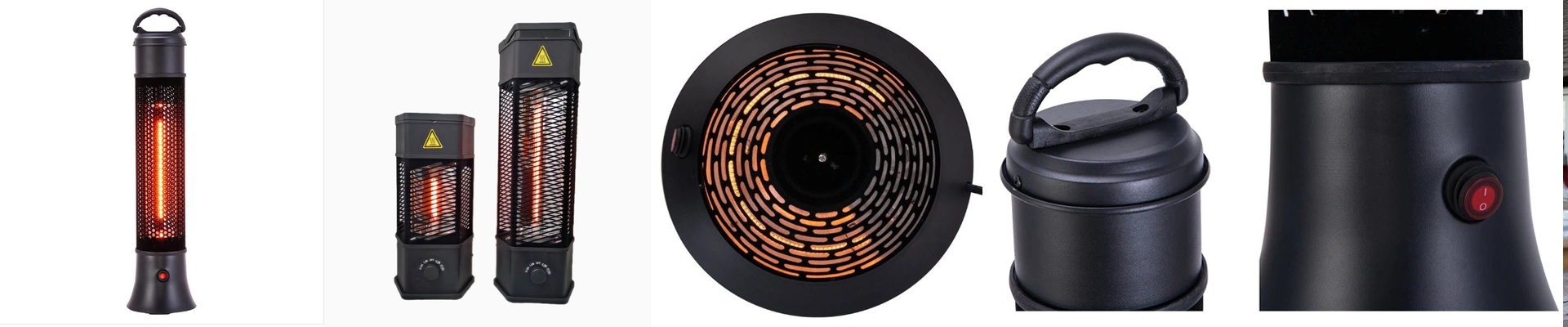
We build our infrared heater around a radiant core that throws instant warmth—no fan noise, no waiting. The real pivot is the lead-wire seal. In a proper, OEM-grade assembly, the wire transition gets potted and compressed inside a high-temperature ceramic or silicone strain relief, then fully enclosed. That keeps heat from migrating into the wiring, blocks moisture, and stops motion from sawing through the conductor over time. The payoff is measurable. We run continuous 5,000-hour cycles and see under 5% output drop. The electrical path stays stable even when the reflector and element are running hot. For safety, we include the basics—thermostat control, tip-over protection, and a sealed housing that supports a reliable IP rating for outdoor use.
Why this matters outdoors
Outdoor heating is rough on electronics. Wind brings rain, decks flex, and patio covers trap heat. A weak seal invites oxidation, insulation breakdown, and eventually shorting—exactly the kind of high-temperature aging that kills a heater early. With OEM-level lead-wire sealing, the connection stays dry and cool enough to hold its dielectric strength. You get steady infrared warmth season after season. You feel comfort faster, use less energy than forced-air setups, and stop replacing heaters that fail from the inside out.
A few practical notes
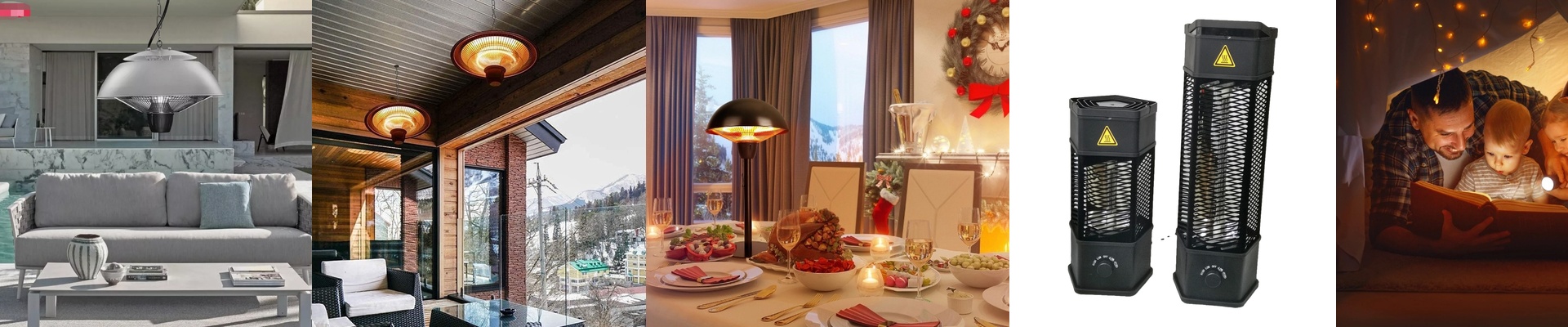
This level of sealing needs thoughtful routing and space around the junction box. Clearance matters so heat doesn’t bank against nearby materials. And while the seal protects the internal joint, the heater still needs a properly rated outdoor circuit. Plug into a grounded outlet on a dedicated line, keep the cord out of foot traffic, and follow the clearances for furniture and overhead coverage. Do that, and the reliability is earned—not assumed.