

You know that tight, static feeling when a conventional heater kicks on? Skin dries out, throat gets scratchy, sinuses feel parched. That’s the air being heated at the cost of moisture. In a home where comfort matters, that dryness isn’t just annoying—it chips away at how genuinely cozy a room can feel.
What actually matters, technically
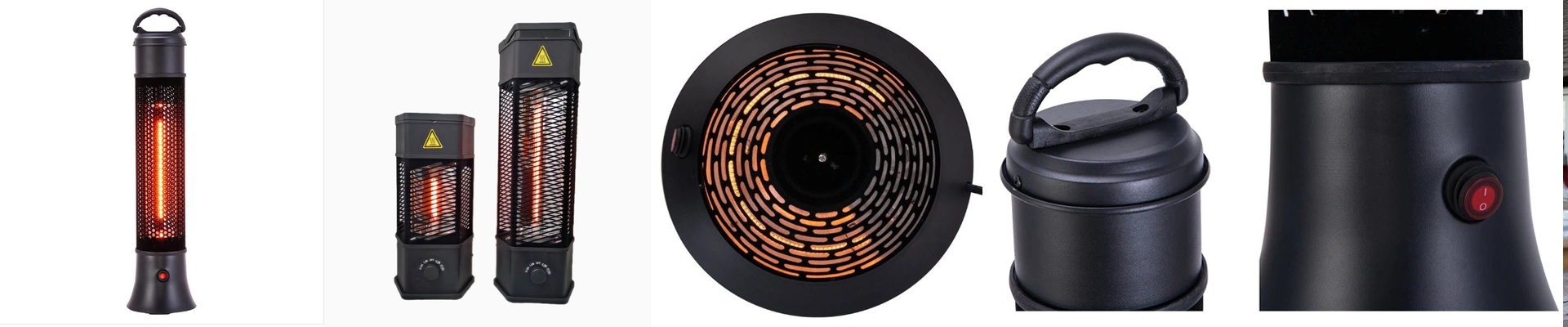
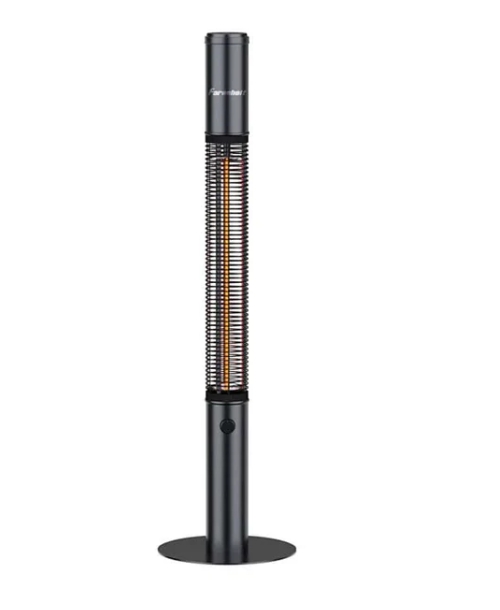
An infrared wall heater doesn’t push hot air around. It delivers radiant heat that travels in straight lines and warms solid objects—walls, floors, furniture, people—directly. Inside, you’re looking at a carbon fiber element or a quartz tube producing medium-wave infrared warmth, so you get heat right away without blasting air across the room. Most run on standard 120V or 240V, install flush or on a bracket, and come with a built-in thermostat and tip-over protection. The operation is steady, and it’s quiet.
Why this approach works
Because infrared targets objects instead of the air, indoor humidity stays more stable. You get warmth without the rapid moisture loss that makes the air feel brittle. The room feels more balanced: you warm up faster, with fewer drafts, and the air feels more natural. That matters when you’re reading, entertaining, or trying to sleep comfortably. Energy goes where it counts, so you feel the heat immediately instead of heating empty space.
The details that make the difference
Place infrared wall heaters where the line of sight is clear—under vaulted ceilings or along a main wall—so the radiant warmth reaches the people in the room. These units warm what they touch, and that’s the point: objects in the beam get warm, and that warmth holds. For whole-room comfort, pair it with gentle air movement. Expect the strongest warmth right in the direct beam, so plan coverage around seating areas. Installation is straightforward, but a dedicated circuit and proper mounting pay off in long-term reliability.