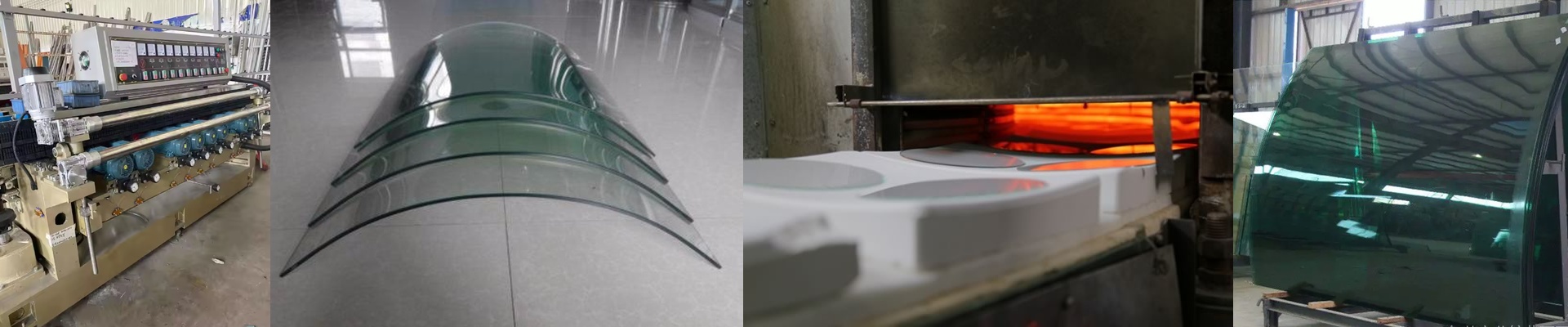
Stopping Glass from Shattering: The Secret to Fast IR Heating
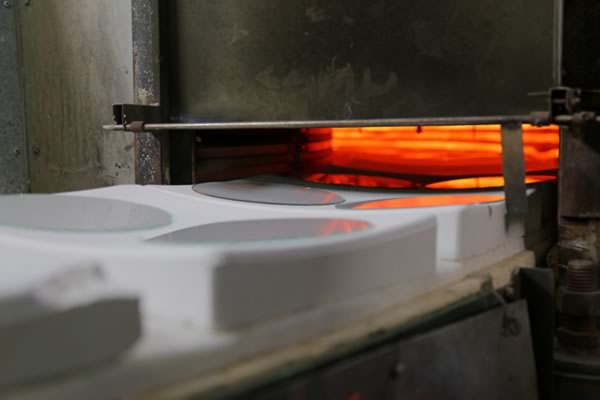
There is nothing worse than watching a batch of glassware just… snap. It happens when the temperature difference between the inside and outside of the glass gets too extreme. One part expands, the other doesn’t, and you’ve got a mess on the floor. To stop this, we use shortwave infrared lamps. Think of it as “instant tempering.” These lamps bridge the gap between cold glass and the furnace so the material doesn’t freak out from the sudden heat. Getting the heat just right The trick is being able to crank the power up or down in a split second. We use high-wattage lamps because we need the surface to hit that softening point quickly, but we can’t just blast it. That’s where SCR power controllers come in. They let you tweak the wattage in real-time. It keeps the surface from expanding way faster than the core, which is exactly how you avoid those nasty cracks. The gear you’re actually using These lamps use a halogen-filled quartz envelope. The halogen does the heavy lifting here—it stops the tungsten filament from evaporating, so your light stays steady for thousands of hours. Plus, they usually come with R7s or SK15 connectors, so if one pops, you can just swap it out and get the line moving again without a headache. Now, here is the catch. Shortwave radiation digs deeper into the glass than longwave does. It’s great for speed, but if you’re not careful, it’s a bit of a double-edged sword. If the lamp is too close, you’ll get “hot spots.” You’ve got to spend some time calibrating the focal point to make sure the heat is spread evenly. The messy reality of installation Putting these into your setup isn’t just “plug and play.” These lamps pull a lot of juice, so your electrical panel needs to be ready for some big current spikes when they kick on. And then there’s the heat. A 2kW+ lamp puts out an incredible amount of energy, and a lot of that bounces right back toward your machine frame. If you don’t use heat-resistant shielding or some serious forced-air cooling, you’re going to end up with melted connectors or burnt-out wiring. Not a great look.