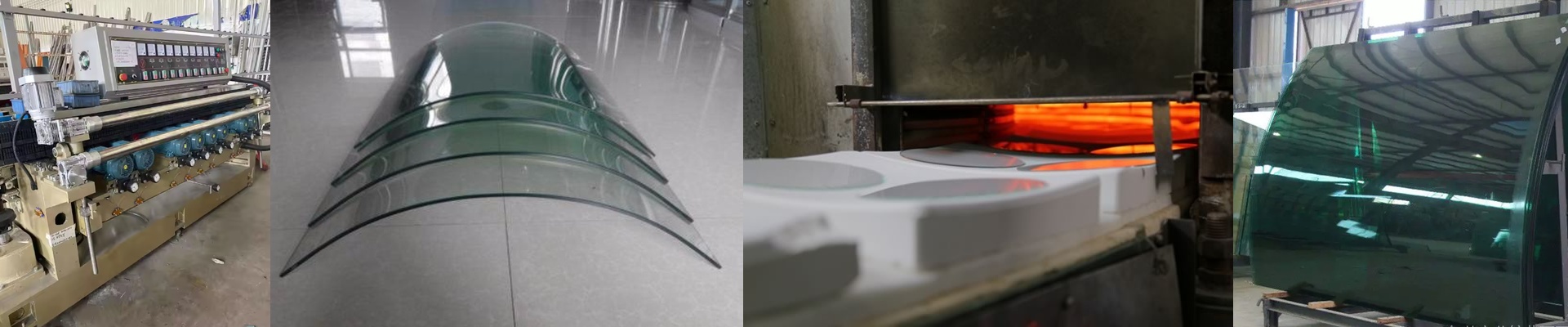
Stop Guessing With Your Glass Cuts: The Magic of IR Preheating
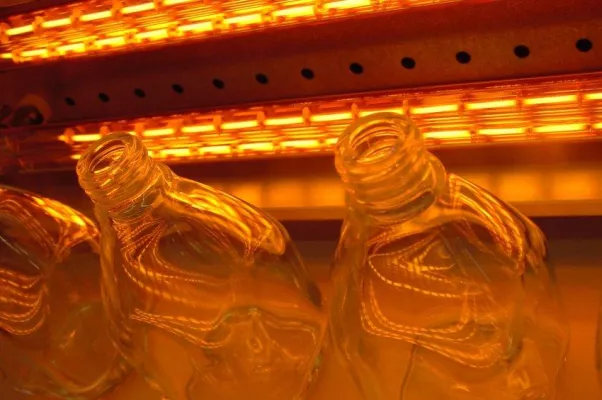
Cutting cold glass is basically a gamble. You score a sheet at room temperature, cross your fingers, and hope for the best. But usually, internal stresses take over, and you end up with those annoying chips or corner breakouts that turn a perfectly good part into scrap. It’s frustrating. And expensive. The trick to stopping this is infrared (IR) preheating. Instead of fighting the glass, we change how it behaves at a molecular level before the cutter even touches the surface. Why heat it up? Glass is stubborn and brittle. When we hit it with shortwave IR radiation, we bring the surface up to a specific temperature that relaxes the tension. Think of it this way: once the glass is warmed up, the crack follows the score line exactly where you want it to go. No wandering. No random fractures. Just a clean, satisfying snap. The gear you actually need To make this work, we use shortwave quartz lamps. These things are great because they hit the glass instantly. You aren’t standing around waiting for a heating element to warm up while your production line sits idle. The setup depends on your speed. If your conveyor is flying, you’ll need higher wattage lamps to keep that surface temperature where it needs to be. Simple as that. The “Catch” (And how to handle it) Now, you can’t just crank the heat to the max. If you go overboard, you’ll deal with thermal shock or warping, and suddenly your sheets aren’t flat anymore. It’s a balancing act between the lamp’s intensity and how far away it sits from the glass. Also, a quick heads-up on the power: high-wattage IR arrays pull a lot of current. Check your power cabinets. You don’t want to be the person tripping the breakers in the middle of a rush. The best way to keep everything steady? Wire the lamps into a closed-loop PID controller with a pyrometer. It handles the heavy lifting, keeping the temperature locked in regardless of how thick the glass is.