
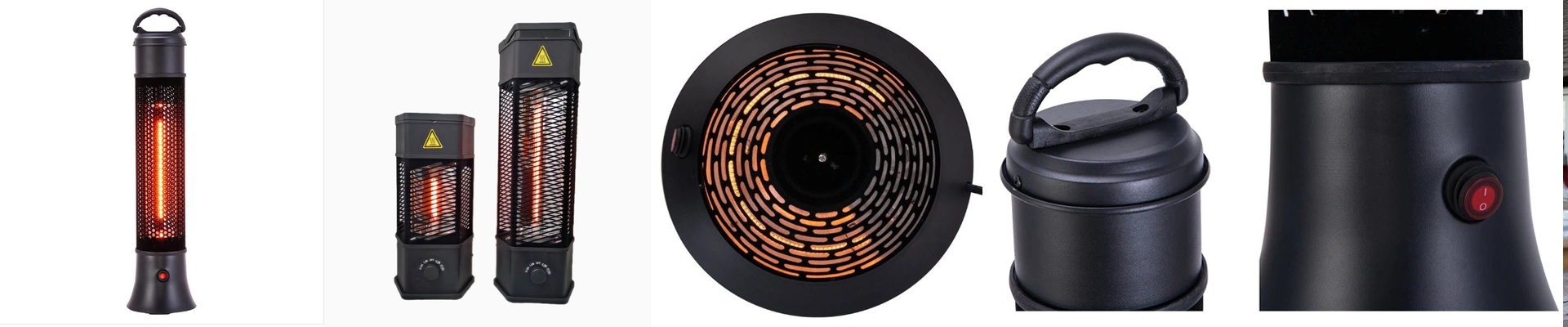

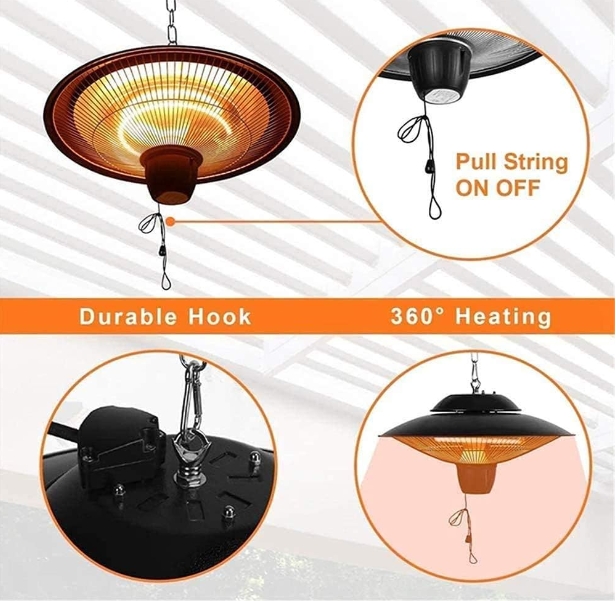
We’ve all been there: you step inside, expecting comfort, and instead you get tight skin, eyes that itch, and that crackle of static in the air. Forced-air heat pulls moisture out of the room, and the air ends up feeling thin and irritating. Infrared electric heaters flip that script by warming objects and people directly, not the air around them. What matters, under the hood Our app-controlled infrared electric heaters run on carbon fiber elements inside sealed quartz tubes, delivering short-wave infrared warmth. The heat travels as radiant energy and gets absorbed by floors, furniture, and your body—think sunlight, minus the UV. Because it doesn’t heat the air, relative humidity stays where you want it. The result is warmth that feels natural, without that dry, parched feeling. Specs are straightforward. For living spaces, there are 120V plug-in models. For covered patios and workshops, go with 240V versions. A built-in thermostat keeps temperature steady, and the app handles scheduling and zone control with precision. Safety is baked in: tip-over protection, overheat protection, and an IP rating that makes these heaters suitable for covered outdoor spots. Why it works where you need it In homes where comfort and air quality matter, infrared warmth keeps humidity balanced. You feel cozy faster because you don’t have to wait for the air to heat up. In workshops and studios, wood and fabric hold onto moisture better, so you see less cracking and warping. For covered outdoor living areas, the heater delivers patio-ready warmth that doesn’t feel harsh or drafty. Energy use stays focused—heat goes where you need it—so you’re not wasting watts heating empty air. A few practical notes Infrared heat is directional, so position the unit to face seating and work zones. It warms what it sees, so plan for line-of-sight coverage. These heaters are built for covered areas, not fully exposed outdoor spaces. Pair the app with a stable home Wi-Fi network, and keep the heater’s clearances clear. Airflow is low, but safety clearances still matter.