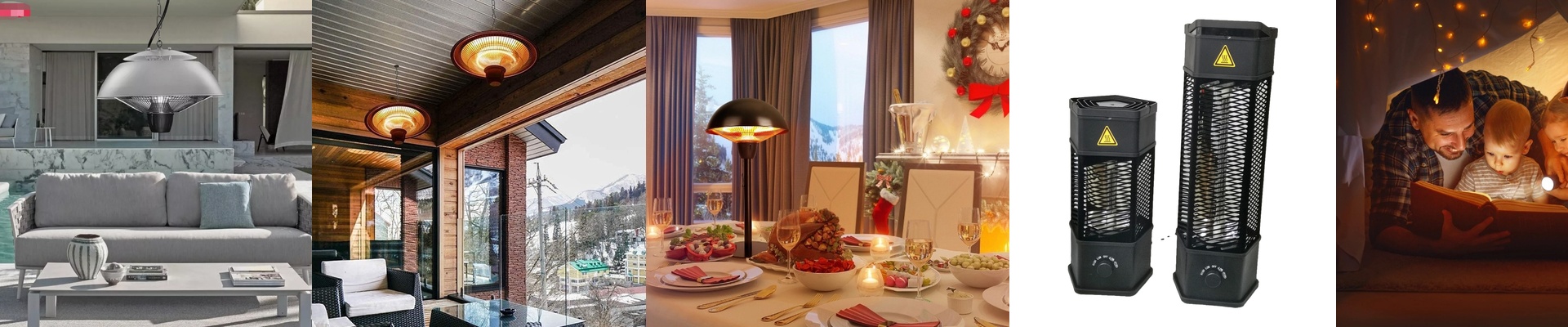
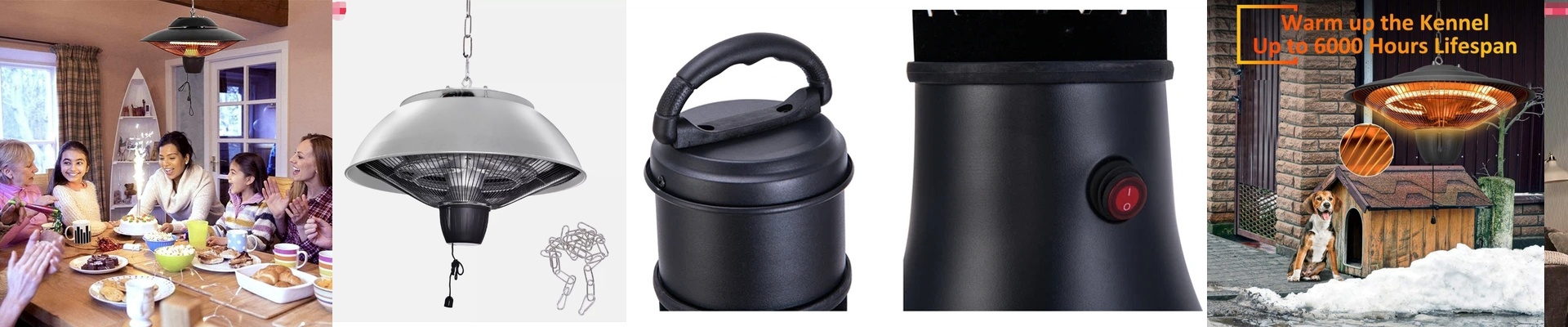
On a cold morning, you step outside and the air hits you before you even get the coffee poured. A regular heater tries to warm the air around it, but wind and drafts steal that heat fast. Infrared warmth works differently—it sends heat in a direct beam, hitting people and surfaces first. That’s exactly what a pyramid patio heater is built to do: deliver immediate radiant heat right where you stand, turning a shiver into a steady, comfortable routine.
What’s actually going on under the hood
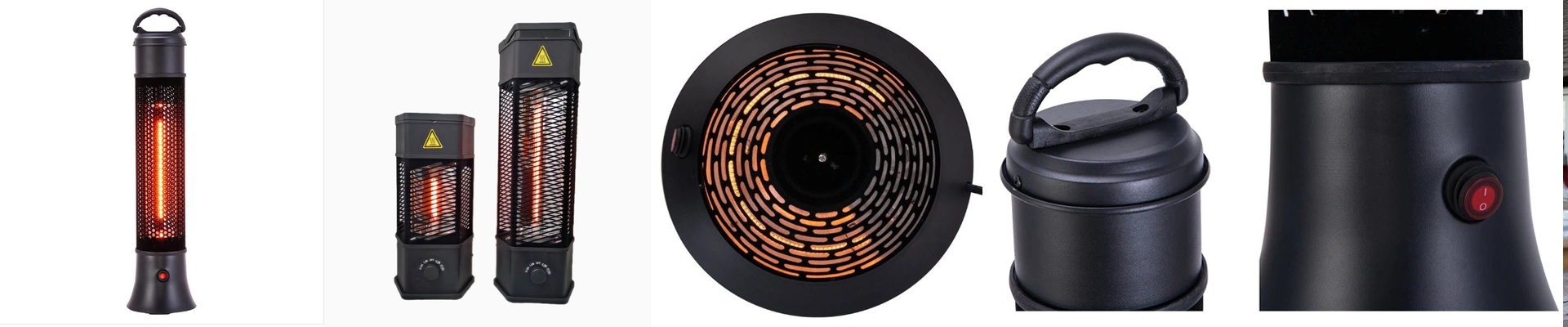
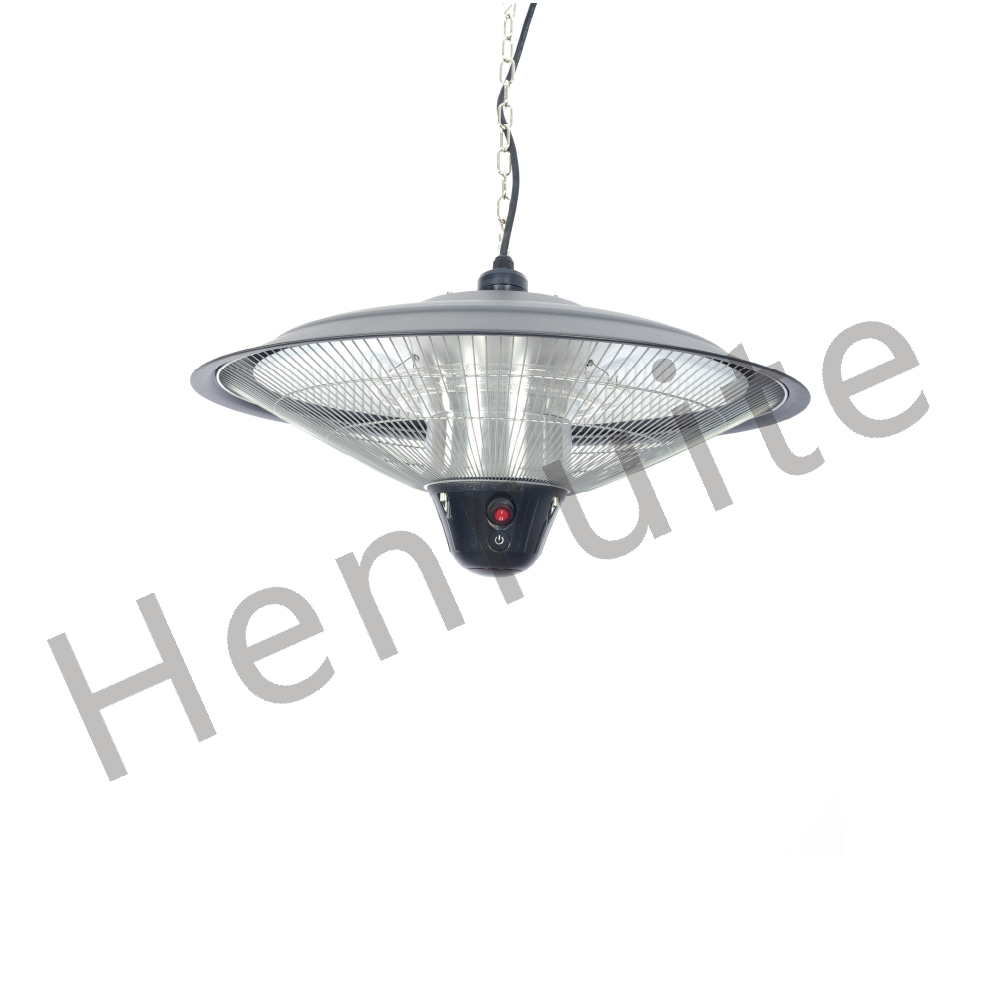
We build the pyramid patio heater around a high-efficiency infrared element—carbon fiber inside a sealed quartz tube. That setup produces long-wave infrared heat that pushes through the air with minimal loss, so you feel warmth seconds after flipping the switch. It’s engineered for outdoor use, with a stable, weighted base and tip-over protection for safety. The adjustable thermostat keeps output consistent, and the housing is finished to stand up to moisture and UV. In real life, you get focused heat where you need it, without waiting for the whole outdoor volume to warm up.
Why it makes sense for mornings (and evenings)
Mornings run better when things are predictable. With this electric heater, you get fast, directional heat that makes the first steps outside feel deliberate, not endured. The pyramid shape directs infrared warmth downward and outward, so you can set it near a seating area, a doorway, or a standing spot and feel the temperature climb right away. Because radiant heat warms people directly, you can run the heater at a lower air-heating setting than you might expect, which helps keep energy use in check. Come evening, that same quick response keeps conversation going and hands warm—no long wait, and no drafty heat that vanishes when the wind shifts.
The practical details that matter
Placement matters. Keep the heater at least 3 feet from combustible materials, and at least 6 feet away from people, pets, and objects. Always set it on a stable, level surface. It’s designed for outdoor and covered areas, but strong wind can cut effectiveness and increase heat loss, so a sheltered spot is your best bet. Use a grounded outlet, and if you need an extension cord, make sure it’s properly rated. Remember, infrared heat is directional—warmth is strongest inside the beam and noticeably less outside it.