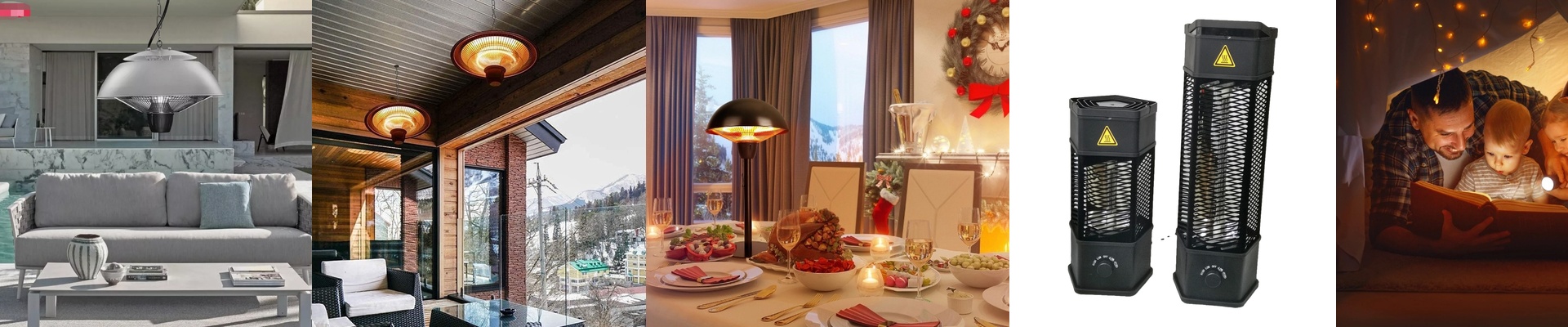
Stop Losing Money Every Time the Temperature Drops
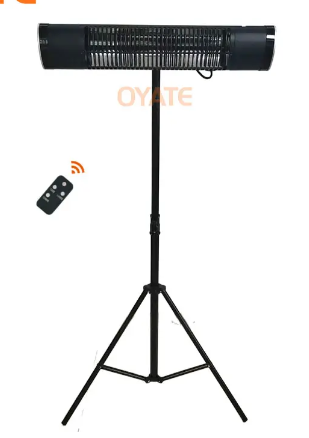
Let’s be honest: nobody wants to sit outside when it’s freezing. When the weather turns, those outdoor tables—the ones you paid for and the ones your customers love—just sit there empty. It’s a waste of space and a hit to your wallet. To fix this, you need heat that actually works, even when it’s raining or windy, and doesn’t blow a fuse the second you turn it on. That’s why we stick with IP65-rated infrared heaters.
Why “Heating the Air” is a Waste of Money
You’ve seen those standard space heaters. They try to warm up the air around them. But outdoors? The wind just carries that heat away instantly. You’re basically paying to heat the sidewalk. Our infrared units work differently. They send out waves of energy that travel through the air without warming it. The heat only happens when those waves hit something solid—like your guest or their table. It feels like standing in the sun on a crisp autumn day. You aren’t wasting electricity on the sky; you’re putting the warmth exactly where it belongs.
Built to Survive the Elements
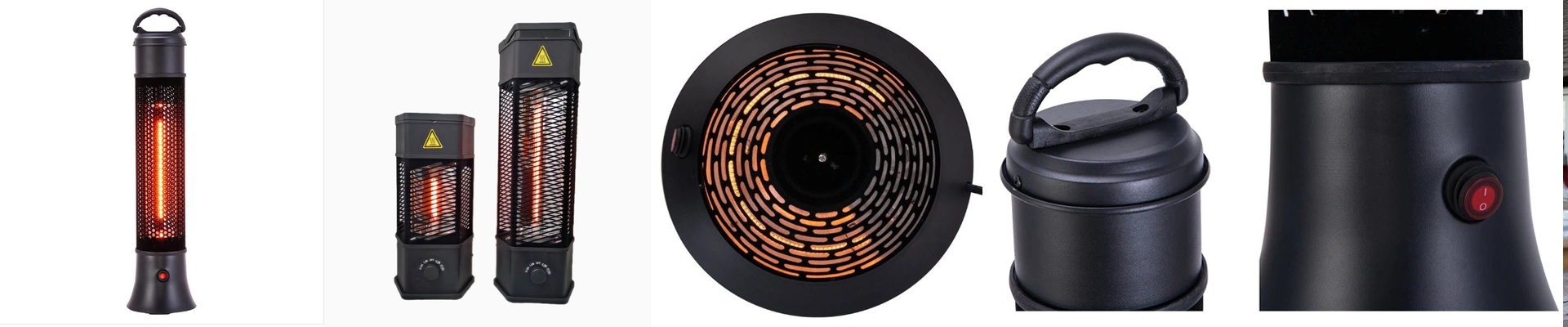
If you’re putting gear outside, it has to be tough. We use an IP65 rating because it’s the only way to be sure. The “6” means dust can’t get inside to mess with the electronics. The “5” means you can hit it with water from any angle and it’ll keep humming along. We also use alloys that don’t rust or pit, which is a lifesaver if you’re dealing with heavy humidity or salt air near the coast. Inside, we use quartz or carbon elements. These are fast. Really fast. There’s no waiting around for the unit to “warm up.” You flip the switch, and your guests feel the heat immediately.
Keeping the Tables Full
It comes down to how long people stay. If a guest is shivering, they’ll rush through their meal or, worse, decide not to sit outside at all. When you have a solid grid of these heaters, your patio stays usable all year. Your square footage effectively grows because you’re no longer at the mercy of the forecast. Just a heads-up on the power side: these units pull a lot of current. Before you install a whole array, make sure your outdoor electrical panel can actually handle the load. You don’t want your breakers tripping right in the middle of a Friday night dinner rush. Get the right conduits in place, and you’re set.