

Introduction
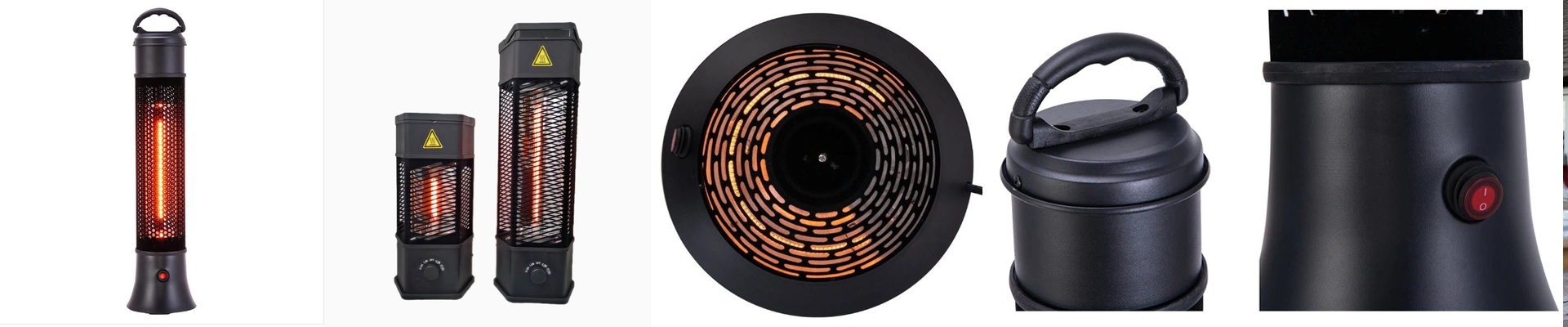
Here’s the thing about an infrared Bathroom heater: you’re not just buying a box that gets hot. You’re bringing in a sealed, tough little system that has to live in the worst possible environment—damp, humid, and corrosive. The real challenge? Keeping everything perfectly safe while packing in serious heat. It comes down to a smart, physical approach—the right materials and a design that keeps everything separated.
The Heart of It: Electrical Safety
When we talk about safety, we start with the electrical design. These heaters are built with reinforced insulation that meets double-insulation standards. That just means the live parts are completely isolated from the outer shell, so there’s no path for stray current. Inside, the wiring is rated for high heat and resists moisture. So even after months of 100% humidity, the insulation won’t break down. The payoff? The system stays electrically stable, and leakage stays way below safety limits.
The Physical Shield: Materials That Earn Their Keep
Electrical safety is one thing. The physical build is the second line of defense. We use a quartz envelope for the infrared element. Quartz handles sudden temperature changes better than glass, and it flat-out resists moisture. The front of the unit is sealed with tempered glass and a continuous silicone gasket. That builds an IP-rated seal that keeps water out. Even the connectors are tucked inside and isolated, so there’s no accidental contact. This sealed construction stops internal condensation—the usual culprit behind electrical failures in damp spaces.
Why This Works in a Bathroom
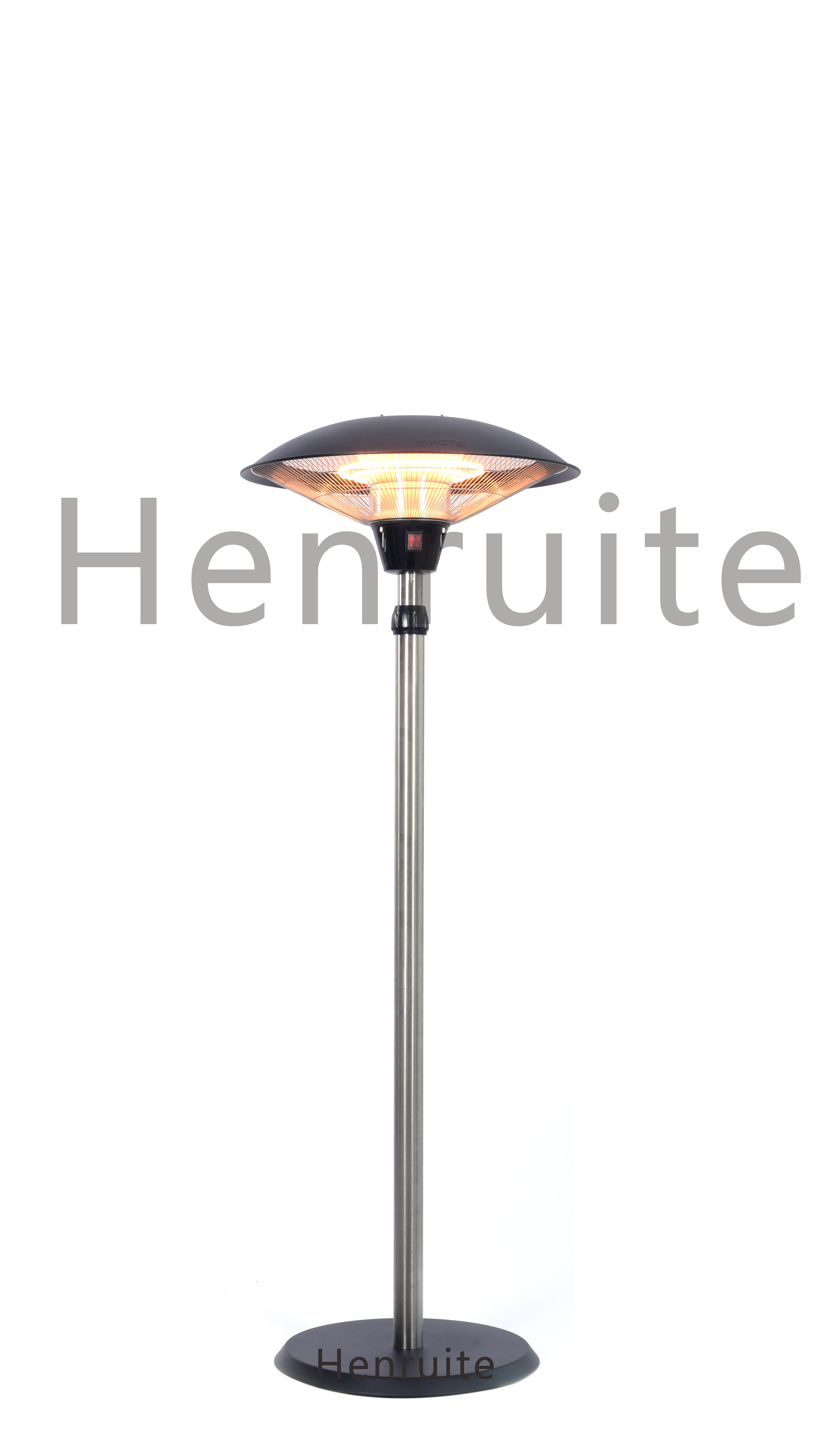
A bathroom is basically a constant assault on electronics. Our approach turns the infrared heater into a fully sealed heating unit. It gives you instant, directional warmth without heating the air. That helps cut down on condensation forming on walls, mirrors, and fixtures. And it’s a straightforward upgrade you can drop right into an existing setup. Now, the trade-off is heat density. This unit delivers intense warmth in a focused spot, so you just need to make sure the surrounding materials can handle the temperature. It’s a solid, code-compliant way to add heat—without the hassle of new ductwork and without gambling on electrical faults.