
Keeping Electrical Safety Solid, Even When It’s Damp
When we’re sizing up heaters for bathrooms or outdoor spots, the one thing we never cut corners on is electrical safety. That’s exactly why we lean on IP65 waterproof infrared heaters. They’re built for one simple promise: keeping electricity completely isolated, even when water is spraying straight at the unit or the air is soaked with humidity. Every piece—from the quartz tube to the wiring—is put together to stop any chance of current leaking out.
How It Stays Protected
Here’s the thing about these heaters: we build them with an electrical setup that keeps the heating element totally separate from the outer shell. That IP65 rating doesn’t just happen. It comes from a fully sealed body and a gasketing system that’s designed to block water from getting inside. So even after a direct blast from water jets, the heater keeps its electrical performance intact. You end up with a unit that can handle the soaked conditions of a busy commercial bathroom or a covered patio without tripping breakers or failing safety checks.
The Design That Does the Heavy Lifting
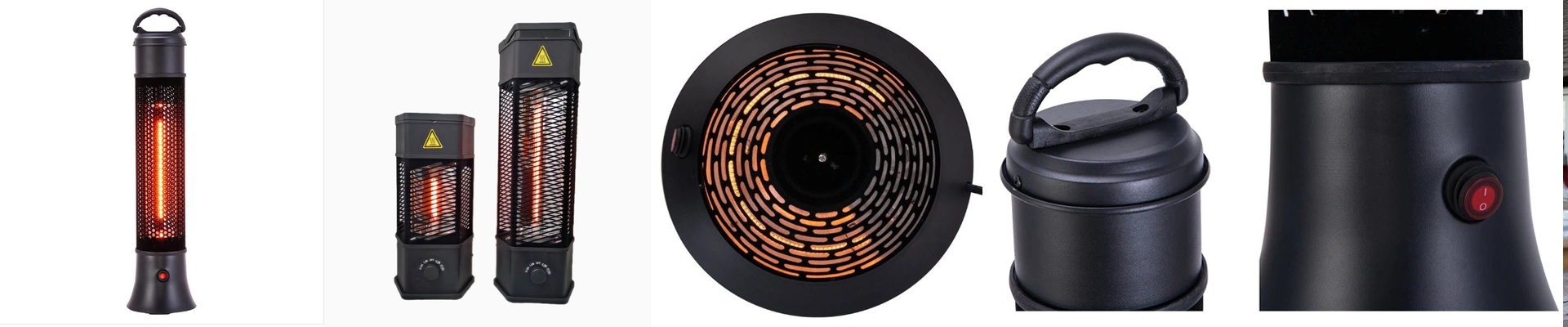
At the core of it all is the infrared heating element, usually a high-quality quartz tube. We use a dual-layer quartz build to create a solid barrier between the heating filament and everything outside. That design keeps the filament fully enclosed, so moisture can’t touch it. And the connectors? They’re industrial-grade, made to hold up through temperature swings and vibration without loosening or wearing out. This is the kind of heater you can drop in as a replacement and trust to handle the jolt of rapid on/off cycles without cracking.
What It Feels Like in the Real World
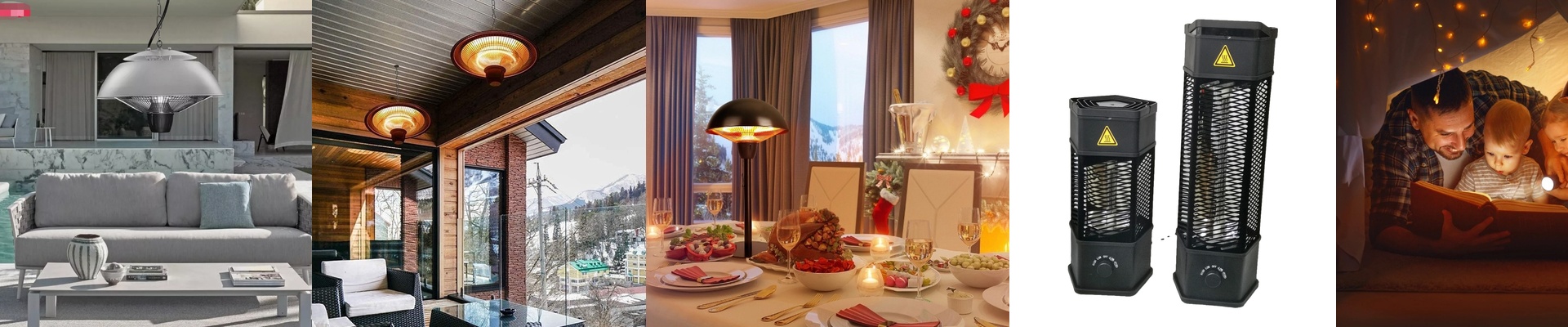
Step into a damp bathroom, and this heater throws focused warmth that doesn’t heat the air. That’s a big deal because it means less condensation. The IP65 seal does its job, keeping the electronics inside bone dry. Now, there’s one trade-off: heat density. A high-wattage unit delivers intense, targeted heat, but it needs the right mounting clearances and a ventilated enclosure to keep the surrounding temperature in check. For engineers, that translates to a dependable, low-maintenance option that clears the safety bars for wet locations.