

Why Mirror Infrared is the Way to Go for Your Bathroom
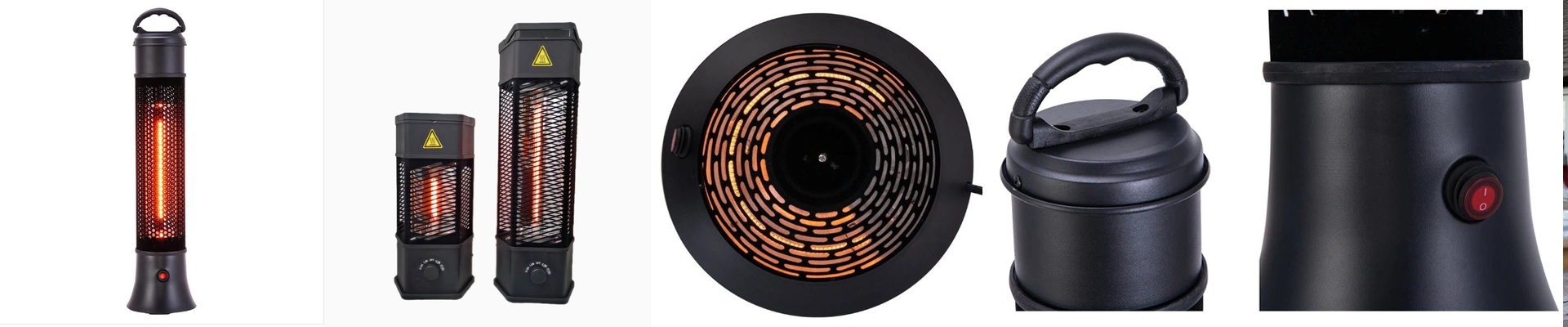
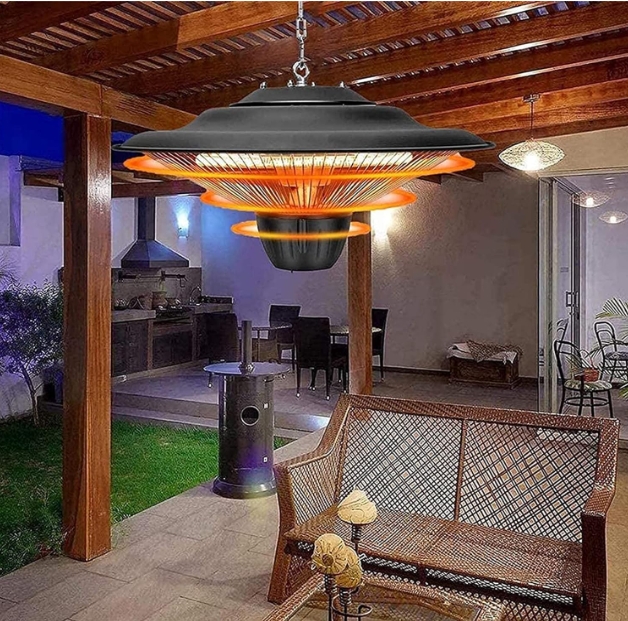
Ever noticed how those old-school warmth lamps just… don’t work? You turn them on, but the bathroom still feels damp and chilly. That’s because they try to heat the air, and in a steamy bathroom, that’s a losing battle. That’s why we’re moving toward mirror infrared heaters. Instead of fighting the humidity to warm the air, these go straight for the source. They heat you and the surfaces around you. It’s a completely different feeling. The Magic of the Mirror Here is the trick: these heaters have a reflective backing—either flat or parabolic. Without that mirror, a lot of the heat just drifts up toward the ceiling where it does nothing. The mirror pushes that warmth back down toward the floor. You get a much more concentrated beam of heat, which means you don’t need to crank up the wattage to feel cozy. It’s just more efficient. Built for the Steam Bathrooms are brutal on electronics. Between the splashes and the steam, things short out fast. We handle this by using sealed quartz glass tubes and housings that actually keep the moisture out. Inside, there’s a tungsten filament tucked into a halogen-filled tube. This lets the heater get really hot without burning itself out. One quick tip: check your wiring. If you’re installing a high-power unit, make sure your circuit breaker can handle that first big surge of power when you flip the switch. The Catch (and how to fix it) The best part? It’s instant. You hit the switch, and you feel the warmth immediately. No waiting around. But there is a trade-off. Because it’s a targeted beam, you get “cold spots.” If you step a foot to the left, you might lose the heat entirely. This is why you can’t just slap these anywhere. You have to think about your ceiling height and where you’ll actually be standing. Placement is everything. These are a huge upgrade over old lamps—they don’t trip your fuses nearly as often and they put the heat exactly where you want it. Just make sure to use a moisture-proof switch so your terminals don’t corrode over time.