Making Your Patio Heaters Actually Smart
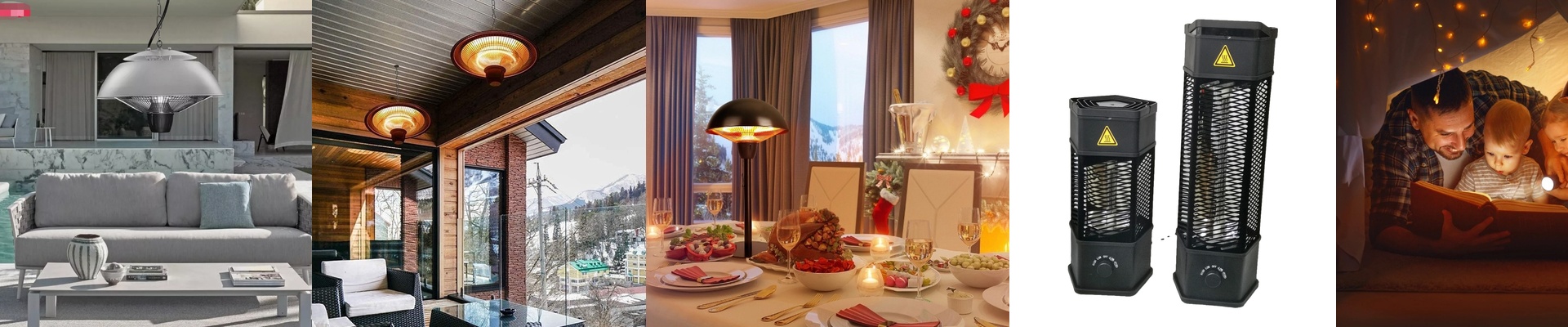
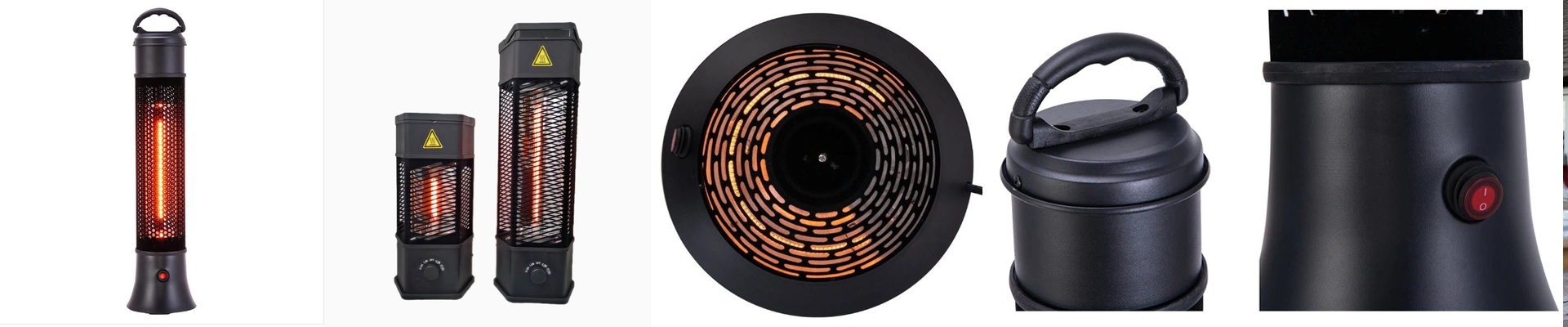
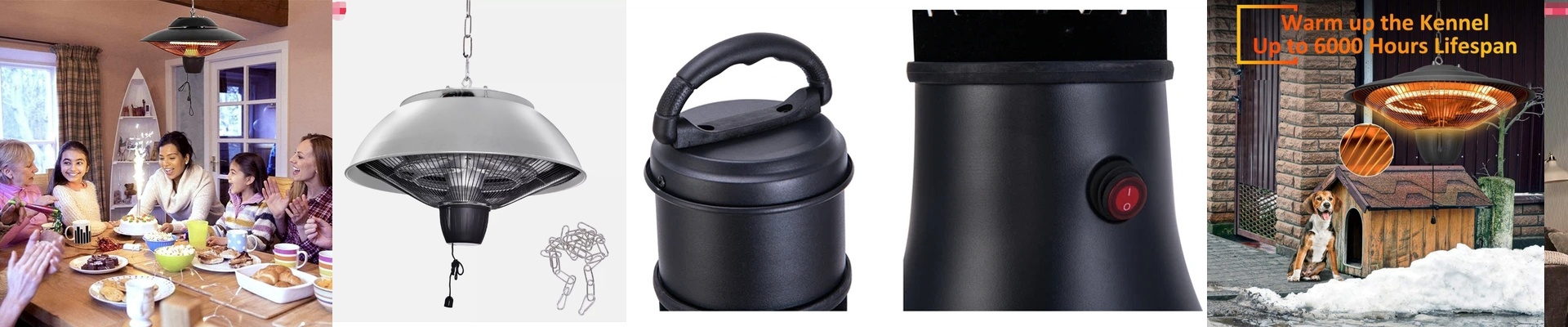
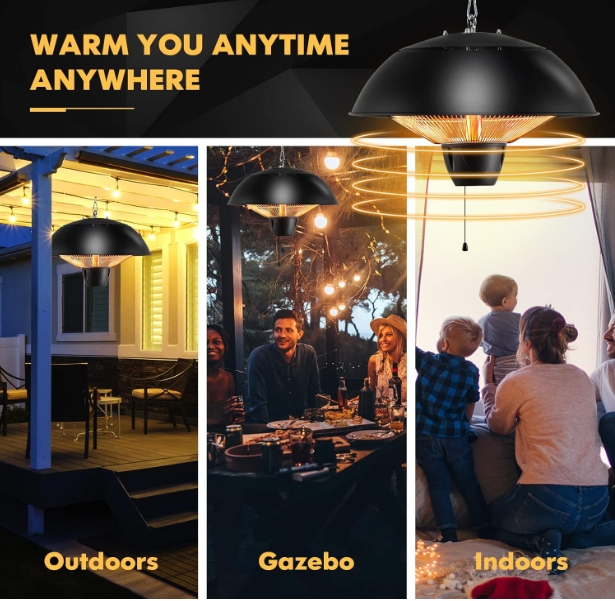
We build our waterproof patio heaters using short-wave infrared tech. Here is why that matters: most heaters try to warm up the air around you, which is a waste because the wind just blows it away. Ours work differently. They send heat directly to your skin and your clothes. It feels like stepping into a patch of warm spring sunlight, even when it’s freezing outside.
How the “Smart” Part Works
If you want to turn your heaters on with one click from your phone, we just tuck a Wi-Fi or Zigbee relay into the power circuit. This lets the heater chat with your smart home hub. When you tell your voice assistant to turn them on, the relay snaps shut and sends power straight to the elements. There’s no waiting around. No humming fans. No waiting for a coil to slowly glow red. Because it’s infrared, the heat hits you almost instantly. It’s pretty incredible.
Built for the Elements
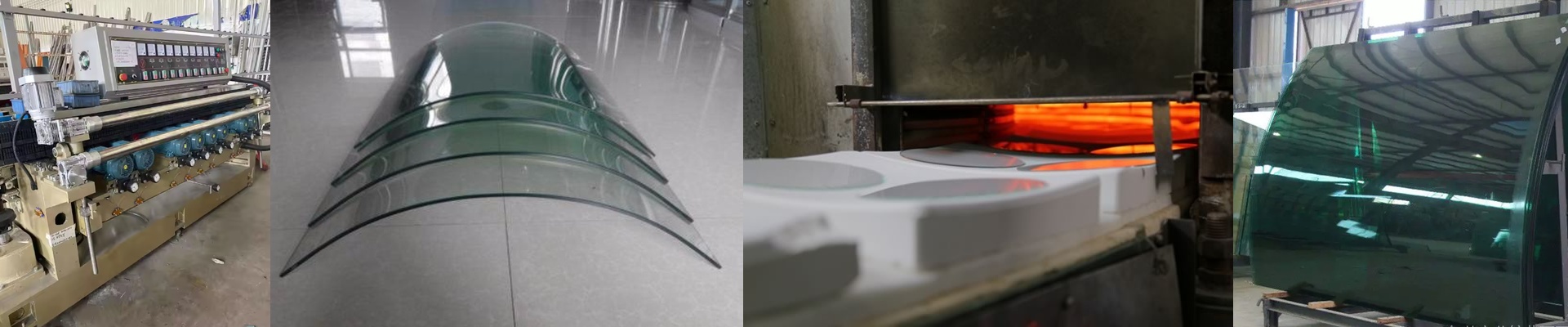
Outdoor gear gets hammered. Rain, humidity, salt air—it’s a lot. That’s why we use IPX4-rated housings to keep the guts of the machine dry. We also wrap the heating elements in quartz glass or a special corrosion-resistant coating so they don’t just burn out the moment the weather gets nasty. But a word of caution:watch your power load. These things pull a lot of juice—usually between 1500W and 2500W. If you try to cram too many heaters onto one smart relay, you’re going to trip a breaker or, worse, melt your switch. Do yourself a favor and run dedicated circuits for your high-heat areas.
A Few Real-World Trade-offs
Adding smart tech makes things convenient, but it adds a bit of bulk to the setup. And here’s the thing about “auto-heating” sensors: they aren’t perfect. A sudden gust of cold wind can trick the sensor into thinking it’s freezing, kicking the heaters on when you don’t actually need them. That’s why we still put a manual override switch on the unit. Because sometimes the Wi-Fi drops or the app glitches, and you just want the heat onnowwithout fighting with your phone.