
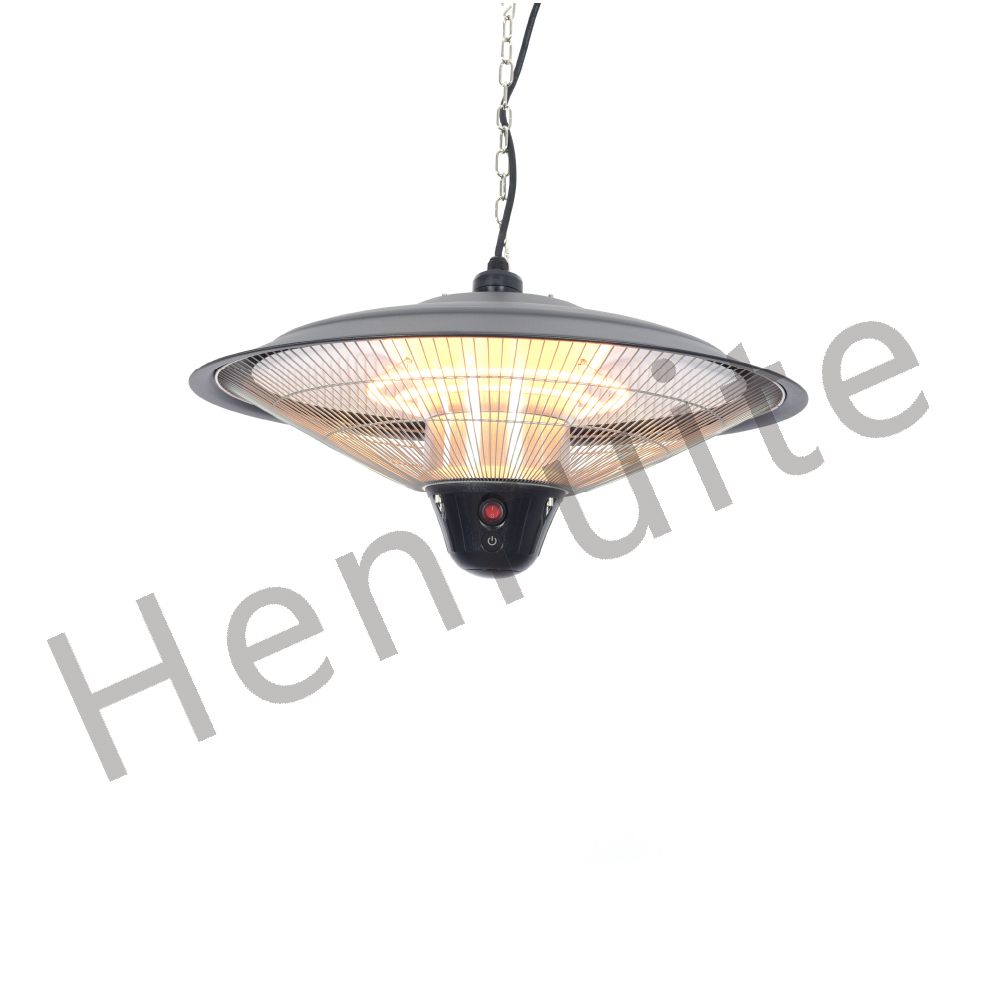
Why Your Bathroom Heater Shouldn’t Explode
If you’ve ever put a heater in a bathroom or a steamy sauna, you know the biggest nightmare is water hitting hot glass. Most standard infrared lamps just can’t handle it. One stray drop of cold water hits a tube running at 600°C, the glass snaps from the shock, and boom—you’ve got a short circuit. Not exactly the “relaxing” vibe you’re going for. The secret is in the quartz. We use explosion-proof quartz because it doesn’t freak out when the temperature swings. Standard quartz expands and shrinks too fast, which is why it cracks. This specialized stuff is built to take a beating. It handles those sudden cold splashes without shattering into a million pieces. But the glass is only half the battle. You’ve probably seen “IP65” on the box. In plain English? It means the housing keeps the dust out and stops water jets from getting inside. We don’t just wrap the lamp in a shell; we obsess over the connection points. That’s where most “safe” heaters actually fail. By keeping the electrical junctions far away from the moisture, we stop those scary electrical arcs before they even start. A quick heads-up on the installation. The best part about high-density infrared is that it’s instant. You flip the switch and you’re warm. No waiting around for the air to heat up. But keep this in mind: these things gethot. If you mount them too close to plastic trim or cheap fixtures, you’re going to warp your walls. Make sure your brackets are actually rated for the wattage you’re using, otherwise, you’ll notice the whole thing starting to sag over time. And please, do yourself a favor: wire it into a dedicated GFCI outlet. Think of the quartz tube as your last line of defense against a break, but the GFCI is what saves your skin if there’s a power surge.