Stop Heating Your Ceilings
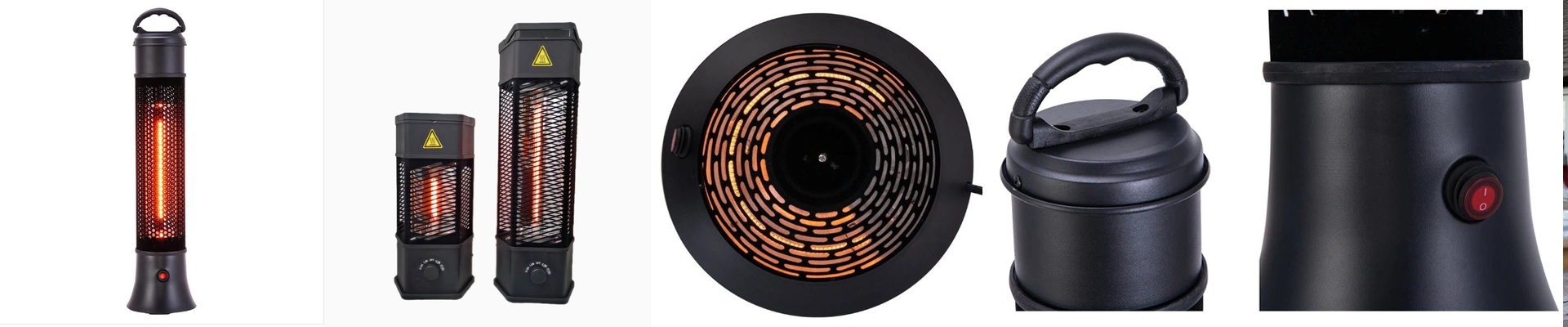
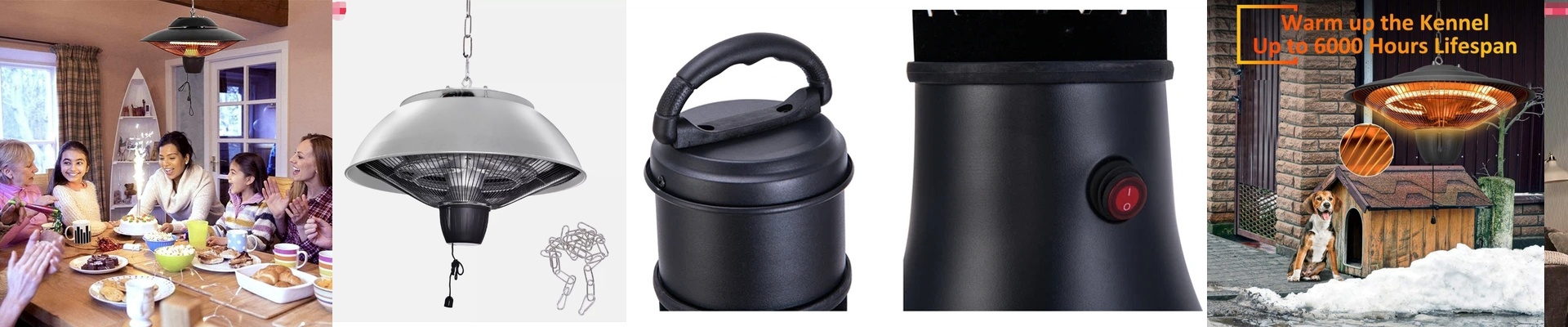
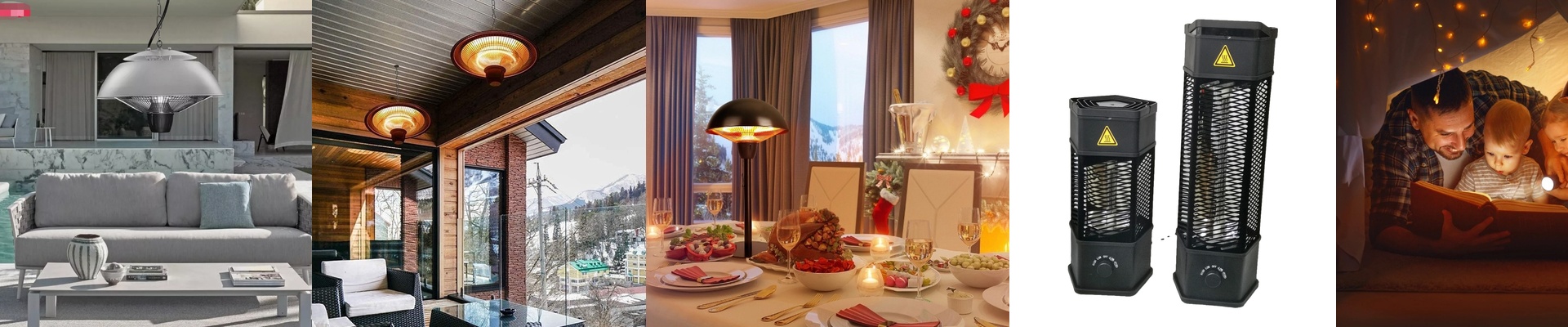
Ever walked into a locker room or a changing area with those massive, soaring ceilings and felt a chill hit your bones? It’s a classic problem. Most heating systems just blow hot air around. But since heat rises, all that expensive warmth just hangs out at the ceiling while you’re shivering on the floor. We do things differently. Instead of fighting the air, we use shortwave infrared (IR) emitters. Think of it like the sun. The sun doesn’t heat the air in space—it just warms your skin the moment you step outside. That’s exactly how this works. It sends energy straight to the people and the benches, skipping the air entirely. That “Instant” Feeling The best part? It’s fast. Really fast. The second you flip the switch, the emitters are ready to go. There’s no waiting for a furnace to kick in or ducts to warm up. You feel a deep, cozy warmth the moment you walk through the door, even if the room itself is still cool. It feels like a luxury hotel experience, and it happens in seconds. Getting the Setup Right Now, when you’re dealing with high ceilings, you can’t just put up a standard heater. Physics gets in the way—the further away the heater is, the weaker the heat feels by the time it hits the floor. To fix that, we use high-wattage arrays. We pair them with heavy-duty reflectors that basically “aim” the heat downward, keeping it concentrated right where people actually are. One quick tip: just make sure your electrical panel can handle the initial surge. You don’t want to be tripping breakers right during the morning rush when everyone is trying to get ready. The Trade-off Here is the honest truth: these systems are a dream to install. You don’t have to rip open walls or mess around with bulky HVAC ducting. It saves a ton of space and money. But, you have to be smart about where you put them. Infrared creates “zones” of heat. If you’re standing right under the emitter, you’re toasted. If you step a few feet away, you’ll feel the drop. That’s why we spend a lot of time mapping out the placement. We want to make sure there aren’t any random “cold spots” where someone is left shivering while their neighbor is roasting.