
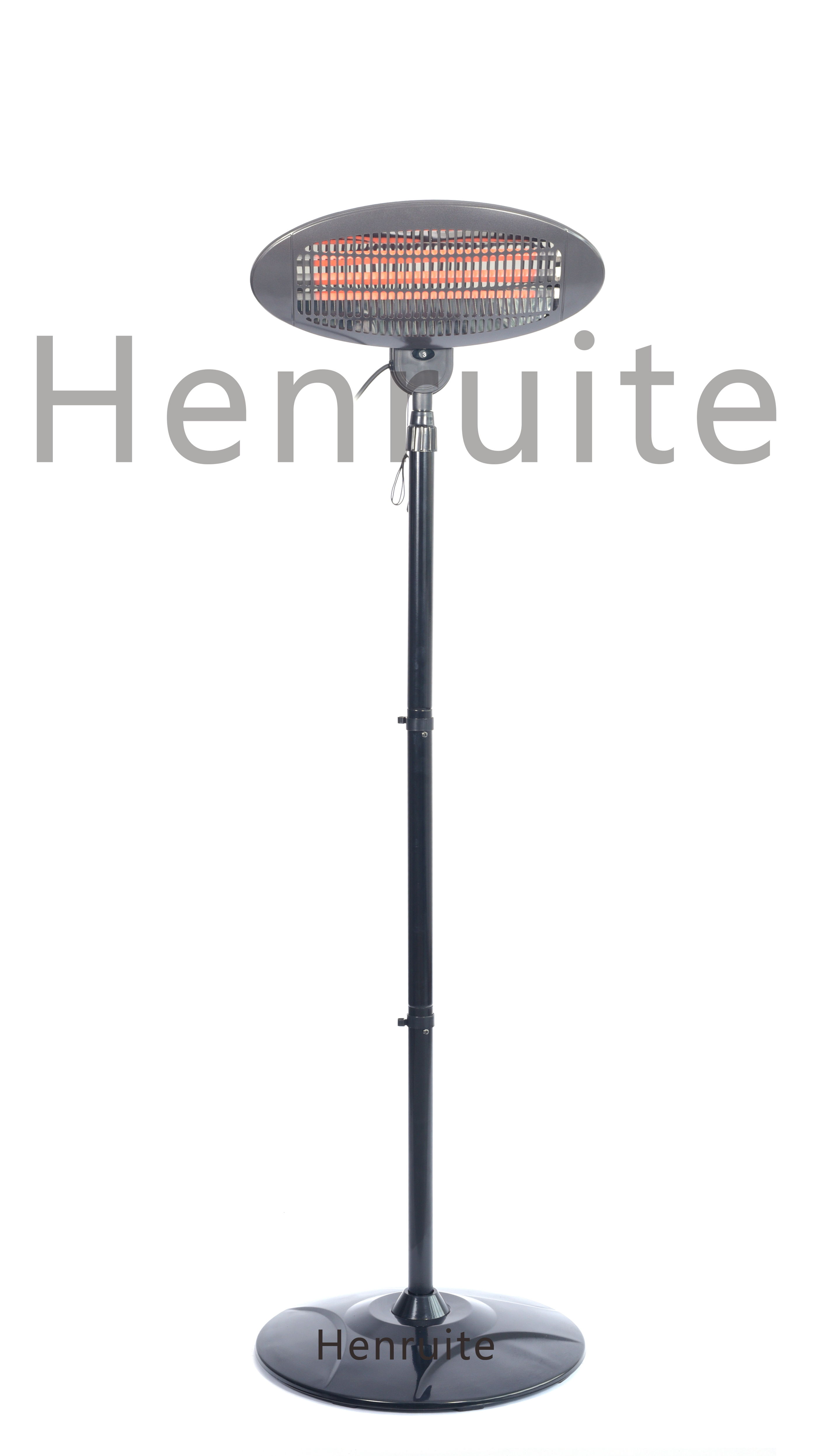
Why Most Bathroom Heaters Die (And How We Fixed Ours)
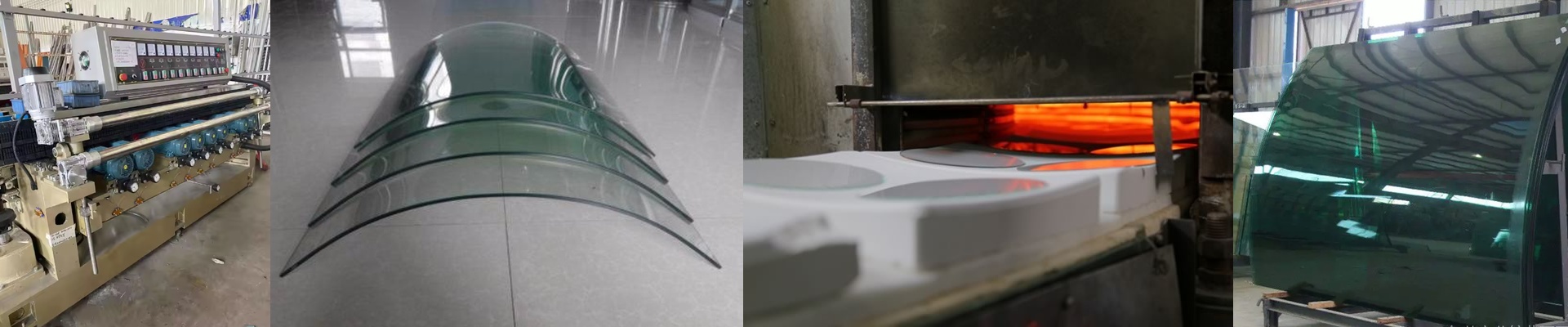
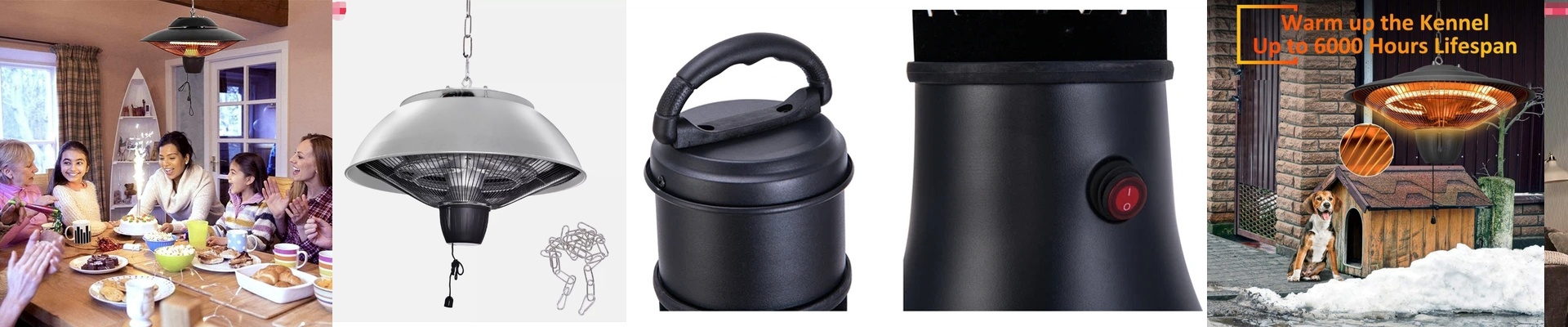
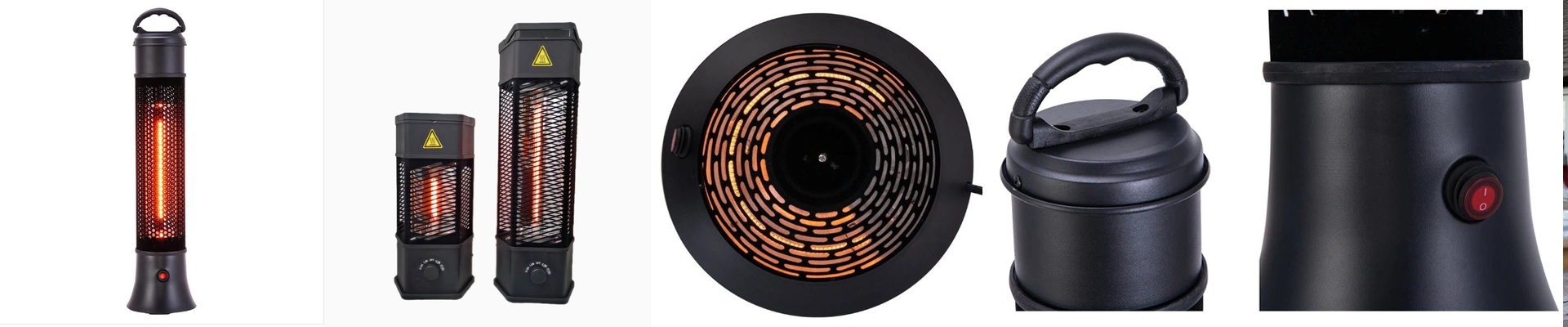
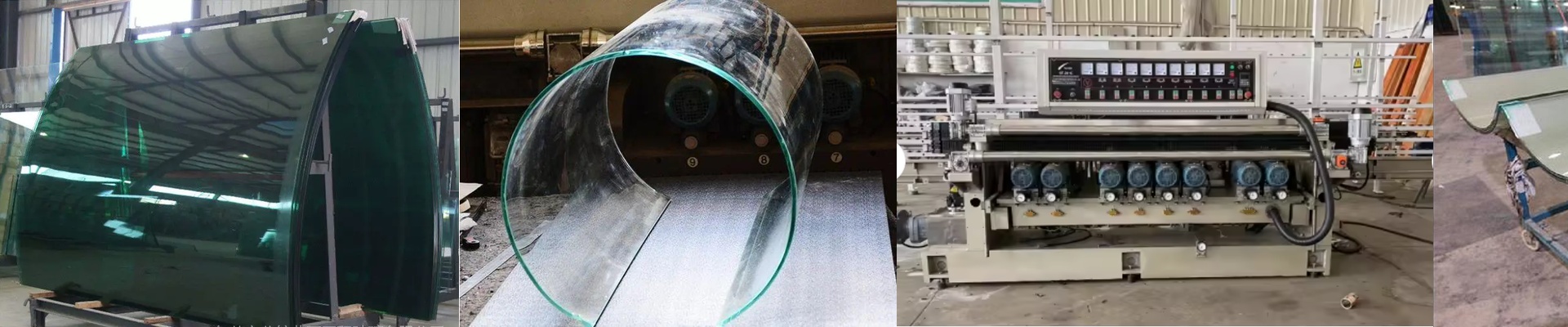
Let’s be honest: bathrooms are a nightmare for electronics. You’ve got thick steam, random water splashes, and that brutal swing from freezing cold to boiling hot every time you shower. If the internals aren’t sealed tight, moisture just crawls into the electrical contacts. Once that happens, you get oxidation, short circuits, and a heater that quits right when you actually need it. Keeping the water out Here’s the thing about steam. It doesn’t just sit there; it finds every tiny gap in the casing. In cheap heaters, that vapor settles on the lamp the second you turn it off. It creates a little path for electricity to leak where it shouldn’t. Not great. We solved this by focusing on the seal. We used silicone gaskets and hydrophobic coatings—basically, stuff that makes water hate the surface—to keep droplets far away from the terminals. No more “burn outs” or those nasty electrical arcs that fry a unit in six months. Picking materials that actually last We went with high-purity quartz glass for the heating element. Why? Because standard glass cracks when the temperature jumps too fast. Quartz just handles the shock. And because nobody likes a crusty, fogged-up heater, we added a slick outer coating. It stops minerals from sticking to the tube. Instead of water evaporating and leaving behind those white calcium spots—which can cause “hot spots” and crack the glass—the water just beads up and rolls off. The trade-off Now, there is a catch. When you seal something this tightly, the heat has nowhere to go. If we left the control board right next to the heating element, it would cook itself. To fix that, we moved the PCB (the brain of the unit) away from the heat zone. This means the chassis is a little bit larger than some of the tiny, flimsy options out there. But in exchange, your heater doesn’t melt from the inside out. One last thing: please, for the love of everything, use a GFCI breaker. We’ve built in plenty of splash protection, but you’re still dealing with high current in a wet room. Safety first.