

Why we’d rather fix your heat problem than just sell you a part
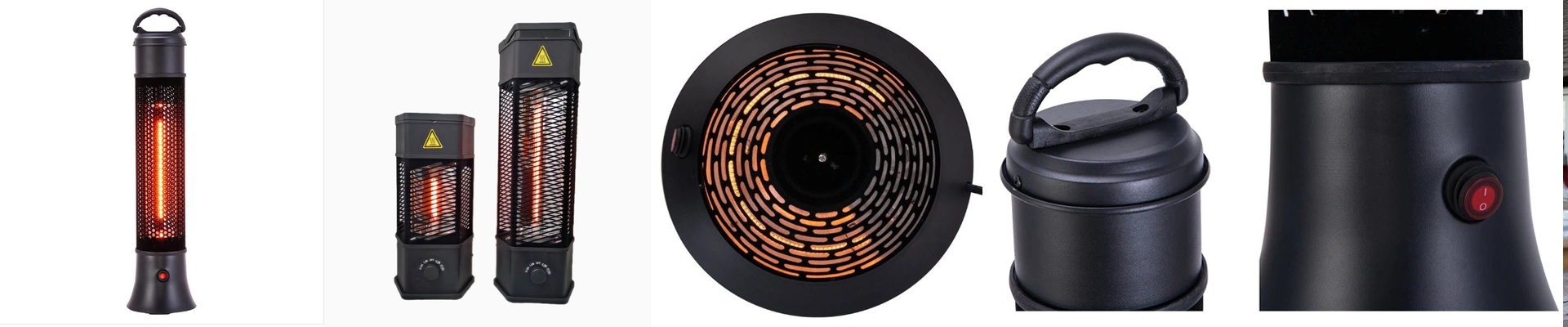
Ordering a clear quartz infrared tube by a part number is basically a gamble. A lot of engineers treat these things like lightbulbs—you just swap them out and move on. But here’s the thing: a tube is only as good as the environment it’s sitting in. That’s why we prefer to actually look at your heat load and power distribution before we ship you a replacement. The deal with clear quartz We use clear quartz because it lets short-wave and medium-wave radiation pass right through. No filters, no fuss. The energy hits your target directly, which means your ramp-up times are fast. Really fast. But there’s a catch. That heat is incredibly concentrated. If your reflectors are pitted or just slightly out of alignment, you aren’t actually getting the wattage you paid for. You’re just cooking the filament until it burns out. It’s more than just numbers on a page Voltage and wattage aren’t just specs on a datasheet. They create a physical footprint. If you cram a high-wattage tube into a tight housing without the right airflow, you’re going to melt your plastic mounts or fry your wiring. It’s a mess. We look at the distance between the tube and your workpiece, too. If the gap is too wide, the energy just vanishes into thin air. Too close? You’ll get hot spots and end up warping your material. Where things usually go wrong I’ve seen way too many “drop-in replacements” fail. Usually, it’s because someone ignored the connector tolerances or forgot that quartz actually expands when it gets hot. If your mounting brackets are clamped too tight, that tube is going to snap the very first time it heats up. We aren’t interested in just moving boxes. We want to make sure your setup is actually dialed in for the heat you need. It’s the difference between just keeping a machine limping along and actually cutting down your cycle time.