

Stop Fighting Your Ceiling Heaters
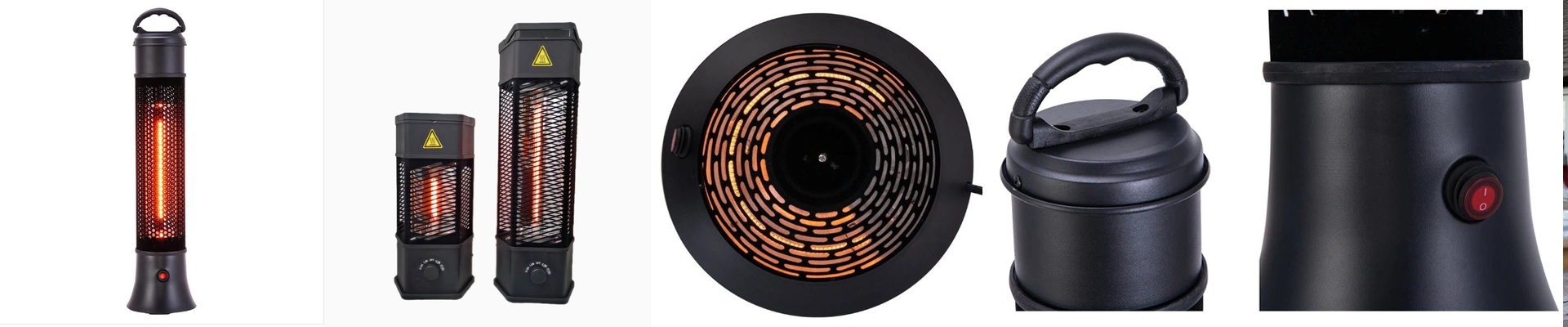
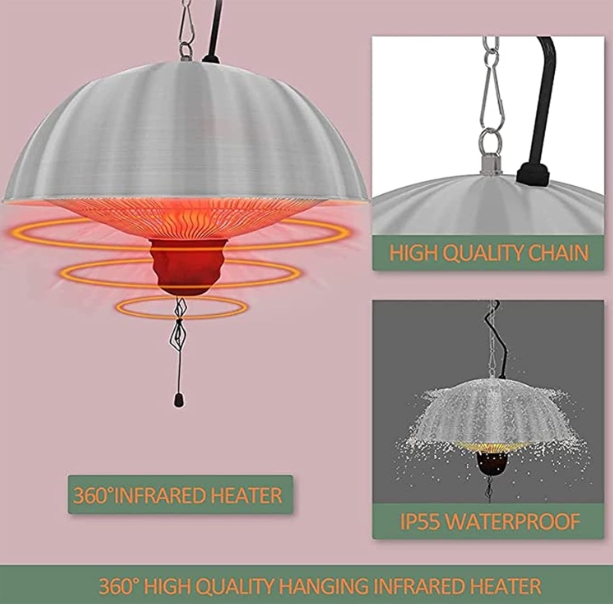
Most workshop heaters are the kind of thing you install once and then completely forget about—right up until a heating element pops. In a big industrial shop, that’s where the nightmare starts. Replacing one single tube usually means ripping apart the housing or spending hours rewiring the whole array. It’s a mess. It’s a waste of time. And frankly, it’s a headache nobody needs. That’s why we built our infrared modules differently.
The “Plug-and-Play” Way
We went with a modular setup. Instead of hard-wiring every single tube into one giant, confusing terminal block, each element has its own removable chassis. Here’s how it actually works in the real world: Let’s say a tube gives out after five years of heavy abuse. You don’t have to panic or rethink your entire heating strategy. You just pull the dead module out and slide a new one in. Simple.
No Special Tools, No Drama
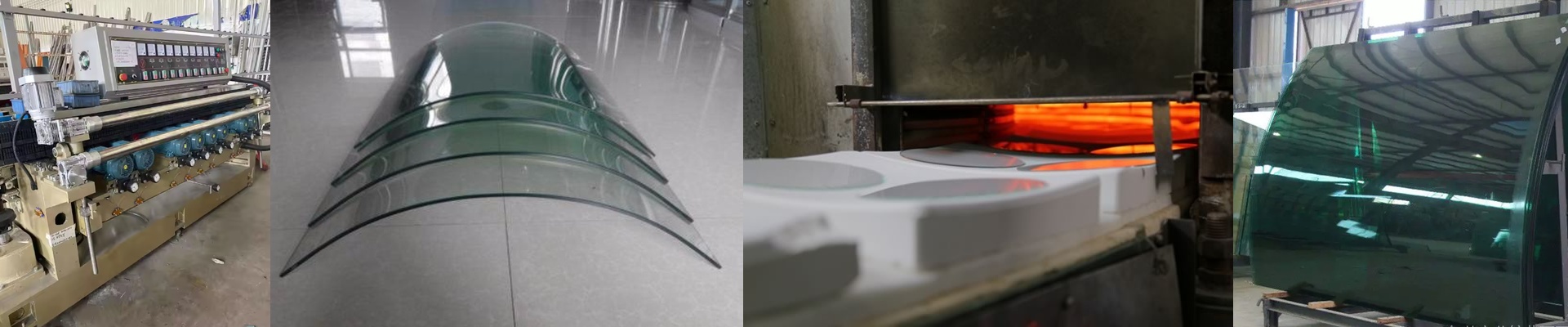
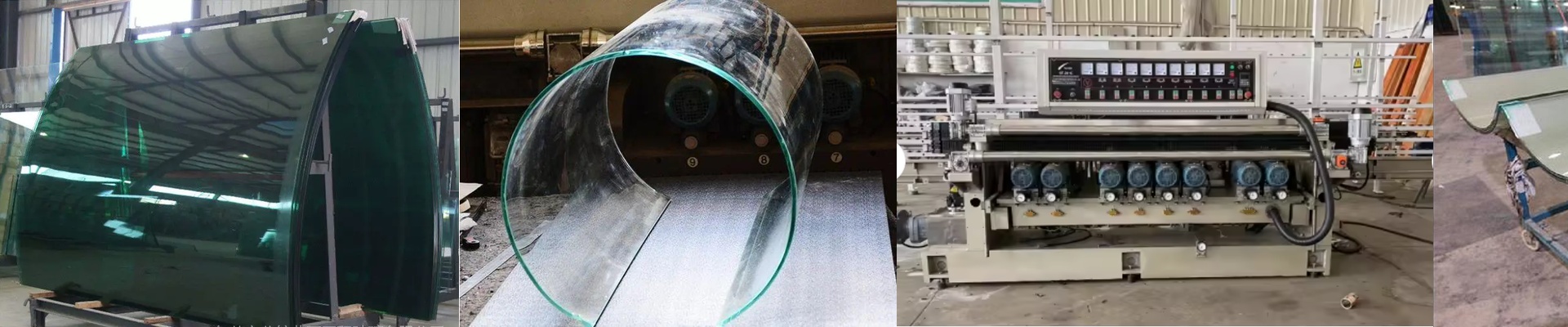
We kept the technical side dead simple. We used standardized connectors because, let’s be honest, nobody wants to hunt for a proprietary screw or a weirdly shaped wrench in the middle of a cold morning. Because of the clip-in system, a technician can swap a burnt-out tube in under ten minutes. And the best part? You don’t have to kill the power to the entire workshop grid just to fix one light. We also wrapped the quartz glass in a protective housing. Sure, it adds a little bit of weight to the ceiling mount, but it’s worth it. It means one accidental bump from a ladder or a piece of equipment won’t shatter your whole array.
Let’s Be Honest About Maintenance
Look, no heating element lasts forever. It’s just physics. Eventually, the filaments degrade. Our modular approach does take up a few more inches of ceiling space than those slim, integrated strips. But we think that’s a fair trade. You lose a tiny bit of room, but you gain the ability to fix things without calling in a full electrical crew to rewire your ceiling. When you hit that five-year mark, you aren’t looking at a massive bill to replace the whole system. You’re just replacing a few tubes. It turns a stressful “capital expense” into a quick Saturday morning chore.