

Keeping Bathroom Infrared Heaters Safe (And Dry)
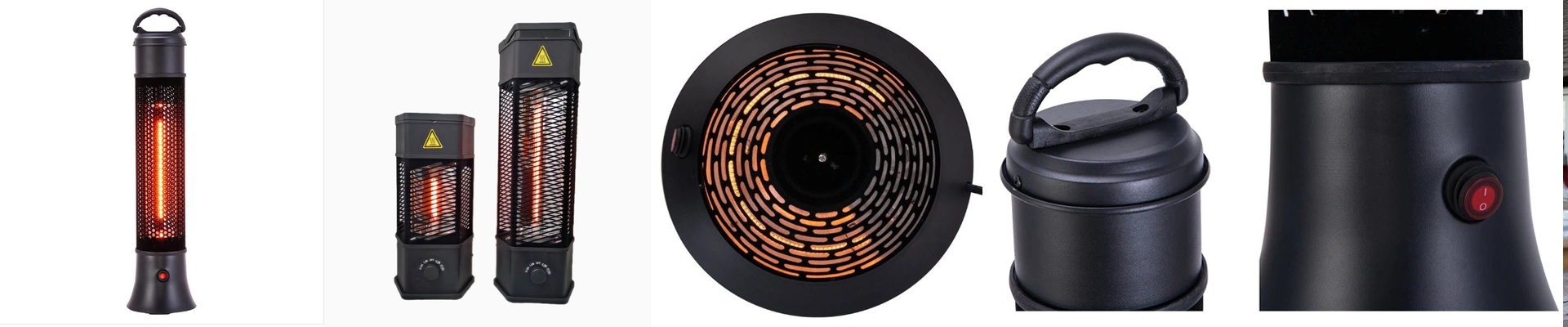
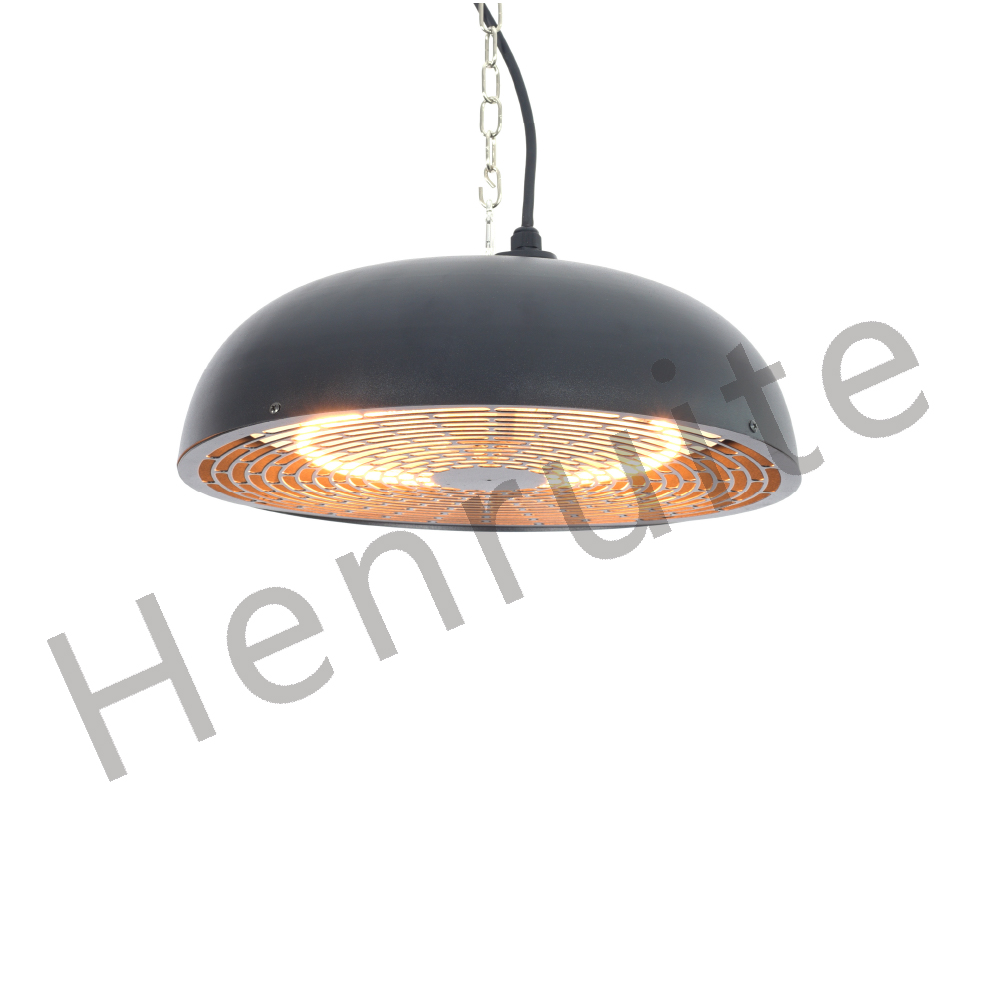
Putting infrared lamps in a bathroom is a bit of a gamble if you don’t do it right. You’ve got steam everywhere and water splashing all over the place. The last thing you want is someone standing barefoot on a wet floor while a heater decides to leak electricity. It’s a nightmare scenario. To make sure these things are actually safe, we spend most of our time obsessing over where the power supply meets the heating element. That’s where things usually go wrong.
Dealing with the Damp
Here’s the thing: water kills insulation. It just eats away at the resistance. That’s why we go with high-grade quartz glass for the outer shell. It doesn’t soak up moisture like other materials do. But the real danger? The end caps. If moisture creeps into the filament chamber, you’re asking for trouble. We use ceramic-to-metal seals to lock those electrodes down tight. If you use a standard terminal and water hits it, you’ll get an arc. To stop that, we stick with housings rated IPX4 or higher. It basically means the guts of the machine are shielded from direct sprays.
Grounding and the Right Parts
You can’t cut corners on the grounding. We bond the outer chassis directly to the earth. Why? Because if a lead burns out or a seal finally gives way, we want the breaker to trip immediately. We don’t want the outer casing becoming “live.” And please, stay away from cheap plastic connectors. They’ll warp the second things get hot. We use terminals that can handle the heat and the humidity without twisting or melting.
The Trade-offs
There’s a catch, though. These lamps get incredibly hot. When you wrap one in a waterproof housing to keep the steam out, you’re also blocking the airflow. This traps all that heat right around your wiring. If you use standard PVC wiring, it’ll melt and short out in a few weeks. It’s just not built for that. Instead, we use high-temperature silicone or PTFE insulation. It can take the heat without turning into a puddle. One last thing—make sure your GFCI is actually rated for the heater’s load. When you’re working in a wet environment, a fast-acting breaker is the only thing standing between a minor glitch and a major accident.