

Stop the Chips: Why IR Preheating is a Lifesaver for Laser Glass Cutting
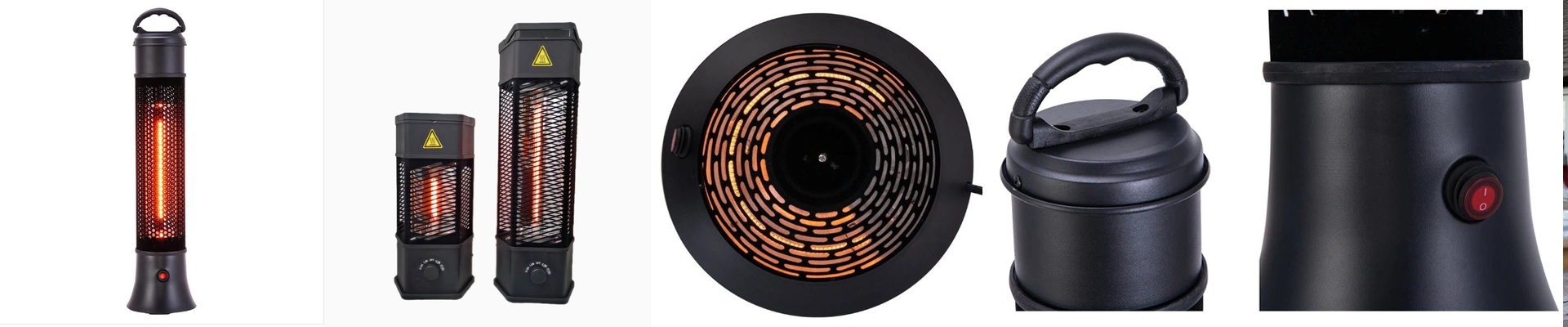
Glass is stubborn. It’s brittle, and it doesn’t like surprises. When you hit a cold sheet of glass with a high-energy laser, you’re creating a massive temperature jump in a split second. The focal point is scorching, but the rest of the glass is cold. That tension creates internal stress that eventually snaps. The result? Tiny micro-cracks and those annoying “chips” or breakouts right at the corners. It’s frustrating, and it ruins a perfectly good piece. The secret is to warm it up first. We use infrared (IR) support heaters to get the glass surface temperature up before the laser even touches it. Think of it like warming up your muscles before a workout. By narrowing that temperature gap, you stabilize the material. It stops the glass from panicking and shattering under the sudden heat of the laser. We usually go with shortwave IR lamps. They’re great because they punch through the surface quickly, putting the heat exactly where the cut is about to happen. It cuts down the chipping rate significantly. Getting the balance right You can’t just blast the glass with heat and hope for the best. You need a heater that reacts fast and hits a specific sweet spot—usually somewhere between 150°C and 300°C. But here’s the catch: if you go too far, you’ll actually distort the glass or cause it to expand unevenly. It’s a balancing act. You’ll want to tune your PID controller to your conveyor speed so the preheating stays consistent as the glass moves. A few things to watch out for in the shop Alignment is everything. If your IR lamps are even slightly off-center, the heat zone won’t overlap the laser path, and you’ll end up with inconsistent edges. It’s a pain to fix later, so get it right the first time. Also, keep in mind that these high-wattage lamps get hot. Really hot. If you don’t spec out some decent cooling fans or heat shields, you’re going to bake your sensors and fry your wiring. Nobody wants to deal with a melted cable in the middle of a production run.