

Stop Fighting With Your IR Tube Replacements
When a short wave infrared tube burns out, the wattage is rarely the problem. The real nightmare? The fit. There is nothing worse than getting a replacement part only to realize the connector doesn’t line up with your housing. Suddenly, you’re staring at hours of unplanned downtime or a massive bill for machine modifications just to make a simple part fit. We’ve been there. That’s why we obsess over the interface.
Just Slide It In
We believe a replacement should be a “drop-in.” Period. Whether you’re dealing with standard spiral heads or some weird, custom interface, our tubes are built to match your current footprint. You shouldn’t have to spend your afternoon rewiring a control cabinet or welding new brackets. You just pull the dead tube out and slide the new one in. Simple.
The Heat problem
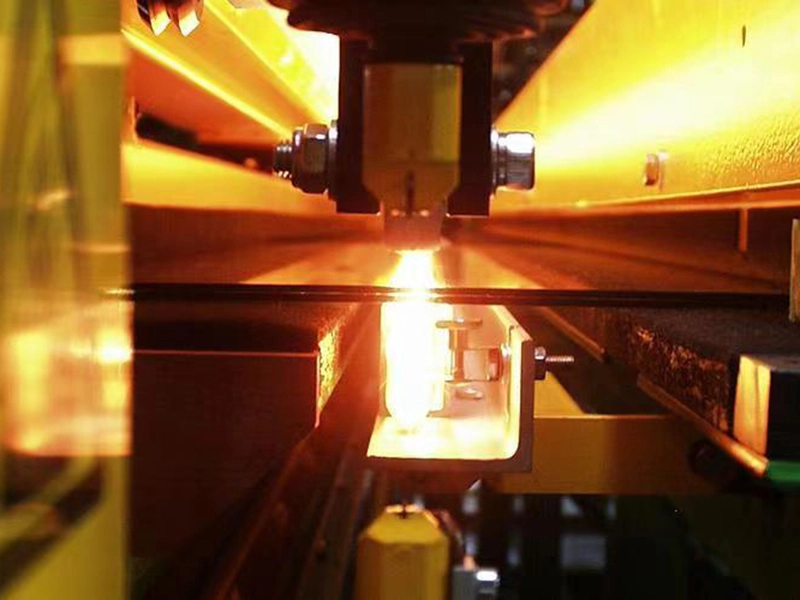
Short wave tubes are beasts. They pack an incredible amount of heat into a tiny space, which is why they’re so great for PET blowing or curing. But there’s a flip side. All that power creates an intense thermal load right at the termination points. If your connectors aren’t up to the task, they’ll oxidize or—even worse—melt right off. To stop that from happening, we use high-temperature alloys and sockets that actually fit tight.
Getting It Right in the Field
The faster you can get a tube installed, the less likely you are to accidentally crack the quartz envelope. It’s a fragile bit of gear. Plus, a secure fit keeps the tube from rattling. Vibration is a silent killer for filaments; if it shakes, it breaks. We can handle whatever voltage or length your power supply needs. Just a quick heads-up: if you decide to bump up the wattage during an upgrade,**double-check your fuses and wire gauges.**A higher-power tube pulls more current. If your wiring is too thin, it’s going to overheat, and that’s a problem nobody wants.