
Stop Fighting Bathroom Mold With Just a Fan
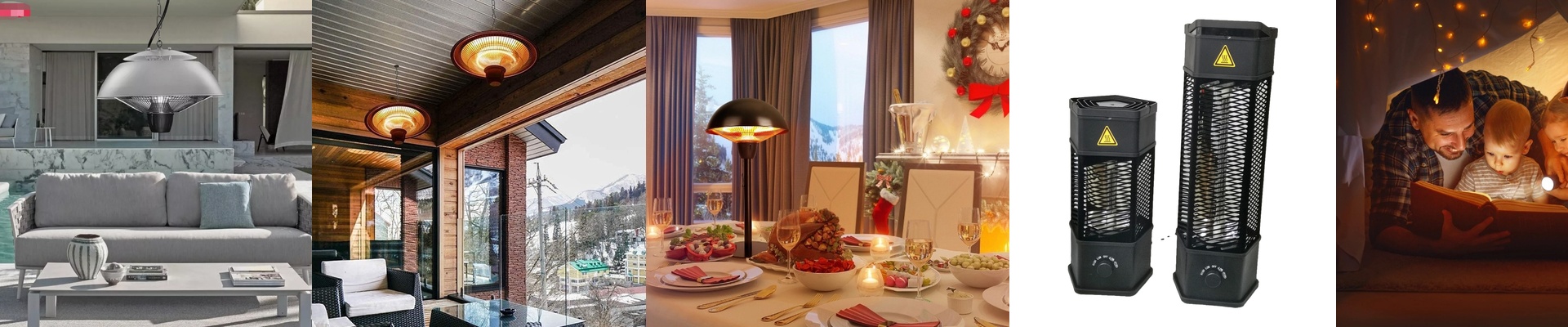
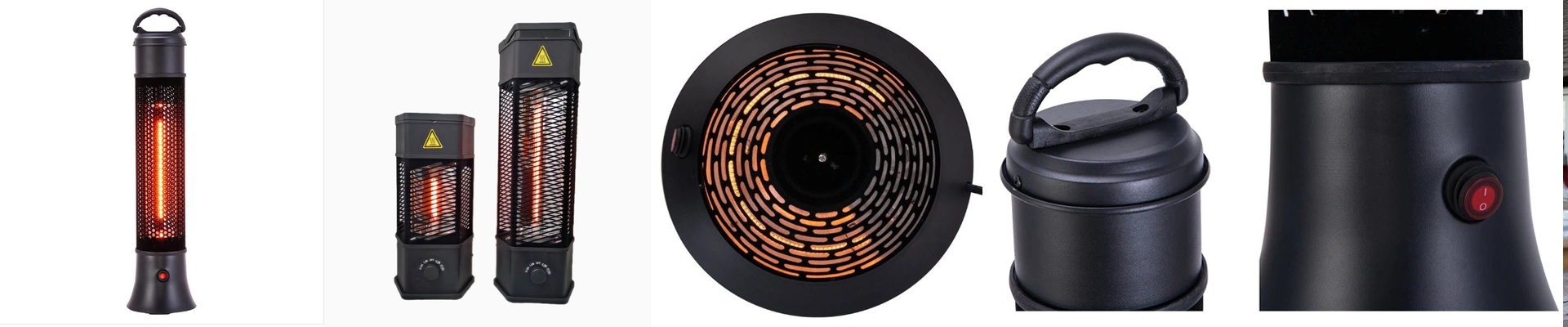
Most people think of those bathroom heat lamps as just a way to stop shivering while you get dressed. But we look at them differently. To us, they’re actually moisture-fighting tools. Instead of just warming up the air, we use shortwave infrared (IR) radiation. It sounds fancy, but here is the gist: it goes after the dampness hiding inside your walls and ceilings, not just the steam in the air.
Why your current heater might be failing you
Standard heaters warm the air. That sounds fine, but it often leads to a messy problem: condensation. When warm air hits a cold wall, it turns back into water. That’s exactly where mold loves to start its colony. Our IR heaters skip the air entirely. They send out waves that sink right into the surface of your walls. When those waves hit water molecules, they make them vibrate fast. That vibration creates heat, which pushes the moisture out of the wall and into the air. Once it’s out, your vent fan can actually do its job and pull it away. It’s a much more active way to keep things dry.
The trade-offs (and how to get it right)
We use high-wattage quartz elements because they hit hard and fast. You don’t have time to wait twenty minutes for a bathroom to warm up. You want it hot the second you flip the switch. But there is a catch. Because this heat is so intense, where you put the lamp matters. If you mount it too low, it’s going to feel like you’re standing too close to a campfire. Not a great vibe for a shower. We suggest putting them on the ceiling or high up on the wall. This lets the heat “throw” across the room and hit the wettest spots without roasting the person standing under it.
Keeping things actually clean
Mold loves stagnant, damp corners. It’s a nightmare to scrub off. The trick is to keep the wall surface warm enough that water can’t settle in the first place. We’ve found that using radiant heat to keep walls dry works way better than just hoping your exhaust fan can keep up. You aren’t just making the room cozy. You’re protecting the actual bones of your house.