

Stop Freezing in Your Own Bathroom
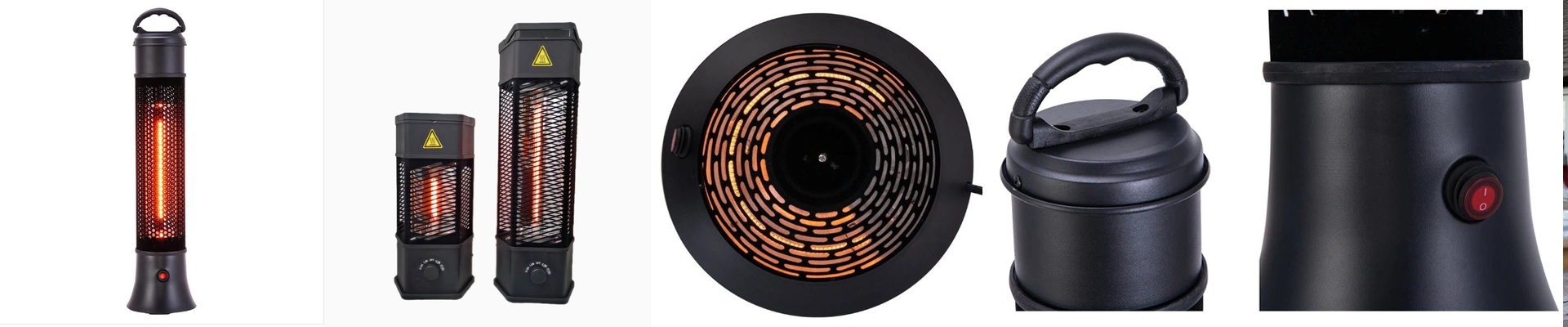
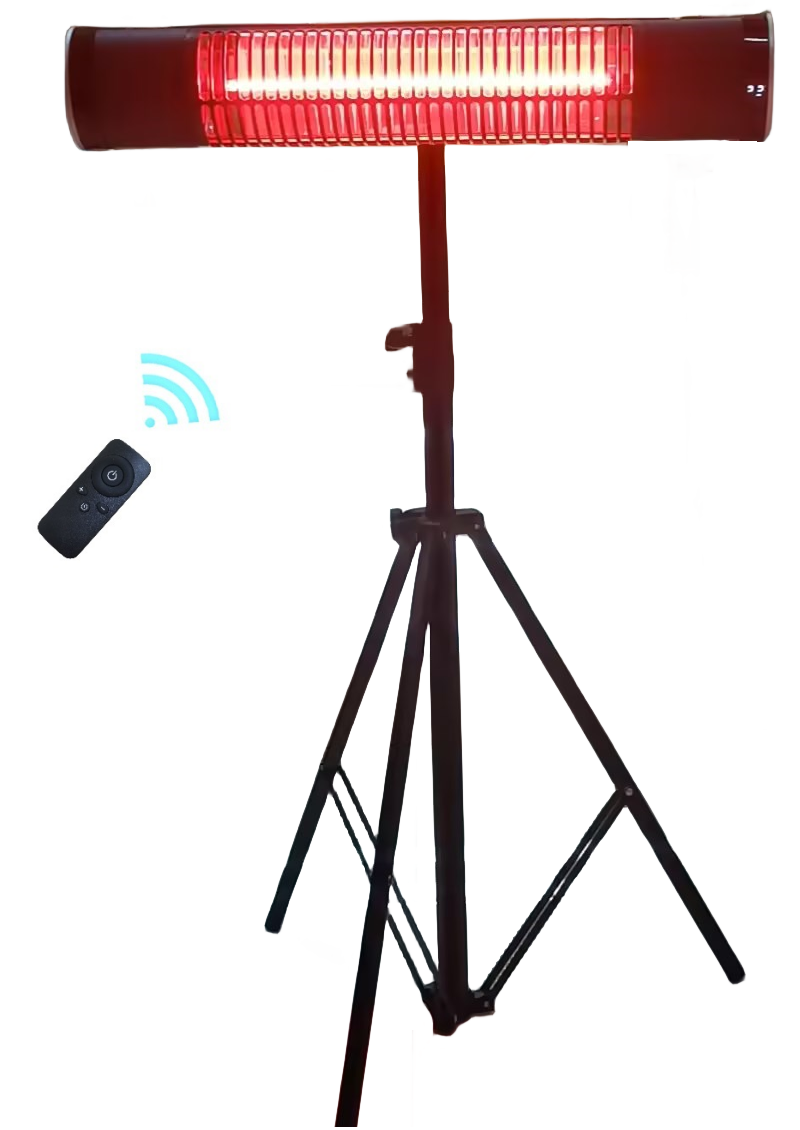
We’ve all been there. You step out of a hot shower into a bathroom that feels like a walk-in freezer. Most of us rely on those old-school heat lamps—the ones that look like big lightbulbs—but let’s be honest: they barely do anything. They’re usually leaky, they hate steam, and they just don’t cut it when it’s freezing outside. That’s why more people are switching to high-end waterproof infrared heaters. It’s a totally different way of staying warm. Why your current heater is failing you Here is the thing about those standard heaters: they try to warm up the air. But warm air is lazy—it floats straight to the ceiling. While your ceiling is nice and toasty, you’re still shivering on the bathmat. Infrared is different. Instead of fighting with the air, it sends out waves of heat that hit your skin directly. It feels like stepping into a patch of sunlight on a spring day. It’s instant. No waiting around for the room to “warm up.” The battle against steam Bathrooms are brutal on electronics. Steam gets everywhere. In cheap heaters, that moisture seeps into the sockets, causes corrosion, and—boom—your heater dies right in the middle of January. The good stuff uses sealed quartz tubes and proper IP-rated housings. Basically, it’s a fortress. It keeps the moisture out of the electrical guts, so the thing actually lasts more than a couple of winters. A quick word of caution These units pack a punch. Because the heat is so concentrated, placement is everything. If you mount the heater too low, it can feel a bit too intense—almost like you’re standing too close to a campfire. You want to find that sweet spot where it feels like a warm hug, not a heat lamp at a reptile zoo. Swapping them out If you’re renovating, putting these in is usually pretty straightforward. Most of the time, they just drop right into the old spot. But do me a favor: check your circuit breaker first. Infrared units can pull more power than those old lightbulbs did. You don’t want to find out your wiring is too thin by tripping the breaker while you’re half-dressed and dripping wet. Just make sure your wires can handle the wattage, and you’re good to go.