

Stop Just Replacing Your IR Lamps
Most shops treat infrared lamps like lightbulbs. One burns out, or a glass edge isn’t curing right, and the immediate reaction is to order another one with the same wattage and pop it in. We see it all the time. But here’s the thing: swapping a lamp without looking at why it failed is just a band-aid. You’re ignoring the actual problem.
Glass is Picky
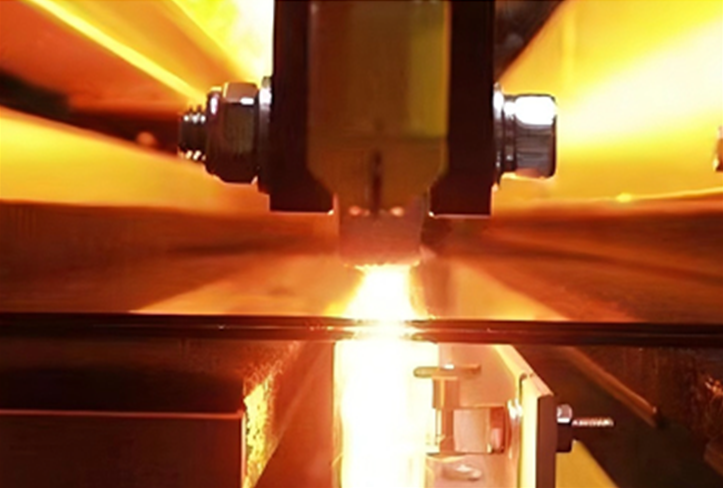
Glass doesn’t just “take” heat. Depending on how thick it is or what coating you’ve used, it absorbs infrared radiation differently. Shortwave IR goes deep. Medium-wave stays on the surface. If your lamps are tuned to the wrong wavelength, you’ll get those annoying cold spots right in the middle of the glass. The temptation is to just crank up the voltage to force the heat in. Don’t do that. All you’re doing is frying your filaments faster.
Why We Actually Come to Your Shop
A datasheet is great, but it doesn’t tell us how your specific conveyor speed is messing with the lamp’s footprint. That’s why we prefer to get our boots on your floor. When we’re there, we’re looking for a few specific things: First, thethermal gradient. Is the heat hitting the glass evenly, or are you getting weird spikes at the edges? Then, we check thereflectors. If they’re pitted or oxidized, you could be losing 20% of your heat. You can throw all the wattage you want at a bad reflector, and it still won’t work. And we check yourpower. In older factories, voltage fluctuates. Those spikes kill quartz tubes. We want to make sure your controllers are actually doing what they’re supposed to do.
The Danger of “More Power”
It sounds logical: more watts in a smaller tube equals faster throughput. But that puts a massive strain on your cooling. If your airflow is choked, the lamp stops heating the glass and starts heating your machine frame instead. It’s a balancing act. We help you find that sweet spot between wattage and cooling so you aren’t blowing your budget on replacement tubes every six months.