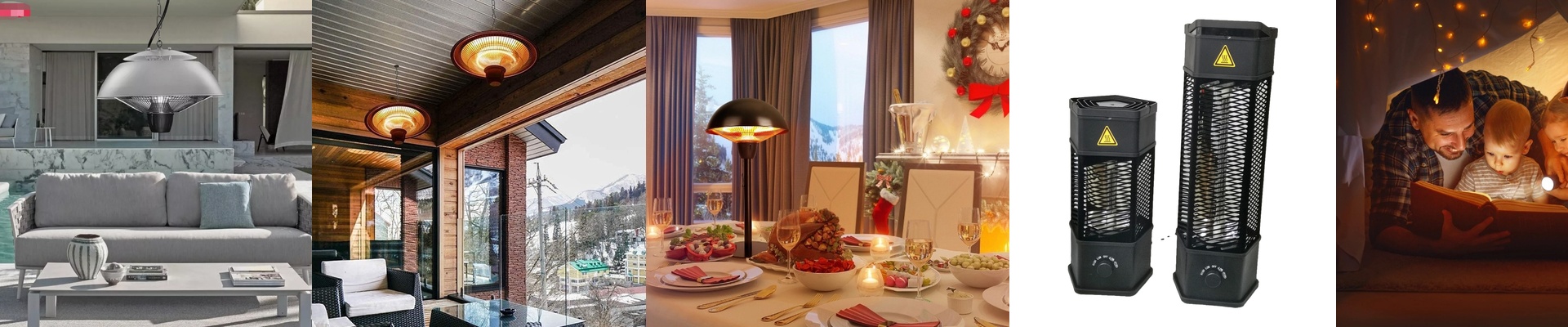
Getting Your Bathroom Warmth Just Right
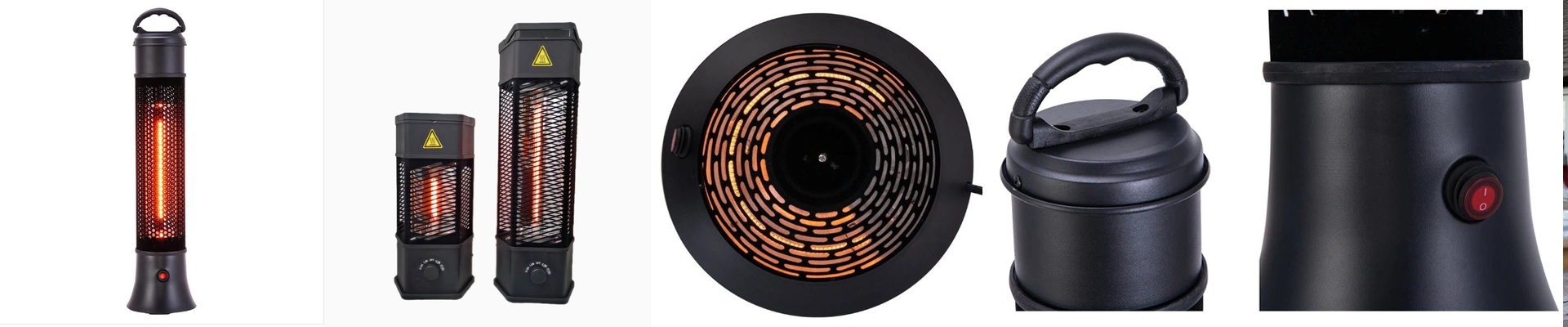
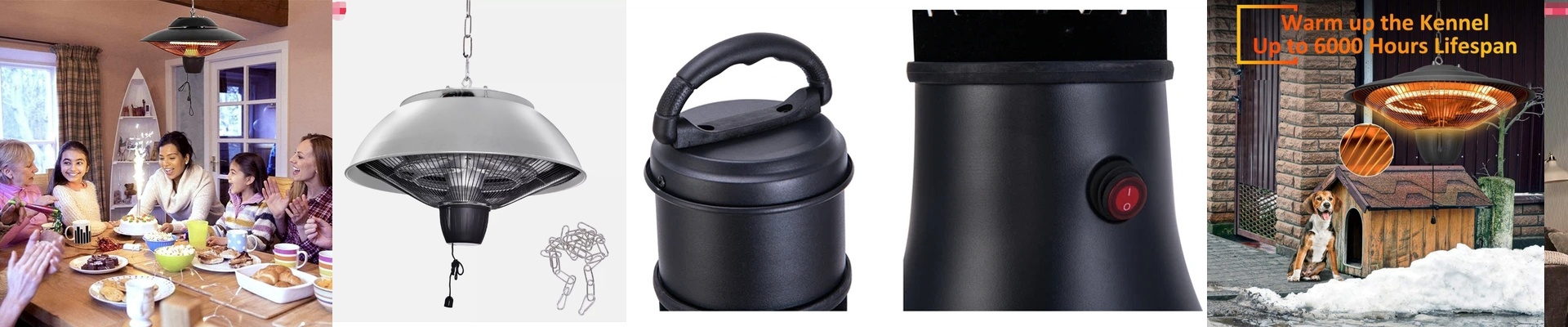
Nobody likes stepping out of a hot shower into a freezing bathroom. It’s a shock to the system. But if you’re installing infrared lamps to fix that, you can’t just guess the wattage. Get it wrong, and you’re either shivering or turning your bathroom into a sauna. Plus, since we’re dealing with water and electricity, you have to be smart about it. That’s why we use IP44-rated covers. It’s basically a fancy way of saying the lamps are sealed up so a few splashes won’t blow a fuse or, worse, give you a shock.
How much power do you actually need?
It really comes down to the size of your space. If you’ve got a tiny powder room (under 4m²), keep it simple. A single 250W to 400W short-wave lamp does the trick. Because the room is so small, the heat hits you almost instantly. You don’t need a powerhouse here. For a medium-sized bathroom (4m² to 8m²), you’re looking at 600W to 1000W. My advice? Split that between two lamps. It stops you from having one “hot spot” and one “cold spot,” making the whole room feel cozy. Then you have the big master baths (over 8m²). You’ll need 1200W or more. But here’s a heads-up:**check your circuit breaker.**If you’re living in an older home, cranking up high-wattage heaters can trip your panel if the wiring isn’t up to the task.
The trade-off with safety glass
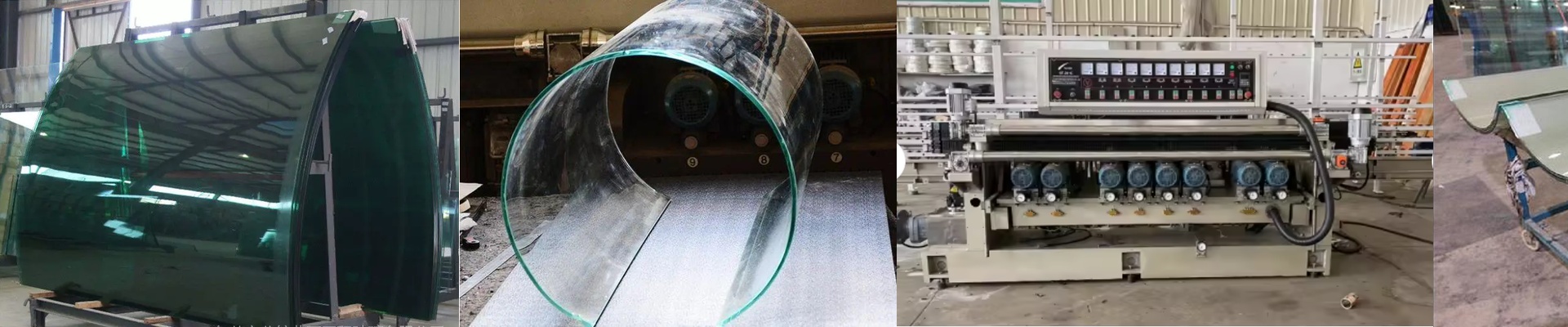
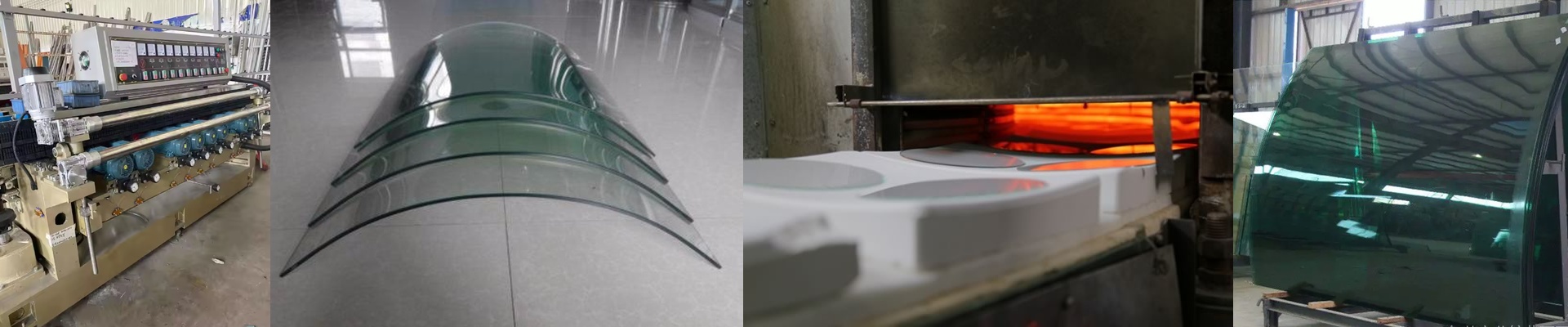
To keep those lamps safe from water, we seal them behind tempered glass or quartz shields. Now, here’s the catch. That glass protects the bulb, but it also blocks a tiny bit of the heat. You lose a little bit of that raw “punch” in exchange for not having to worry about water ingress. To fix this, we just bump up the wattage of the internal element a notch. You get the safety, but you still feel the heat.
Don’t leave it running
These things are powerful. Leaving a 1000W lamp on all day is just throwing money out the window. The best way to handle this is with a dedicated switch or a timer. Set it to kick in a few minutes before you jump in the shower. By the time you’re drying off, the room is already warm, and the timer shuts it off once the space has soaked up enough heat. Simple.