Why You Need Explosion-Proof Quartz Glass in Your Bathroom Heater
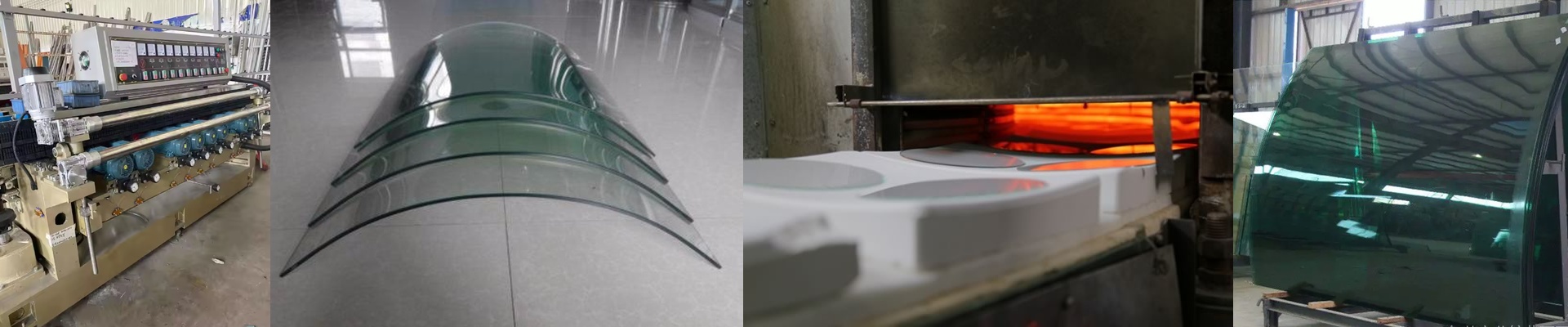
Let’s be honest: bathrooms are a nightmare for electronics. You’ve got steam everywhere, splashing water, and extreme temperature swings. When you put a recessed infrared heater in the ceiling, you aren’t just fighting the cold. You’re fighting physics. Imagine a heating element glowing at several hundred degrees. Now imagine a stray droplet of cold water hitting that surface. If you’re using the wrong glass, it doesn’t just crack—it shatters. Fast. The secret is in the quartz. Most glass panics when the temperature changes too quickly. It expands or shrinks violently and then snaps. But high-purity quartz glass is different. It stays chill. It doesn’t freak out when a cold mist hits a hot tube, which is why we call it “explosion-proof.” It’s the difference between a heater that lasts for years and one that turns into a dangerous mess the second you take a steamy shower. Keeping things safe (and your ceiling intact) We tuck these heaters into the ceiling to keep them out of the way and protect the wiring from all that moisture. But we don’t just hope for the best. Every unit has a thermal fuse. Think of it as a kill-switch. If the airflow gets blocked and things get too hot, the fuse pops. It shuts everything down before your ceiling even thinks about catching fire. A quick heads-up on the electrics Here is the part where people usually trip up. Those shortwave infrared lamps are amazing—they give you that instant “beach sun” feeling the moment you flip the switch. But they are power-hungry. You can’t just plug these into your existing light circuit and call it a day. If you do, you’ll probably be staring at a tripped breaker in your electrical panel. You need a dedicated line and solid grounding. Especially in a humid bathroom, you really don’t want the chassis becoming live. Get the wiring right, and you’ve got a warm, cozy bathroom. Skip it, and you’ve got a headache.