Making Infrared Heaters That Actually Survive Your Pergola
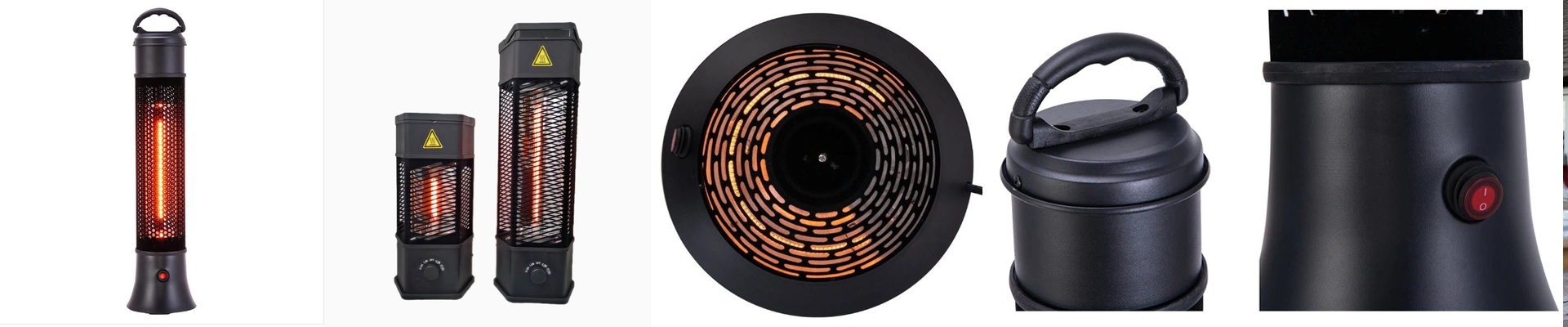
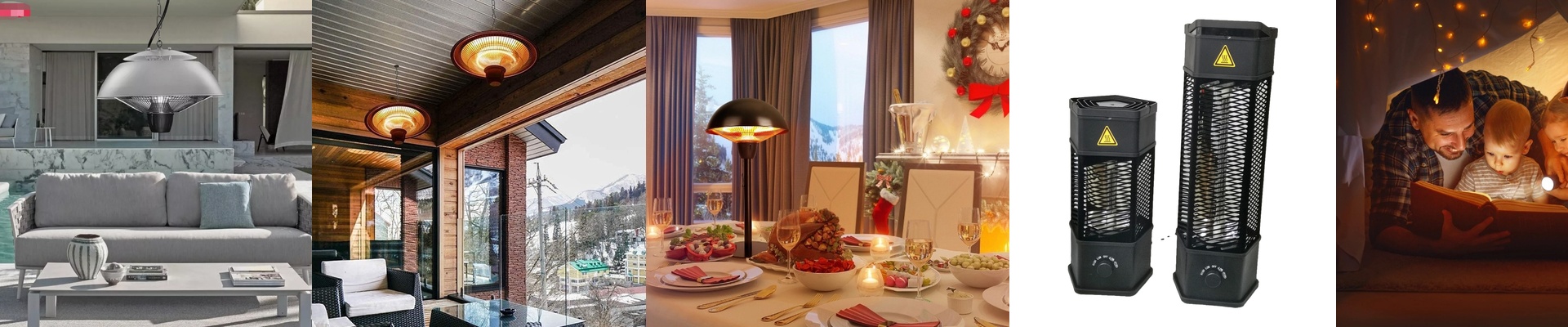
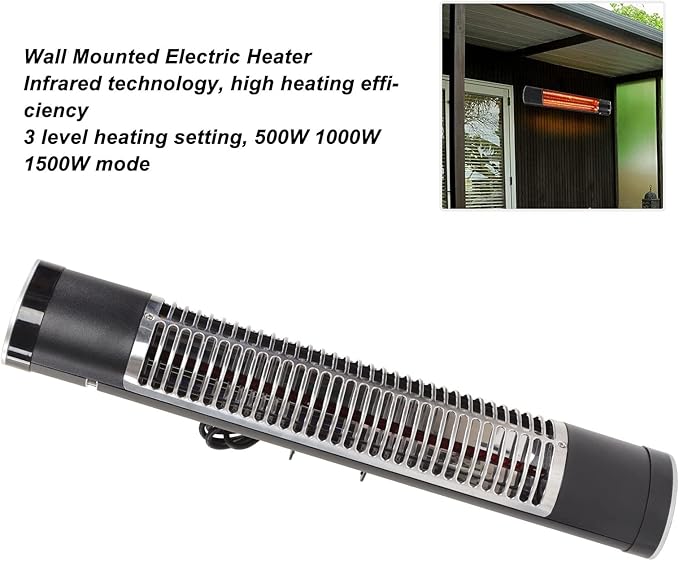
Let’s be honest: putting a heater in a pergola is basically like throwing a piece of electronics into a danger zone. Between the rain, the morning fog, and the occasional accidental splash, most heaters just don’t stand a chance. They usually end up shorting out or, even worse, the heating tubes shatter because they got too cold too fast. We’ve spent a lot of time figuring out how to stop that from happening. Dealing with the damp Water is the enemy here. And it’s not just about a heavy downpour. Think about that weird, heavy humidity or a thick fog rolling in. When your heater kicks on and off, those temperature swings create condensation inside the unit. To stop the circuitry from frying, we use a sealed chassis and heavy-duty gaskets. We’ve made sure the wiring entries are tight and waterproof. That way, whether you’re in the middle of a storm or just hosing down your patio, the guts of the machine stay dry. The “Shatter” Problem The heart of the heater is the infrared tube. Now, imagine a scorching hot tube getting hit by a sudden, ice-cold rain shower. In a cheap unit, that glass will shatter instantly. We fixed this by using specific coatings and adding housing guards. These shields keep the water from hitting the glass directly, but they don’t block the heat. You still get the warmth; the tube just doesn’t explode. A few things to keep in mind for the install Here is the catch: these aren’t “plug and play” lamps. You can’t just run an extension cord across the deck. Because these pull a lot of power, you’ll need a dedicated electrical run with weather-rated cabling and proper grounding. It’s a bit more work upfront, but it’s the only way to do it safely. Also, watch your height. If you mount them too low, the heat is so intense it can actually warp your pergola beams. We suggest keeping them at least 2.1 meters up. It spreads the heat better and keeps everything safe. Because we built these to be tanks, they are a bit heavier and the installation is a bit more rigid than an indoor heater. But that’s the trade-off for a heater that doesn’t quit the first time it rains.