Why we put our bathroom lamps through “the torture chamber”
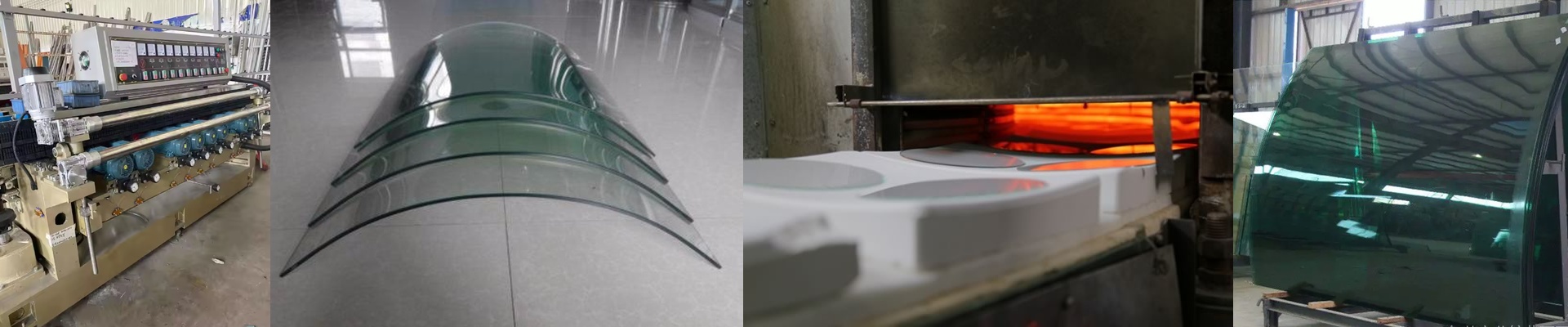
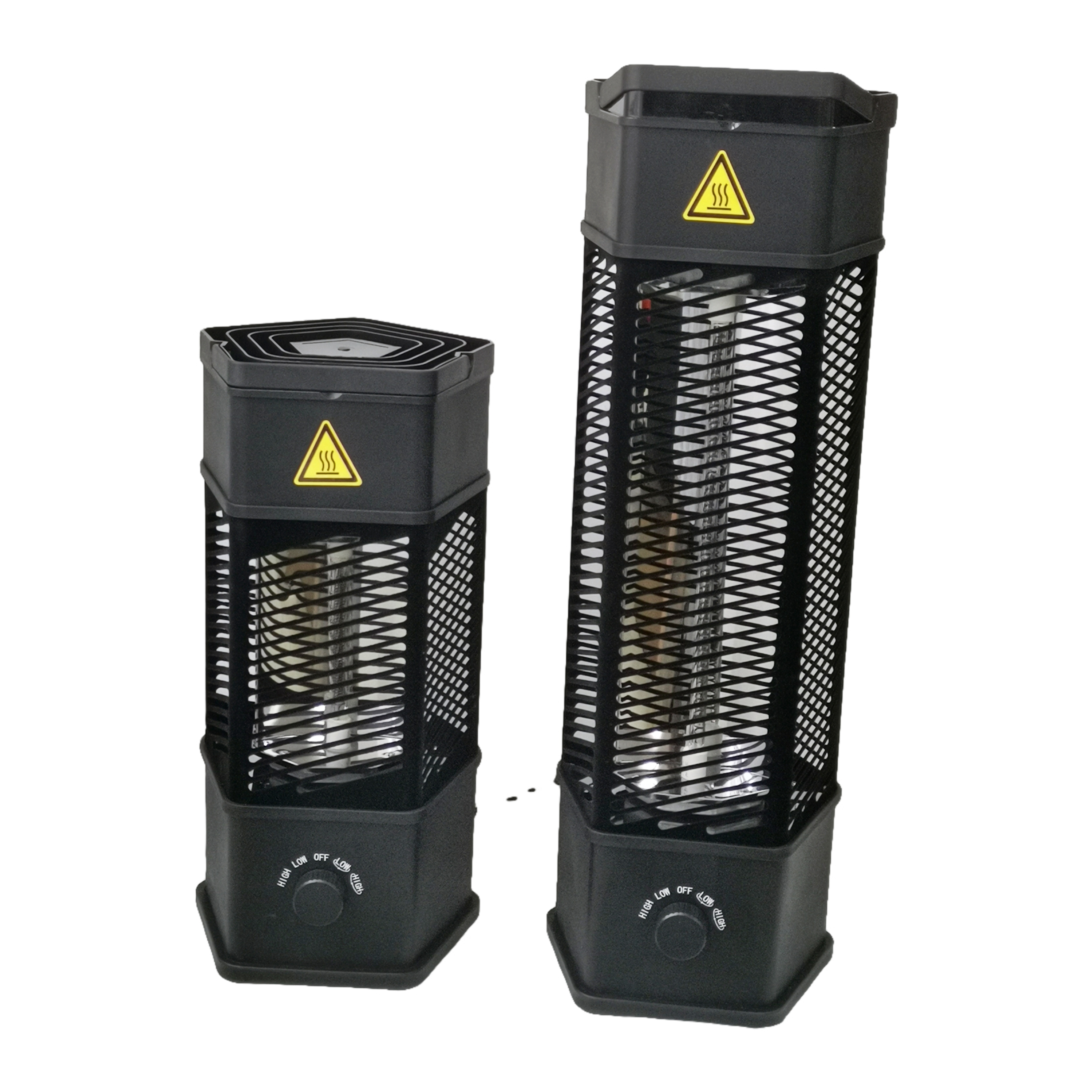
Let’s be honest: bathrooms are a nightmare for electronics. Between the thick steam, the constant humidity, and the random splashes of water, it’s basically a swamp in there. We could just put these lamps together and ship them out. But we don’t. Instead, we put every single batch through what we call damp-heat aging tests. Why? Because nobody wants a lamp that dies the second it hits a real-world shower room. The battle against steam Here is the thing about infrared lamps: they rely on quartz glass and some very precise electrical connections. Steam is sneaky. It finds the tiniest gap in the housing or a microscopic leak in the seal and just… crawls in. Once that moisture hits the electrodes, you’re looking at oxidation or a short circuit. To stop that, we toss the units into a high-humidity chamber and crank up the heat. It forces the moisture to push through the seals way faster than it would in your home. If it’s going to fail, we want it to fail in our lab, not in your bathroom. Checking the seals When we’re testing, we’re mostly hunting for two things: leaking current and materials that just give up. If a waterproof seal fails, electricity leaks. That might just trip your breaker, or it could be something much worse. We check the insulation resistance before and after the test. If that number drops, we know the seal is leaking. We’ve actually found that some adhesives look great at first but totally melt away after 48 hours in 95% humidity. That’s why we ditched them for industrial-grade silicone. It can take a beating. The balancing act Now, you might think, “Just seal the whole thing in plastic!” But there’s a catch. If we make the seal too tight, the heat gets trapped around the base of the lamp. The internal parts start to cook, and the lamp burns out way faster. It’s a tricky balance. We need it dry enough to be safe, but breathable enough so the wiring doesn’t melt. That’s exactly why we run these tests. We’re searching for that sweet spot where the lamp stays bone-dry but doesn’t overheat itself to death.