
Keeping Your Coop Warm Without the Headache
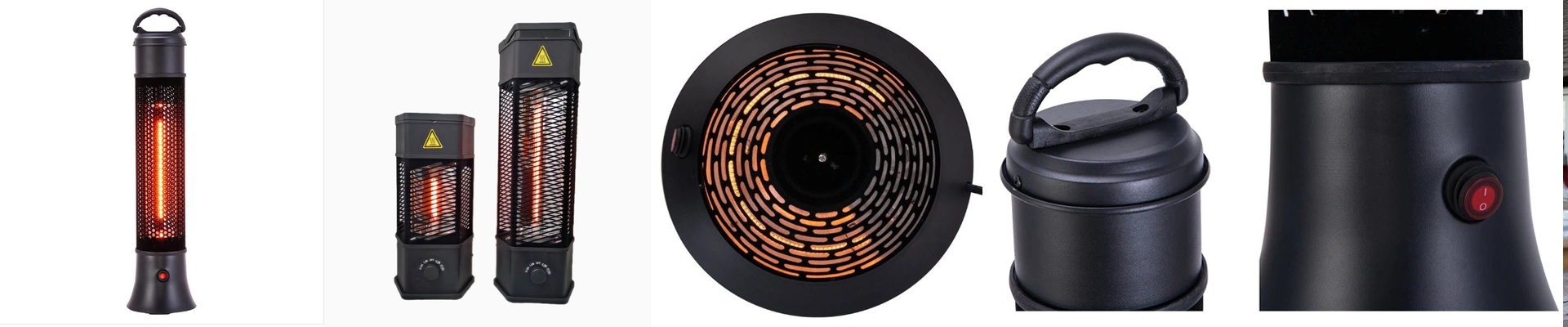
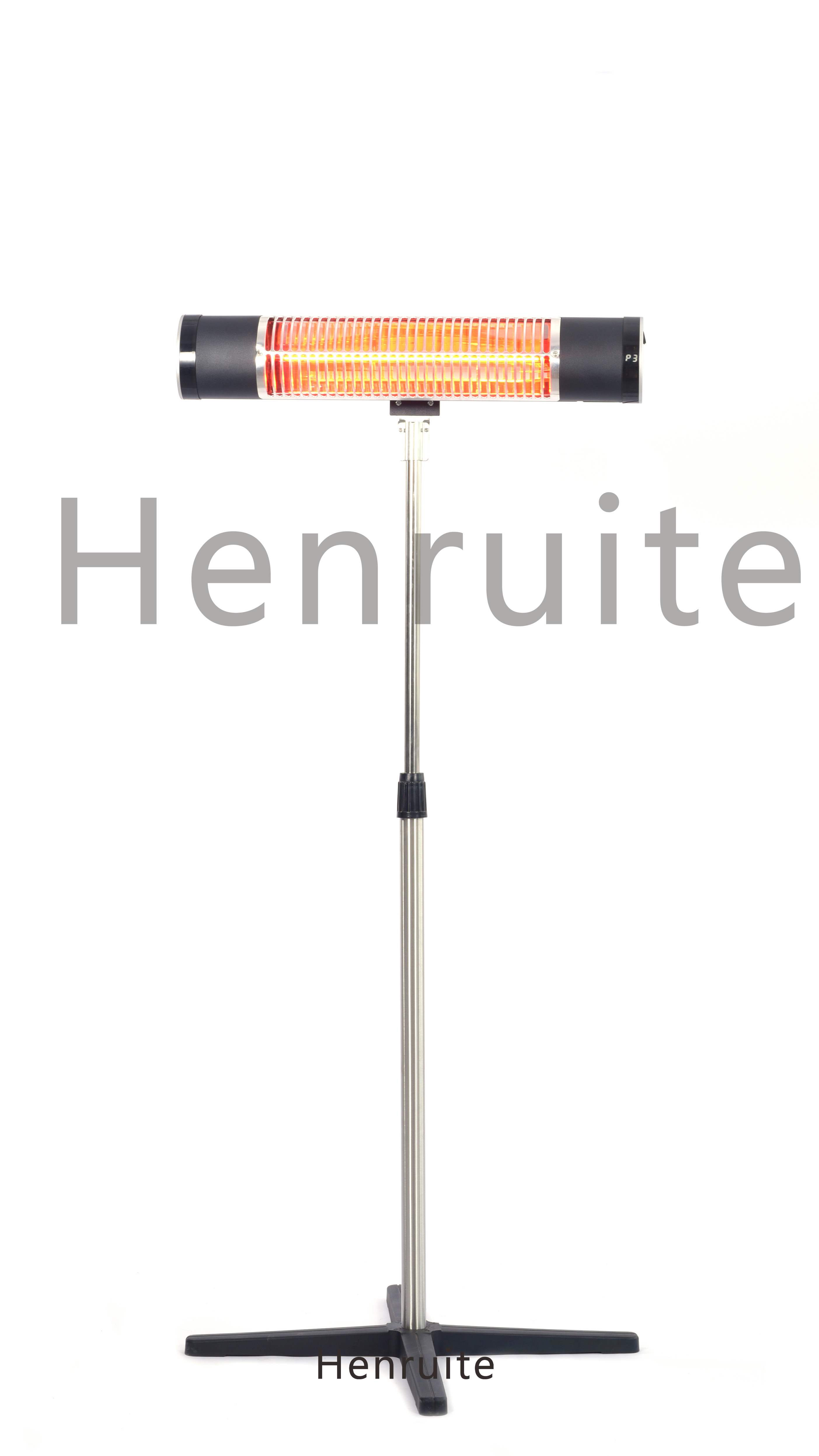
Let’s be honest: chicken coops are brutal on electronics. Between the humidity, the dust, and those nasty ammonia fumes, a standard electric heater usually doesn’t stand a chance. It’ll either short out or just rust away. That’s why we went with waterproof infrared heaters. Instead of trying to warm up all the air in the room—which is a losing battle in a drafty coop—these radiate heat directly onto the birds and the surfaces around them. **It’s fast. Really fast.**There’s no waiting around for a coil to warm up. You turn it on, and the heat is just there.
Making it “Smart” (So You Don’t Have To)
Nobody wants to trek out into a freezing, muddy yard just to flip a switch. It’s miserable. To fix that, we hook these heaters up to Wi-Fi or Zigbee relays. Basically, it lets your phone talk to the power supply. You can just hit a “Winter Mode” button in your app from your living room, and the heater kicks in. Because the heat is so instant, you aren’t wasting electricity on a constant, low-level simmer. You just hit the temperature you want, and you’re done.
Built for the Mess
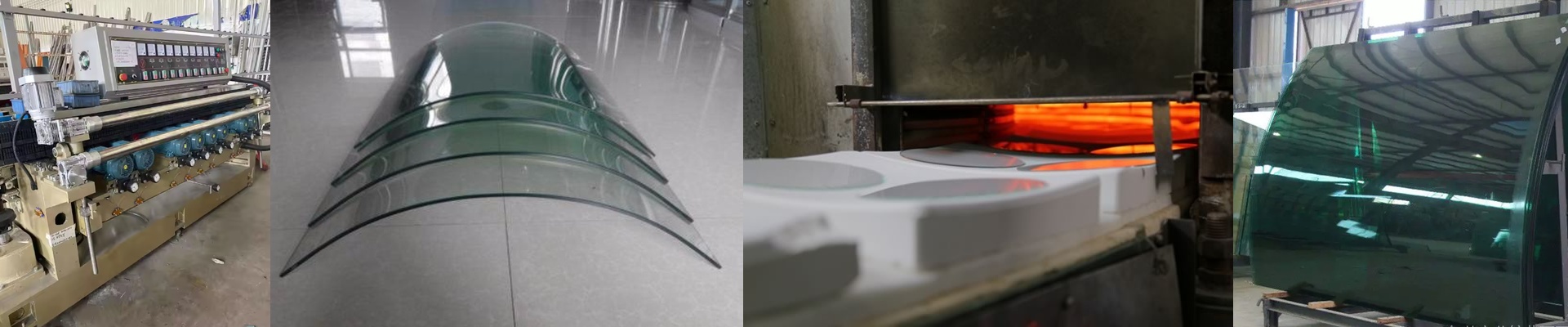
A coop is a tough place for gear. To keep things safe, we seal the heating element in quartz and wrap the whole thing in an IP65-rated waterproof casing. You need this kind of protection. If moisture or fumes get into the wiring, you’ve got a problem. We usually pair the setup with a digital thermostat, so the system knows exactly when to kill the power. It keeps the birds cozy without turning the coop into an oven.
A Word of Warning on the Wiring
Here is the part where people usually mess up:don’t use cheap smart plugs. These infrared lamps pull a lot of power. If you plug a few of them into a basic consumer-grade smart plug, you’re asking for trouble. You’ll likely trip your breaker or, worse, melt the plastic housing of the switch. Do yourself a favor and use heavy-duty relays that can actually handle the load. It’s a bit more work upfront, but it beats dealing with a melted socket in the middle of January.