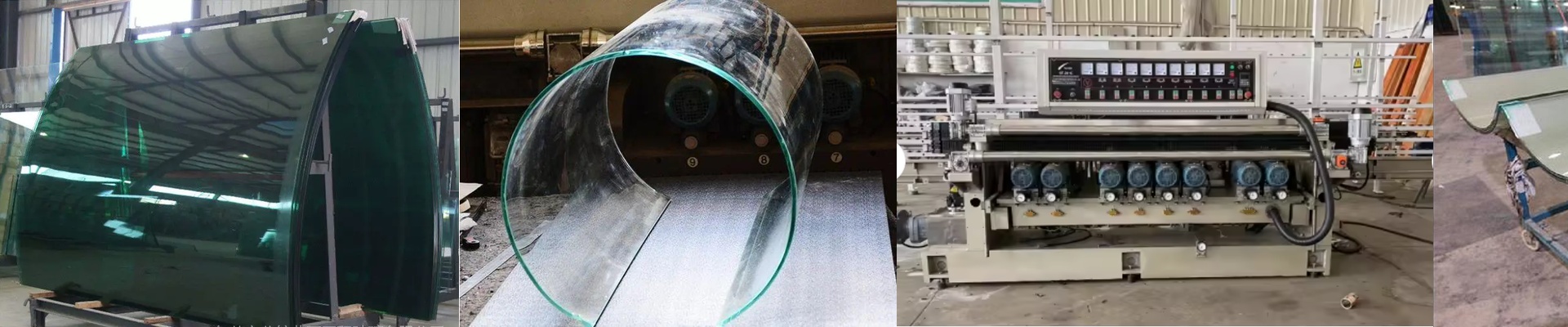
Why Shortwave IR is a Lifesaver for Glass Inspection
When you’ve got glass containers flying down a high-speed inspection line, you can’t just hit the brakes for heat treatment. It doesn’t work that way. That’s why we use fast-response infrared (IR) lamps for online annealing. They hit the target temperature in seconds. If you tried using a conventional oven, you’d just be creating a massive bottleneck in your workflow. Shortwave IR is different. It sinks right into the glass surface and puts the energy exactly where it needs to be. This means your conveyor keeps moving and your production doesn’t skip a beat.
Getting the Temperature Just Right
The goal here is to get rid of internal stresses so your glass doesn’t shatter. It’s a delicate balance. We set these lamps up for rapid cycling. Most heaters rely on convection—basically blowing hot air around—which takes forever. IR lamps use radiation. It’s instant. The second your sensors pick up a temperature drop, the lamps kick in. You get a very tight, consistent thermal window, which is the only way to make sure that glass doesn’t crack while it’s being inspected.
The Gear and How It Fits In
We usually build these systems with quartz halogen tubes. They’re tough. They can handle high watt densities and they don’t freak out when the factory floor starts vibrating. As for the voltage and wattage? That depends on how fast your belt is moving. If you want to crank up the speed, you’ll need higher wattage tubes. Just make sure your power supply can handle that first big surge of energy. We also use standard industrial connectors. Why? Because lamps eventually burn out. When that happens, your maintenance crew can just swap them out in a few minutes and get back to work.
The Trade-off: Dealing with the Heat
Here’s the thing: high-intensity IR creates a lot of ambient heat. You can’t just bolt the lamps in and walk away. You’ve got to be smart about your cooling fans and shielding. If you don’t, you’ll end up with warped lamp housings or fried control boards. Plus, you don’t want your operators feeling like they’re standing next to a blast furnace. It’s all about balance. Match your heat output with some solid airflow, and your line will stay stable.