
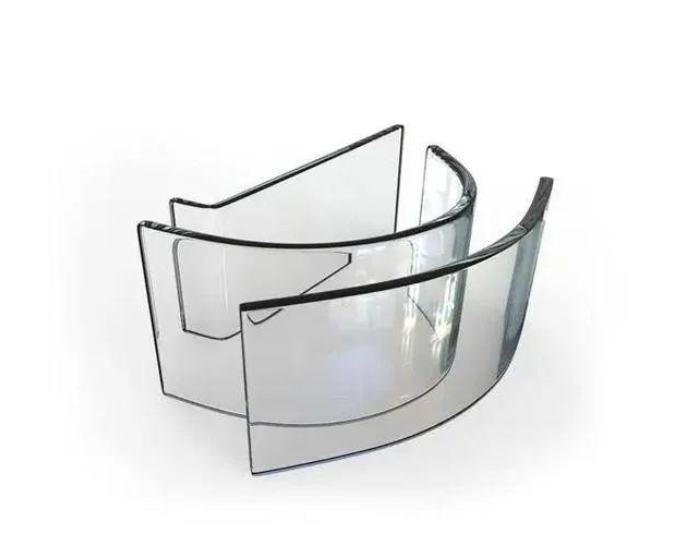
Getting IR Heat Right in Mobile Glass Repair
When you’re trying to cram high-performance infrared (IR) heaters into a mobile glass repair bracket, you’re basically fighting a war against space and power. You need enough heat to soften resins and fix surface flaws, but you’ve only got so much room to work with. It’s a tricky balance.
The power Struggle
Most mobile rigs don’t have a massive power supply to lean on. To get the glass hot enough without blowing a fuse, we go with short-wave IR elements. Here’s why: they push energy into a tight spectral band. Instead of wasting heat on the air around the glass, the energy goes straight into the surface. But there’s a catch. When you shrink the heater, the wattage density shoots up. If you aren’t careful with your wiring and connectors, you’ll see current spikes that can fry your terminals.Don’t skimp on the wires.
Making it Small (Without Losing the Heat)
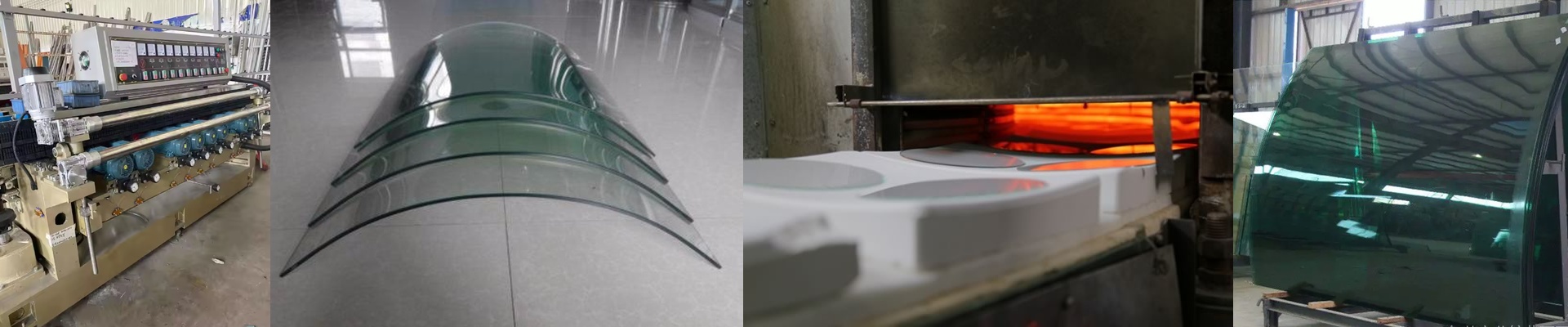
Space is the real enemy here. To keep things slim, we use low-profile quartz envelopes and connectors that don’t bulk up the assembly. By shortening the heating element, we can get the heat source closer to the glass. This stops the heat from just bleeding away into the atmosphere. We also use focused reflectors. Think of it like a magnifying glass for heat—it directs the energy exactly where the repair is happening. This means you can actually use a lower-wattage lamp but still hit those high surface temperatures you need.
The “Heat Soak” Problem
Here is the part that trips people up: when you put a high-density heater in a tiny box, everything gets hot. The IR element hits the target temperature fast, but the bracket housing starts soaking up all that leftover heat. If your control board is sitting right next to the heater, the components will start to drift or just plain fail. It’s a mess. To fix this, you need a physical thermal barrier or an offset bracket to keep the “brains” of the operation cool while the glass gets toasted. A little bit of forced-air cooling or a decent heat sink goes a long way here.