Fixing Those Pesky Cold Spots in Glass Annealing
If you’ve ever worked with glass containers that have weird shapes—deep curves, narrow necks, or tight recesses—you know the headache of “dead zones.” You put them in a standard convection oven, everything looks fine on the surface, but the heat just doesn’t reach those hidden spots. The result? Uneven stress. And we all know where that leads: a piece that looks perfect until it suddenly cracks or shatters. We’ve found a much better way to handle this. Instead of relying on hot air to do all the heavy lifting, we bring in targeted infrared (IR) heating lamps.
Getting the Heat Where It Actually Needs to Go
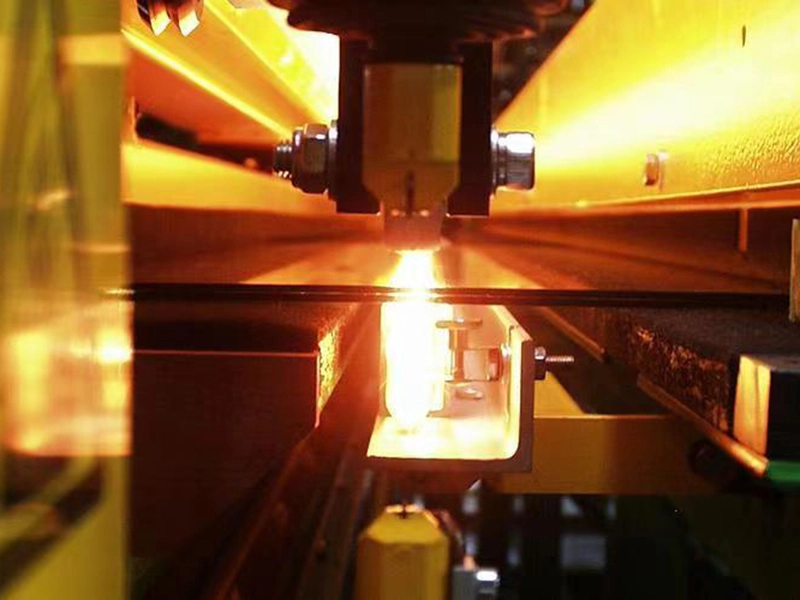
The trick to hitting every single surface is using short-wave radiation. Think of it this way: long-wave heat just sits on the surface. Short-wave IR actually soaks into the glass. But you can’t just throw a lamp in there and hope for the best. We set these lamps up in a multi-axis array. By bouncing the radiation off the reflective walls of the chamber, we create a sort of “heat wrap.” It fills in the gaps and hits the spots that air simply can’t reach. It’s a much more reliable way to make sure the whole piece is soaked in heat.
The Gear and the Setup
We usually go with high-wattage quartz halogen tubes. They can handle the heat without melting, which is pretty essential. One small detail that makes a huge difference? The connectors. Whether you use R7s or Sk15, you want something that lets you swap out a burnt-out lamp in seconds. Nobody wants their whole production line stalled because of one dead bulb. Now, you do have to be careful. If you blast a thin wall of glass with too much power, you’ll overheat it. It’s a balancing act. To get it just right, we use PWM controllers. It lets you dial the energy in precisely so you aren’t risking your work.
The Trade-off
Here’s the thing: adding all those high-density lamps creates a lot of heat inside your cabinet. If you cram too many lamps into a small space to kill those dead zones, you’re going to cook your own electronics. You can’t just add heat; you have to get rid of it, too. That means you’ll need to beef up your cooling fans and ventilation. If you don’t manage the exhaust, the whole system will eventually choke.