
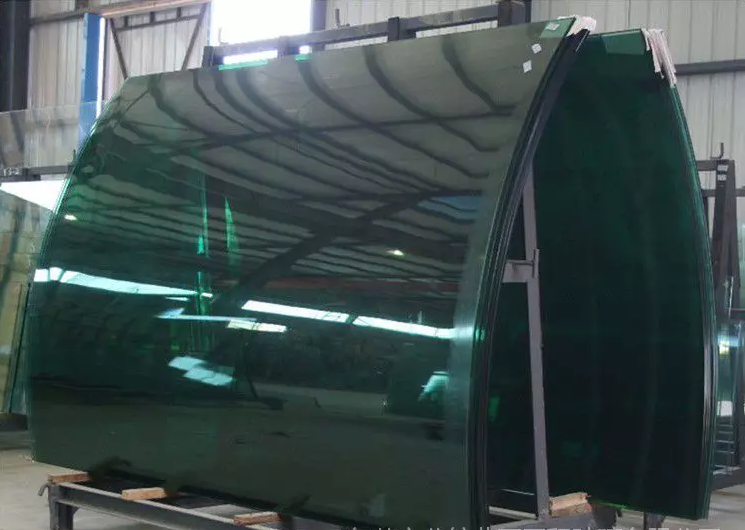
Stop the Chipping: Why We Preheat Glass with IR
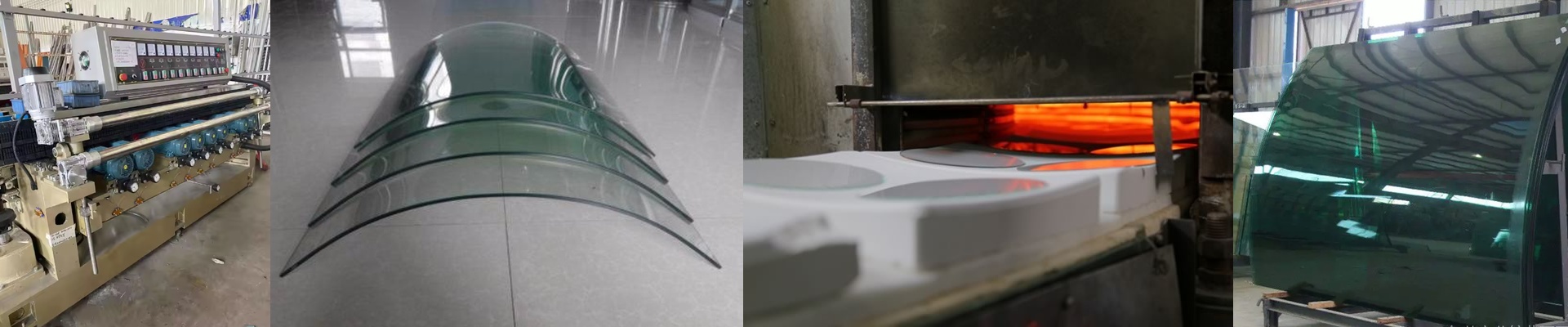
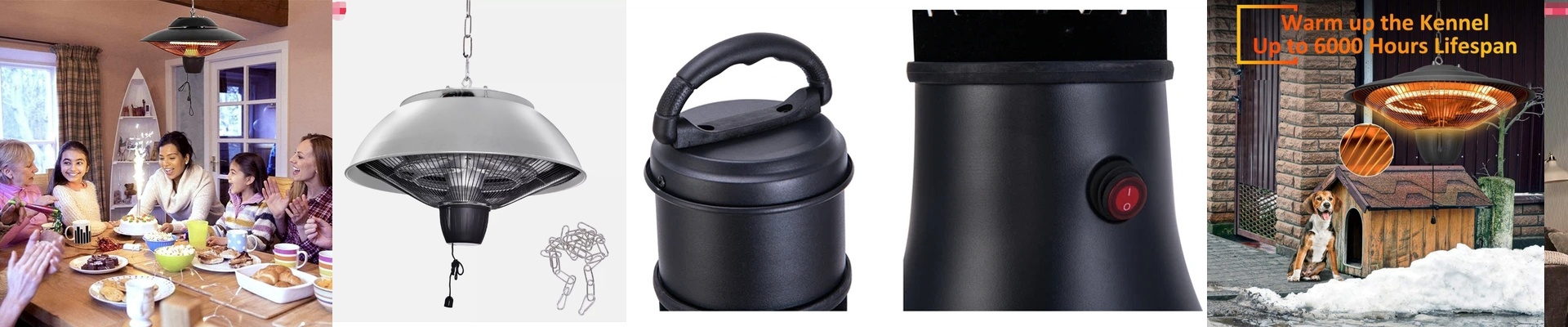
Glass is stubborn. If you try to score and break it while it’s cold, it doesn’t always play nice. You end up with “chipping”—those annoying, jagged little shards along the edge that make a clean cut look messy. We’ve found a way around this using infrared (IR) preheating. It basically changes how the glass behaves the moment it hits the cutting tool. What’s actually happening? Think of cold glass as being wound tight with internal tension. When you hit it with short-wave infrared heat right before the cutting head arrives, you’re essentially relaxing the surface. It softens the glass just a tiny bit. Not enough to melt it, obviously, but just enough so the cutting wheel can glide through and leave a crisp, controlled line. Instead of the glass snapping violently and taking chunks of the edge with it, the crack just follows the line. It’s a much smoother process. Why bother with IR lamps? We use IR lamps because they’re fast. They shoot energy straight into the glass molecules without wasting time heating up the air around them. If we used a convection oven, you’d be waiting forever. Your production would crawl to a halt. With IR, you get the glass up to temperature in a few seconds. It keeps the line moving. The balancing act Now, you can’t just blast the heat and hope for the best. If you go too hot, you’ll actually create new thermal stresses. That’s when the glass starts cracking on its own during the break, which is a nightmare. You have to find the sweet spot between your lamp wattage and how fast your conveyor is moving. Faster line? You’ll need more power to keep that surface temp steady. When you get the settings right, the difference is huge. You see way less chipping, which means you aren’t spending nearly as much time at the grinding and polishing wheels. Less grinding, less scrap on the floor, and a lot less frustration for everyone.