Why Fast-Response IR Lamps are the Secret to Smooth Glass Annealing
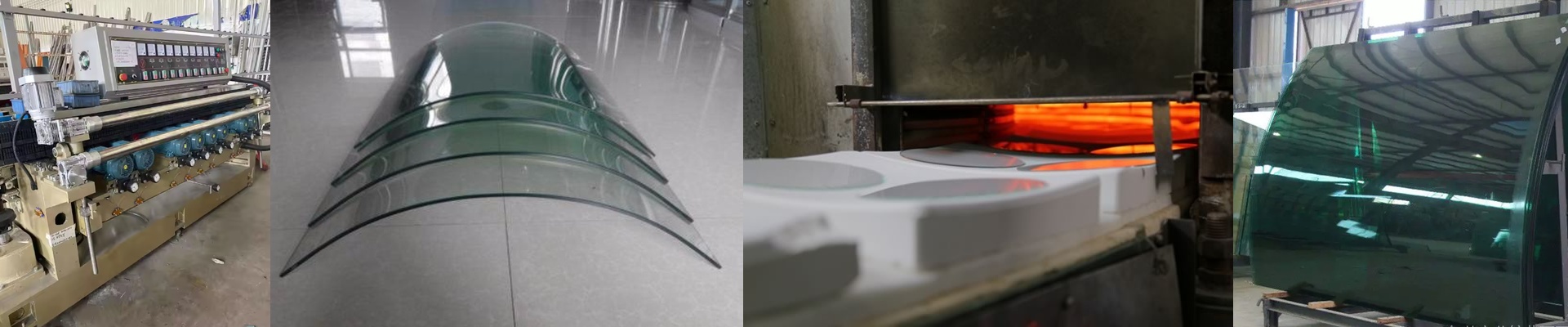
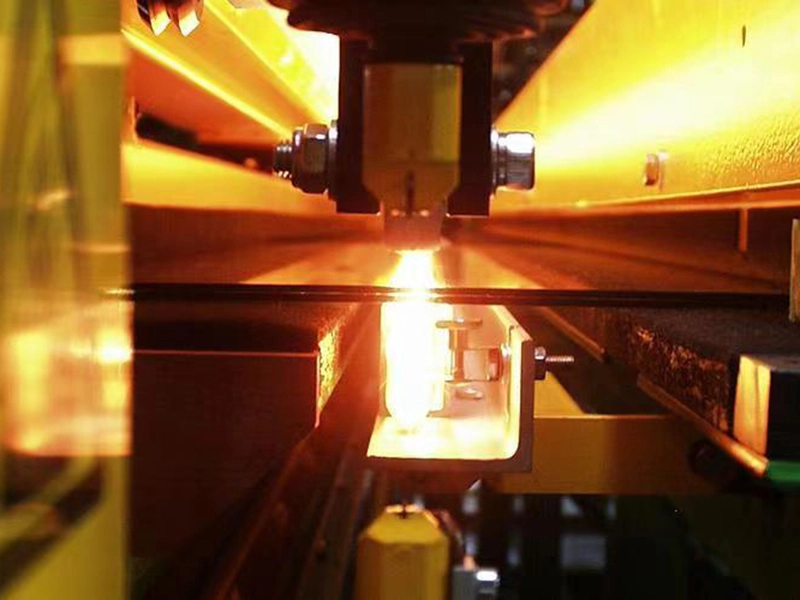
If you’ve ever worked with glass, you know the stress of it—literally. If you don’t get the temperature exactly right during annealing, you’re just waiting for the piece to crack. In a fast-moving production line, you can’t be messing around with old-school resistive ovens. They’re too slow. They have this annoying “thermal lag” where you’re waiting forever for the heat to catch up. That’s why we use fast-response infrared (IR) lamps. Instead of wasting time heating up all the air in the room, these lamps beam energy straight into the glass. It’s direct. It’s efficient. And it just works.
Speed is Everything
Traditional heaters take minutes to get where they need to be. IR lamps? They hit peak temp in seconds. This is huge because it lets you tweak your heat profile on the fly. Say you decide to change the thickness of the glass or speed up the conveyor belt. You don’t have to stop everything and pray the oven catches up. The IR system reacts instantly. No more “cold spots” and no more heartbreaking fractures in your finished product.
The Deal with Quartz Sleeves
We wrap the heating filaments in high-purity quartz glass sleeves. We do this because quartz can handle insane heat without breaking a sweat, and it lets the IR energy pass right through. You get the full punch of the heat exactly where you need it. But a word of warning:quartz is fragile. It loves the heat, but it hates being bumped. If you’re rough with it during installation or if your mounting brackets are slightly off, you’re asking for a crack. Just take your time and make sure everything is aligned.
Fitting it Into Your Line
Switching to IR means you can finally reclaim some floor space. You can ditch those massive, hulking ovens for targeted heating zones. The best part? You can wire each zone independently. This gives you a really fine level of control over the temperature as the glass moves along the line. Just keep an eye on your cooling. These high-wattage lamps put out a massive amount of heat. If your ventilation is lazy, that heat builds up and fries your electronics or kills the lamps early. Keep things breezy, and your gear will last a lot longer.