
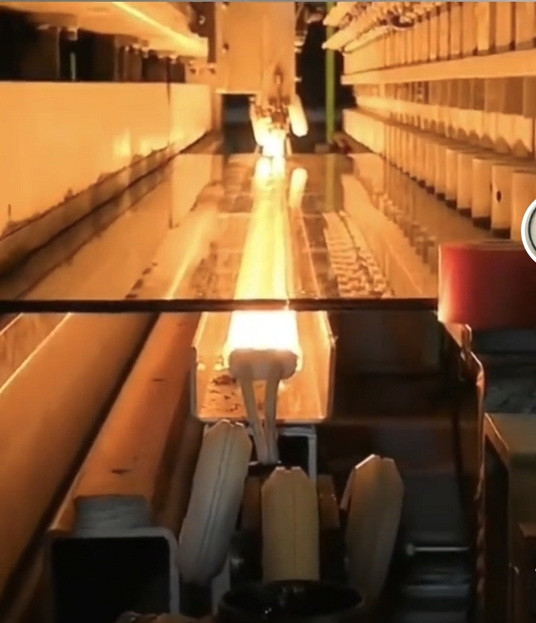
Getting High Heat Into a Tiny Space for Mobile Glass Repair
When you’re trying to fit an annealing lamp into a mobile repair bracket, you’re basically fighting a war between size and power. You can’t just lug around a giant industrial oven. You need something that hits that glass transition temperature fast, but without melting the very bracket holding the piece in place.
Packing the Heat
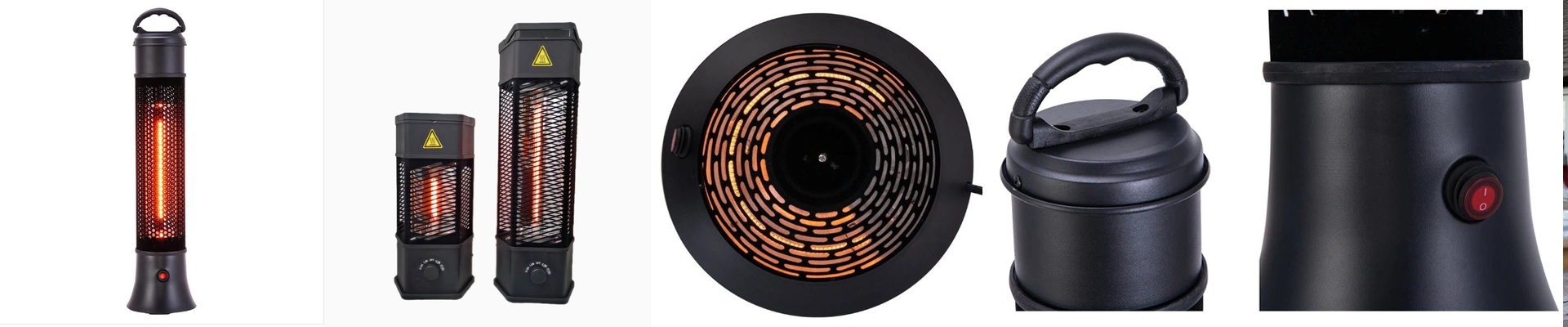
The secret is all in the IR emitter. We use short-wave quartz lamps because they let us cram a ton of heat into a tiny tube. The trick is focusing that radiation. You want the energy hitting the jewelry, not the support frame. If the heat wanders, you’ve got a problem. And keep an eye on your voltage. In a mobile rig, power can be flaky. If it dips, your annealing becomes uneven, and you’ll end up with internal stress in the glass. We keep the voltage stable so you aren’t burning through filaments every other week.
Heat Shields and Tough Materials
We use high-purity quartz for the envelopes because, frankly, anything else would just give up under the heat. Since this gear gets tossed around in mobile kits, we added reinforced end-caps. It keeps the lamp from shifting when you’re on the move. But here’s the thing: these lamps getscorching. If you don’t have a heat sink or a reflective shield, that IR energy will just soak into the bracket frame. Before you know it, your frame warps and your alignment is shot. You have to push the heat toward the work, away from the tools.
The Trade-offs
Going small means you lose the “buffer” of a big heating chamber. The heat ramps up fast. Really fast. But it cools down just as quickly. That’s why a precise PID controller is a must. Without it, you’ll overshoot your temperature and ruin the piece. Plus, make sure your cooling fan can actually handle the heat. If it can’t, the electronics in your unit are going to fry.